
ਉੱਚ-ਅੰਤ ਵਾਲੇ ਪਾਊਡਰ ਪ੍ਰੋਸੈਸਿੰਗ ਦੀ ਦੁਨੀਆ ਵਿੱਚ, ਅਤਿ-ਬਰੀਕ, ਉੱਚ-ਸ਼ੁੱਧਤਾ ਵਾਲੇ ਪਾਊਡਰ ਬਣਾਉਣ ਲਈ ਇੱਕ ਉਪਕਰਣ ਸੱਚਮੁੱਚ ਲਾਜ਼ਮੀ ਤੌਰ 'ਤੇ ਵੱਖਰਾ ਹੈ: ਜੈੱਟ ਮਿਲਿੰਗ ਮਸ਼ੀਨ. ਰਵਾਇਤੀ ਮਕੈਨੀਕਲ ਮਿੱਲਾਂ ਦੇ ਉਲਟ ਜੋ ਪੀਸਣ ਵਾਲੇ ਮੀਡੀਆ 'ਤੇ ਨਿਰਭਰ ਕਰਦੀਆਂ ਹਨ, ਜੈੱਟ ਮਿੱਲਾਂ ਕਣ-ਉੱਤੇ-ਕਣ ਪ੍ਰਭਾਵ ਨੂੰ ਪ੍ਰਾਪਤ ਕਰਨ ਲਈ ਉੱਚ-ਵੇਗ ਵਾਲੀਆਂ ਗੈਸ ਸਟ੍ਰੀਮਾਂ ਦੀ ਵਰਤੋਂ ਕਰਦੀਆਂ ਹਨ, ਜੋ ਕਿ ਉਪ-ਮਾਈਕ੍ਰੋਨ ਪੱਧਰਾਂ ਤੱਕ ਗੰਦਗੀ-ਮੁਕਤ ਮਾਈਕ੍ਰੋਨਾਈਜ਼ੇਸ਼ਨ ਪ੍ਰਦਾਨ ਕਰਦੀਆਂ ਹਨ। ਭਾਵੇਂ ਤੁਸੀਂ ਗਰਮੀ-ਸੰਵੇਦਨਸ਼ੀਲ ਕਿਰਿਆਸ਼ੀਲ ਫਾਰਮਾਸਿਊਟੀਕਲ ਸਮੱਗਰੀ, ਵਿਸਫੋਟਕ ਧਾਤੂ ਪਾਊਡਰ, ਜਾਂ ਉੱਚ-ਸ਼ੁੱਧਤਾ ਵਾਲੇ ਕੈਥੋਡ ਸਮੱਗਰੀ ਦੀ ਪ੍ਰਕਿਰਿਆ ਕਰ ਰਹੇ ਹੋ, ਜੈੱਟ ਮਿੱਲ ਸ਼ੁੱਧਤਾ ਕਣ ਆਕਾਰ ਘਟਾਉਣ ਲਈ ਜਾਣ-ਪਛਾਣ ਵਾਲਾ ਹੱਲ ਹੈ। ਇਸ ਵਿਆਪਕ ਗਾਈਡ ਵਿੱਚ, ਅਸੀਂ ਜੈੱਟ ਮਿੱਲਾਂ ਬਾਰੇ ਤੁਹਾਨੂੰ ਜਾਣਨ ਲਈ ਲੋੜੀਂਦੀ ਹਰ ਚੀਜ਼ ਨੂੰ ਤੋੜਦੇ ਹਾਂ। ਇਹ ਲੇਖ ਉਨ੍ਹਾਂ ਦੇ ਕੰਮ ਕਰਨ ਦੇ ਤਰੀਕੇ ਅਤੇ ਉਪਲਬਧ ਵੱਖ-ਵੱਖ ਕਿਸਮਾਂ, ਚੋਣ ਮਾਪਦੰਡਾਂ, ਆਮ ਸਮੱਸਿਆ-ਨਿਪਟਾਰਾ ਕਦਮਾਂ, ਅਤੇ ਰੱਖ-ਰਖਾਅ ਦੇ ਸਭ ਤੋਂ ਵਧੀਆ ਅਭਿਆਸਾਂ ਨੂੰ ਪੇਸ਼ ਕਰੇਗਾ।.
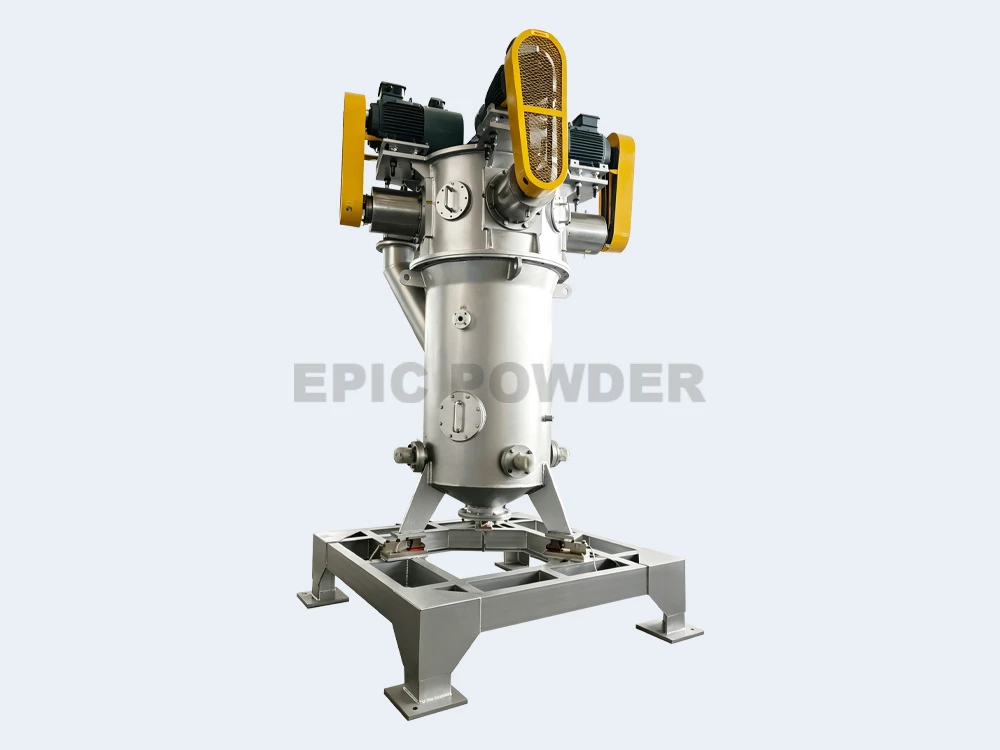
ਜੈੱਟ ਮਿਲਿੰਗ ਮਸ਼ੀਨ ਕੀ ਹੈ?
ਜੈੱਟ ਮਿਲਿੰਗ ਮਸ਼ੀਨ ਇੱਕ ਅਜਿਹਾ ਯੰਤਰ ਹੈ ਜੋ ਕਣਾਂ ਨੂੰ ਤੇਜ਼ ਕਰਨ ਅਤੇ ਉਹਨਾਂ ਨੂੰ ਇੱਕ ਦੂਜੇ ਨਾਲ ਟਕਰਾਉਣ ਲਈ ਉੱਚ-ਦਬਾਅ, ਸੁਪਰਸੋਨਿਕ ਗੈਸ ਸਟ੍ਰੀਮਾਂ ਦੀ ਵਰਤੋਂ ਕਰਦਾ ਹੈ, ਜਿਸਦੇ ਨਤੀਜੇ ਵਜੋਂ ਕਣਾਂ ਦਾ ਆਕਾਰ ਘਟਦਾ ਹੈ। ਬਾਲ ਮਿੱਲਾਂ ਜਾਂ ਹੈਮਰ ਮਿੱਲਾਂ ਦੇ ਉਲਟ, ਜੈੱਟ ਮਿੱਲਾਂ ਬਿਨਾਂ ਕਿਸੇ ਪੀਸਣ ਵਾਲੇ ਮੀਡੀਆ ਦੇ ਕੰਮ ਕਰਦੀਆਂ ਹਨ - ਕਣ ਆਪਣੇ ਆਪ ਨੂੰ ਅੰਤਰ-ਕਣ ਪ੍ਰਭਾਵ, ਰਗੜ ਅਤੇ ਸ਼ੀਅਰ ਦੁਆਰਾ ਪੀਸਦੇ ਹਨ। ਮਿੱਲ ਵਿੱਚ ਇੱਕ ਏਕੀਕ੍ਰਿਤ ਹਾਈ-ਸਪੀਡ ਵਰਗੀਕਰਣ ਚੱਕਰ ਹੈ ਜੋ ਇੱਕੋ ਸਮੇਂ ਇੱਕ ਕਦਮ ਵਿੱਚ ਪੀਸਣ ਅਤੇ ਵਰਗੀਕਰਨ ਕਰਦਾ ਹੈ, ਇੱਕ ਤੰਗ ਕਣ ਆਕਾਰ ਵੰਡ ਅਤੇ ਅੰਤਮ ਬਾਰੀਕਤਾ 'ਤੇ ਸਹੀ ਨਿਯੰਤਰਣ ਦੇ ਨਾਲ ਪਾਊਡਰ ਪੈਦਾ ਕਰਦਾ ਹੈ।.
ਜੈੱਟ ਮਿੱਲਾਂ ਵੱਖ-ਵੱਖ ਪ੍ਰਕਿਰਿਆ ਗੈਸਾਂ ਨਾਲ ਕੰਮ ਕਰ ਸਕਦੀਆਂ ਹਨ - ਜਿਸ ਵਿੱਚ ਸੰਕੁਚਿਤ ਹਵਾ, ਨਾਈਟ੍ਰੋਜਨ, ਅਯੋਗ ਗੈਸਾਂ, ਜਾਂ ਠੰਢੀ ਹਵਾ ਸ਼ਾਮਲ ਹੈ - ਉਹਨਾਂ ਨੂੰ ਉੱਚ-ਸ਼ੁੱਧਤਾ ਵਾਲੀਆਂ ਸਮੱਗਰੀਆਂ (ਕੋਈ ਮੀਡੀਆ ਪ੍ਰਦੂਸ਼ਣ ਨਹੀਂ), ਗਰਮੀ-ਸੰਵੇਦਨਸ਼ੀਲ ਉਤਪਾਦਾਂ (ਮਿਲਿੰਗ ਦੌਰਾਨ ਘੱਟ ਤਾਪਮਾਨ ਵਿੱਚ ਵਾਧਾ), ਆਕਸੀਕਰਨ-ਸੰਵੇਦਨਸ਼ੀਲ ਸਮੱਗਰੀ (ਅਯੋਗ ਗੈਸ ਸੰਚਾਲਨ), ਅਤੇ ਵਿਸਫੋਟਕ ਜਾਂ ਜਲਣਸ਼ੀਲ ਪਦਾਰਥਾਂ (ਬੰਦ-ਲੂਪ ਅਯੋਗ ਪ੍ਰਣਾਲੀਆਂ) ਲਈ ਆਦਰਸ਼ ਬਣਾਉਂਦੀਆਂ ਹਨ। ਗਲੋਬਲ ਜੈੱਟ ਮਿੱਲ ਬਾਜ਼ਾਰ ਦਾ ਮੁੱਲ ਸੀ 2025 ਵਿੱਚ 163.3 ਮਿਲੀਅਨ ਅਮਰੀਕੀ ਡਾਲਰ ਅਤੇ ਪਹੁੰਚਣ ਦਾ ਅਨੁਮਾਨ ਹੈ 2034 ਤੱਕ 217.5 ਮਿਲੀਅਨ ਅਮਰੀਕੀ ਡਾਲਰ, ਦੀ ਮਿਸ਼ਰਿਤ ਸਾਲਾਨਾ ਵਿਕਾਸ ਦਰ (CAGR) 'ਤੇ ਵਧ ਰਹੀ ਹੈ 3.14% 2026 ਤੋਂ 2034 ਤੱਕ। ਏਸ਼ੀਆ ਪੈਸੀਫਿਕ ਵਰਤਮਾਨ ਵਿੱਚ ਬਾਜ਼ਾਰ 'ਤੇ ਹਾਵੀ ਹੈ, ਇੱਕ 40.8% 2025 ਵਿੱਚ ਹਿੱਸਾ। ਇਕੱਲੇ ਤਰਲ ਬੈੱਡ ਜੈੱਟ ਮਿੱਲ ਹਿੱਸੇ ਲਈ ਜ਼ਿੰਮੇਵਾਰ ਹੋਣ ਦਾ ਅਨੁਮਾਨ ਹੈ 57.3% 2025 ਵਿੱਚ ਮਾਰਕੀਟ ਮਾਲੀਆ ਦਾ, ਵਿਆਪਕ ਤਰਲ ਪਦਾਰਥਾਂ ਦੇ ਉਲਟ-ਏਅਰ ਜੈੱਟ ਮਿੱਲ ਮਾਰਕੀਟ ਦੇ ਵਧਣ ਦੀ ਉਮੀਦ ਹੈ 2025 ਵਿੱਚ 846.3 ਮਿਲੀਅਨ ਅਮਰੀਕੀ ਡਾਲਰ ਤੋਂ 2035 ਤੱਕ 1.5 ਬਿਲੀਅਨ ਅਮਰੀਕੀ ਡਾਲਰ ਦੇ CAGR 'ਤੇ 5.9%.
ਜੈੱਟ ਮਿਲਿੰਗ ਮਸ਼ੀਨ ਕਿਵੇਂ ਕੰਮ ਕਰਦੀ ਹੈ?
ਜੈੱਟ ਮਿੱਲ ਦੇ ਕੰਮ ਕਰਨ ਦੇ ਸਿਧਾਂਤ ਨੂੰ ਚਾਰ ਕ੍ਰਮਵਾਰ ਪੜਾਵਾਂ ਵਿੱਚ ਵੰਡਿਆ ਜਾ ਸਕਦਾ ਹੈ। ਪਹਿਲਾਂ, ਸੁੱਕੀ, ਫਿਲਟਰ ਕੀਤੀ ਸੰਕੁਚਿਤ ਗੈਸ ਨੂੰ ਤੇਜ਼ ਕੀਤਾ ਜਾਂਦਾ ਹੈ ਲਾਵਲ ਨੋਜ਼ਲ ਦੀ ਸੁਪਰਸੋਨਿਕ ਗਤੀ ਤੱਕ ਮੈਕ 1.5–2.0 ਜਾਂ ਵੱਧ, ਅਤੇ ਇਸ ਉੱਚ-ਵੇਗ ਵਾਲੀ ਗੈਸ ਧਾਰਾ ਨੂੰ ਸੀਲਬੰਦ ਪੀਸਣ ਵਾਲੇ ਚੈਂਬਰ ਵਿੱਚ ਟੀਕਾ ਲਗਾਇਆ ਜਾਂਦਾ ਹੈ। ਦੂਜਾ, ਸਮੱਗਰੀ ਨੂੰ ਇੱਕ ਪੇਚ ਫੀਡਰ ਰਾਹੀਂ ਪੀਸਣ ਵਾਲੇ ਜ਼ੋਨ ਵਿੱਚ ਖੁਆਇਆ ਜਾਂਦਾ ਹੈ; ਤੇਜ਼-ਰਫ਼ਤਾਰ ਵਾਲੀ ਗੈਸ ਧਾਰਾ ਕਣਾਂ ਨੂੰ ਤਰਲ ਬਣਾਉਂਦੀ ਹੈ, ਉਹਨਾਂ ਨੂੰ ਇੱਕ ਅਸ਼ਾਂਤ ਪ੍ਰਵਾਹ ਵਿੱਚ ਮੁਅੱਤਲ ਕਰਦੀ ਹੈ। ਕਣ ਉੱਚ ਵੇਗ 'ਤੇ ਇੱਕ ਦੂਜੇ ਨਾਲ ਟਕਰਾਉਂਦੇ ਹਨ - ਪ੍ਰਭਾਵਿਤ ਕਰਦੇ ਹਨ, ਕੱਟਦੇ ਹਨ, ਅਤੇ ਬਾਰੀਕ ਆਕਾਰਾਂ ਵਿੱਚ ਟੁੱਟਦੇ ਹਨ। ਇਹ ਪੂਰੀ ਤਰ੍ਹਾਂ ਕਣ-ਉੱਤੇ-ਕਣ ਪ੍ਰਭਾਵ, ਬਿਨਾਂ ਕਿਸੇ ਮੀਡੀਆ ਸੰਪਰਕ ਦੇ, ਪੀਸਣ ਦੀ ਪ੍ਰਕਿਰਿਆ ਤੋਂ ਹੀ ਧਾਤ ਦੀ ਗੰਦਗੀ ਨੂੰ ਖਤਮ ਕਰਦਾ ਹੈ।.
ਤੀਜਾ, ਗੈਸ ਸਟ੍ਰੀਮ ਜ਼ਮੀਨੀ ਕਣਾਂ ਨੂੰ ਵਰਗੀਕ੍ਰਿਤ ਜ਼ੋਨ ਵੱਲ ਉੱਪਰ ਵੱਲ ਲੈ ਜਾਂਦਾ ਹੈ, ਜਿੱਥੇ ਇੱਕ ਉੱਚ-ਗਤੀ ਵਾਲਾ ਘੁੰਮਦਾ ਵਰਗੀਕ੍ਰਿਤ ਚੱਕਰ ਮਜ਼ਬੂਤ ਸੈਂਟਰਿਫਿਊਗਲ ਬਲ ਪੈਦਾ ਕਰਦਾ ਹੈ। ਮੋਟੇ ਕਣਾਂ ਨੂੰ ਹੋਰ ਘਟਾਉਣ ਲਈ ਪੀਸਣ ਵਾਲੇ ਚੈਂਬਰ ਵਿੱਚ ਵਾਪਸ ਸੁੱਟ ਦਿੱਤਾ ਜਾਂਦਾ ਹੈ, ਜਦੋਂ ਕਿ ਆਕਾਰ ਦੇ ਨਿਰਧਾਰਨ ਨੂੰ ਪੂਰਾ ਕਰਨ ਵਾਲੇ ਬਰੀਕ ਕਣ ਲੰਘਦੇ ਹਨ ਅਤੇ ਸੰਗ੍ਰਹਿ ਪ੍ਰਣਾਲੀ ਵਿੱਚ ਲਿਜਾਏ ਜਾਂਦੇ ਹਨ। ਅੰਤ ਵਿੱਚ, ਯੋਗ ਬਰੀਕ ਪਾਊਡਰ ਇੱਕ ਵਿੱਚ ਦਾਖਲ ਹੁੰਦਾ ਹੈ ਚੱਕਰਵਾਤ ਵੱਖ ਕਰਨ ਵਾਲਾ ਅਤੇ ਇੱਕ ਪਲਸ ਜੈੱਟ ਬੈਗ ਫਿਲਟਰ ਇਕੱਠਾ ਕਰਨ ਲਈ, ਸਾਫ਼ ਐਗਜ਼ੌਸਟ ਗੈਸ ਡਿਸਚਾਰਜ ਦੇ ਨਾਲ ਅਤੇ ਪੂਰਾ ਸਿਸਟਮ ਨਕਾਰਾਤਮਕ ਦਬਾਅ ਹੇਠ ਬਿਨਾਂ ਧੂੜ ਲੀਕੇਜ ਦੇ ਕੰਮ ਕਰ ਰਿਹਾ ਹੈ।.
ਸਰਲ ਸ਼ਬਦਾਂ ਵਿੱਚ: ਉੱਚ-ਦਬਾਅ ਵਾਲੀ ਗੈਸ ਕਣਾਂ ਨੂੰ ਤੇਜ਼ ਕਰਦੀ ਹੈ → ਕਣ ਟਕਰਾਉਂਦੇ ਹਨ ਅਤੇ ਟੁੱਟਦੇ ਹਨ → ਵਰਗੀਕਰਣ ਸਕ੍ਰੀਨਾਂ ਆਪਣੇ ਆਪ → ਮੋਟੇ ਕਣਾਂ ਨੂੰ ਦੁਬਾਰਾ ਪੀਸਣ ਲਈ ਰੀਸਾਈਕਲ ਕੀਤਾ ਜਾਂਦਾ ਹੈ। ਸ਼ੁੱਧ ਅੰਤਰ-ਕਣ ਪ੍ਰਭਾਵ ਨਾਲ ਮੀਡੀਆ ਸੰਪਰਕ ਨਹੀਂ ਮਤਲਬ ਜ਼ੀਰੋ ਧਾਤੂ ਪ੍ਰਦੂਸ਼ਣ ਸ਼ੁਰੂ ਤੋਂ ਹੀ ਪੀਸਣ ਦੀ ਪ੍ਰਕਿਰਿਆ ਤੋਂ।.
ਜੈੱਟ ਮਿਲਿੰਗ ਮਸ਼ੀਨ ਵਰਗੀਕਰਨ
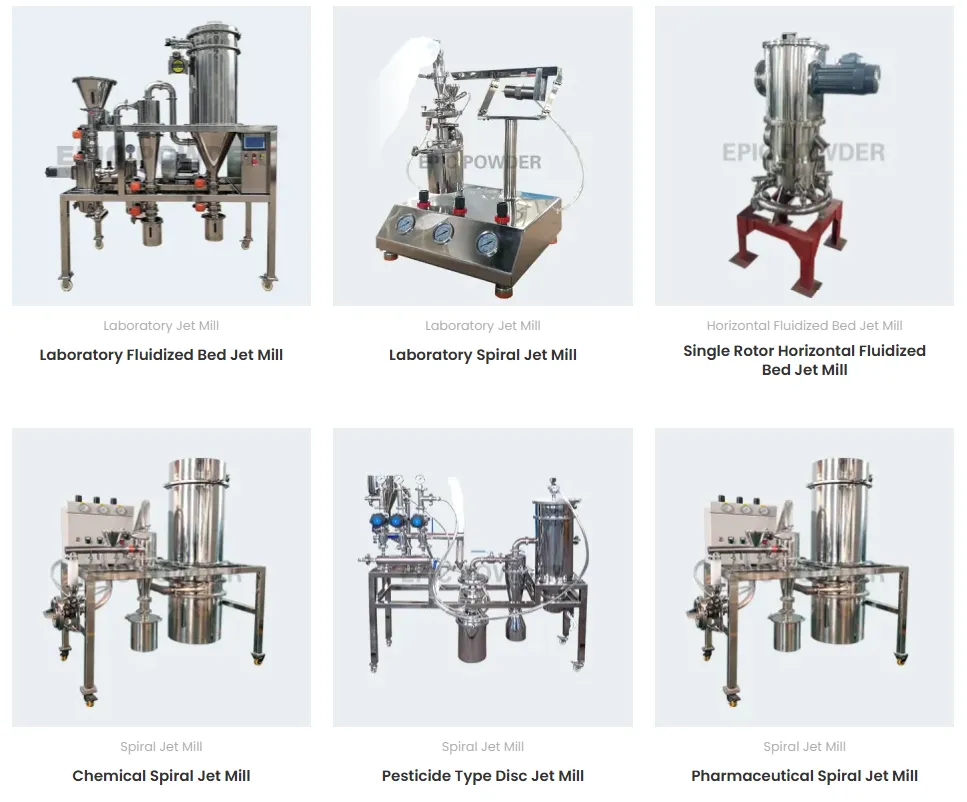
ਜੈੱਟ ਮਿੱਲਾਂ ਵੱਖ-ਵੱਖ ਸੰਰਚਨਾਵਾਂ ਵਿੱਚ ਆਉਂਦੀਆਂ ਹਨ, ਹਰ ਇੱਕ ਵੱਖ-ਵੱਖ ਸਮੱਗਰੀਆਂ ਅਤੇ ਐਪਲੀਕੇਸ਼ਨਾਂ ਲਈ ਢੁਕਵੀਂ ਹੁੰਦੀ ਹੈ। ਹੇਠ ਦਿੱਤੀ ਸਾਰਣੀ ਮੁੱਖ ਢਾਂਚਾਗਤ ਕਿਸਮਾਂ, ਉਹਨਾਂ ਦੇ ਆਮ ਐਪਲੀਕੇਸ਼ਨਾਂ, ਅਤੇ ਮੁੱਖ ਫਾਇਦਿਆਂ ਅਤੇ ਸੀਮਾਵਾਂ ਦਾ ਸਾਰ ਦਿੰਦੀ ਹੈ।.
| ਦੀ ਕਿਸਮ | ਸਮੱਗਰੀ ਲਈ ਸਭ ਤੋਂ ਵਧੀਆ | ਮੁੱਖ ਫਾਇਦੇ | ਸੀਮਾਵਾਂ |
|---|---|---|---|
| ਸਪਾਈਰਲ (ਫਲੈਟ/ਡਿਸਕ) ਜੈੱਟ ਮਿੱਲ | ਦਰਮਿਆਨੇ-ਸਖ਼ਤ ਖਣਿਜ, ਰਸਾਇਣਕ ਫਿਲਰ | ਇਕਸਾਰ ਕਣ ਆਕਾਰ ਵੰਡ; ਕਲਾਸਿਕ, ਸਾਬਤ ਡਿਜ਼ਾਈਨ | ਪ੍ਰਤੀ ਯੂਨਿਟ ਆਉਟਪੁੱਟ ਵਿੱਚ ਵੱਧ ਊਰਜਾ ਖਪਤ |
| ਤਰਲ ਬੈੱਡ ਜੈੱਟ ਮਿੱਲ | ਲਿਥੀਅਮ ਬੈਟਰੀਆਂ, ਦਵਾਈਆਂ, ਭੋਜਨ ਪਾਊਡਰ, ਵਧੀਆ ਰਸਾਇਣ | ਘੱਟ ਊਰਜਾ ਦੀ ਵਰਤੋਂ, ਘਟੀ ਹੋਈ ਘਿਸਾਈ, ਉੱਚ ਥਰੂਪੁੱਟ, ਘੱਟ ਰੱਖ-ਰਖਾਅ, ਸ਼ਾਨਦਾਰ PSD ਕੰਟਰੋਲ | ਉੱਚ ਸ਼ੁਰੂਆਤੀ ਨਿਵੇਸ਼ (ਸੰਚਾਲਨ ਬੱਚਤਾਂ ਦੁਆਰਾ ਆਫਸੈੱਟ) |
| ਲੂਪ (ਸਰਕੁਲੇਟਿੰਗ ਟਿਊਬ) ਜੈੱਟ ਮਿੱਲ | ਭੁਰਭੁਰਾ, ਘੱਟ-ਕਠੋਰਤਾ ਵਾਲੇ ਪਦਾਰਥ (ਜਿਵੇਂ ਕਿ, ਕੈਲਸ਼ੀਅਮ ਕਾਰਬੋਨੇਟ, ਟੈਲਕ) | ਨਰਮ ਸਮੱਗਰੀ ਲਈ ਚੰਗੀ ਇਕਸਾਰਤਾ; ਖਾਸ ਡਿਜ਼ਾਈਨਾਂ ਨਾਲ ਕੁਝ ਸਖ਼ਤ ਕਿਸਮਾਂ ਨੂੰ ਸੰਭਾਲ ਸਕਦਾ ਹੈ। | ਵੱਡਾ ਪੈਰਾਂ ਦਾ ਨਿਸ਼ਾਨ; ਕੁਝ ਖਾਸ ਕਠੋਰਤਾ ਸੀਮਾਵਾਂ ਤੱਕ ਸੀਮਿਤ |
| ਵਿਰੋਧੀ (ਵਿਰੋਧੀ) ਜੈੱਟ ਮਿੱਲ | ਛੋਟੇ ਬੈਚ ਦੇ, ਉੱਚ-ਸ਼ੁੱਧਤਾ ਵਾਲੇ ਉਤਪਾਦ (ਫਾਰਮਾ, ਫੂਡ ਐਡਿਟਿਵ) | ਕੋਈ ਮੀਡੀਆ ਜਾਂ ਕੰਧ ਪ੍ਰਦੂਸ਼ਣ ਨਹੀਂ; ਬਹੁਤ ਉੱਚ ਕੁਸ਼ਲਤਾ ਅਤੇ ਇਕਸਾਰਤਾ | ਗੁੰਝਲਦਾਰ ਬਣਤਰ, ਭਾਰੀ, ਉੱਚ ਊਰਜਾ ਖਪਤ |
| ਟਾਰਗੇਟ (ਪ੍ਰਭਾਵ) ਜੈੱਟ ਮਿੱਲ | ਗਰਮੀ-ਸੰਵੇਦਨਸ਼ੀਲ ਸਮੱਗਰੀ, ਦੁਰਲੱਭ-ਧਰਤੀ ਚੁੰਬਕ (ਮੋਹਸ 9 ਤੱਕ) | ਸਖ਼ਤ ਅਤੇ ਗਰਮੀ-ਸੰਵੇਦਨਸ਼ੀਲ ਫੀਡ ਲਈ ਢੁਕਵਾਂ | ਟਾਰਗੇਟ ਪਲੇਟ ਦਾ ਕਟੌਤੀ; ਉਤਪਾਦ ਦੂਸ਼ਿਤ ਹੋਣ ਦਾ ਜੋਖਮ; ਉੱਚ ਊਰਜਾ ਵਰਤੋਂ |
ਨਾਲ ਉਤਪਾਦਨ ਪੈਮਾਨਾ, ਪ੍ਰਯੋਗਸ਼ਾਲਾ-ਪੈਮਾਨੇ ਦੇ ਮਾਡਲ (50-300 ਲੀਟਰ ਬੈਚ) ਘੱਟੋ-ਘੱਟ ਸਮੱਗਰੀ ਦੇ ਨੁਕਸਾਨ ਦੇ ਨਾਲ ਖੋਜ ਅਤੇ ਵਿਕਾਸ ਅਤੇ ਨਮੂਨਾ ਵਿਕਾਸ ਲਈ ਆਦਰਸ਼ ਹਨ, ਜਦੋਂ ਕਿ ਉਦਯੋਗਿਕ ਉਤਪਾਦਨ ਮਾਡਲ ਵੱਡੇ ਪੈਮਾਨੇ ਦੇ ਨਿਰਮਾਣ ਲਈ ਦਸ ਕਿਲੋਗ੍ਰਾਮ ਤੋਂ ਲੈ ਕੇ ਕਈ ਟਨ ਪ੍ਰਤੀ ਘੰਟਾ ਤੱਕ ਹੁੰਦੇ ਹਨ। ਦੁਆਰਾ ਲਾਈਨਰ ਸਮੱਗਰੀ, ਸਟੇਨਲੈੱਸ ਸਟੀਲ ਆਮ-ਉਦੇਸ਼ ਹੈ; ਉੱਚ-ਸ਼ੁੱਧਤਾ, ਲੋਹੇ-ਮੁਕਤ ਐਪਲੀਕੇਸ਼ਨਾਂ ਲਈ ਸਿਰੇਮਿਕ ਦੀ ਲੋੜ ਹੁੰਦੀ ਹੈ; ਅਤੇ ਪੌਲੀਯੂਰੀਥੇਨ ਘ੍ਰਿਣਾਯੋਗ ਅਤੇ ਗੰਦਗੀ-ਸੰਵੇਦਨਸ਼ੀਲ ਪ੍ਰਕਿਰਿਆਵਾਂ ਦੀ ਸੇਵਾ ਕਰਦਾ ਹੈ। ਇੱਕ ਮਹੱਤਵਪੂਰਨ ਨਿਯਮ: ਫਾਰਮਾਸਿਊਟੀਕਲ, ਬੈਟਰੀ ਕੈਥੋਡ ਅਤੇ ਸ਼ਿੰਗਾਰ ਸਮੱਗਰੀ ਲਈ, ਪੂਰੇ ਸਿਰੇਮਿਕ ਲਾਈਨਰ ਲਾਜ਼ਮੀ ਹਨ ਧਾਤ ਦੀ ਗੰਦਗੀ ਨੂੰ ਖਤਮ ਕਰਨ ਲਈ।.
ਜੈੱਟ ਮਿੱਲ ਸਿਸਟਮ ਦੇ ਮੁੱਖ ਹਿੱਸੇ
ਇੱਕ ਸੰਪੂਰਨ ਜੈੱਟ ਮਿਲਿੰਗ ਸਿਸਟਮ ਵਿੱਚ ਕਈ ਮਹੱਤਵਪੂਰਨ ਹਿੱਸੇ ਹੁੰਦੇ ਹਨ, ਹਰ ਇੱਕ ਸਿੱਧੇ ਤੌਰ 'ਤੇ ਪਾਊਡਰ ਦੀ ਸ਼ੁੱਧਤਾ, ਥਰੂਪੁੱਟ, ਅਤੇ ਉਪਕਰਣਾਂ ਦੀ ਉਮਰ ਨੂੰ ਪ੍ਰਭਾਵਤ ਕਰਦਾ ਹੈ। ਹੇਠਾਂ ਦਿੱਤੀ ਸਾਰਣੀ ਮੁੱਖ ਹਿੱਸਿਆਂ ਅਤੇ ਉਨ੍ਹਾਂ ਦੇ ਕਾਰਜਾਂ ਦੀ ਸੂਚੀ ਦਿੰਦੀ ਹੈ।.
| ਕੰਪੋਨੈਂਟ | ਫੰਕਸ਼ਨ |
|---|---|
| ਪੀਸਣ ਵਾਲਾ ਚੈਂਬਰ | ਕਣਾਂ ਦੇ ਟਕਰਾਅ ਲਈ ਮੁੱਖ ਥਾਂ; ਬਦਲਣਯੋਗ ਪਹਿਨਣ-ਰੋਧਕ ਲਾਈਨਰ ਗੰਦਗੀ ਨੂੰ ਰੋਕਦੇ ਹਨ |
| ਲਾਵਲ ਸੁਪਰਸੋਨਿਕ ਨੋਜ਼ਲ | ਗੈਸ ਨੂੰ ਸੁਪਰਸੋਨਿਕ ਗਤੀ ਤੱਕ ਤੇਜ਼ ਕਰੋ; ਘਿਸਾਅ ਬਾਰੀਕੀ ਅਤੇ ਸਮਰੱਥਾ ਨੂੰ ਘਟਾਉਂਦਾ ਹੈ। |
| ਹਾਈ-ਸਪੀਡ ਕਲਾਸੀਫਾਇਰ ਵ੍ਹੀਲ | ਅੰਤਿਮ ਕਣ ਆਕਾਰ (D50/D97) ਨੂੰ ਕੰਟਰੋਲ ਕਰਦਾ ਹੈ; ਸਪੀਡ ਐਡਜਸਟਮੈਂਟ ਸਟੀਕ PSD ਟਿਊਨਿੰਗ ਨੂੰ ਸਮਰੱਥ ਬਣਾਉਂਦਾ ਹੈ। |
| ਪੇਚ ਫੀਡਿੰਗ ਸਿਸਟਮ | ਇੱਕਸਾਰ, ਨਿਯੰਤਰਿਤ ਦਰ 'ਤੇ ਸਮੱਗਰੀ ਪ੍ਰਦਾਨ ਕਰਦਾ ਹੈ; ਫੀਡ ਦਰ ਸਿੱਧੇ ਤੌਰ 'ਤੇ ਪੀਸਣ ਦੇ ਨਤੀਜਿਆਂ ਨੂੰ ਪ੍ਰਭਾਵਿਤ ਕਰਦੀ ਹੈ। |
| ਏਅਰ ਟ੍ਰੀਟਮੈਂਟ ਯੂਨਿਟ | ਕੰਪ੍ਰੈਸਰ, ਡ੍ਰਾਇਅਰ, ਅਤੇ ਸ਼ੁੱਧਤਾ ਫਿਲਟਰ ਸੁੱਕੇ, ਤੇਲ-ਮੁਕਤ, ਪਾਣੀ-ਮੁਕਤ ਗੈਸ ਨੂੰ ਯਕੀਨੀ ਬਣਾਉਂਦੇ ਹਨ। |
| ਸੰਗ੍ਰਹਿ ਪ੍ਰਣਾਲੀ | ਸਾਈਕਲੋਨ ਸੈਪਰੇਟਰ + ਪਲਸ ਬੈਗ ਫਿਲਟਰ ਤਿਆਰ ਪਾਊਡਰ ਇਕੱਠਾ ਕਰਦਾ ਹੈ ਅਤੇ ਅਤਿ-ਮਿਆਰੀ ਧੂੜ ਨੂੰ ਫੜਦਾ ਹੈ। |
| ਪੀਐਲਸੀ ਕੰਟਰੋਲ ਸਿਸਟਮ | ਦਬਾਅ, ਫੀਡ ਦਰ, ਵਰਗੀਕਰਣ ਦੀ ਗਤੀ, ਅਤੇ ਤਾਪਮਾਨ ਲਈ ਏਕੀਕ੍ਰਿਤ ਨਿਯੰਤਰਣ |
| ਬੰਦ-ਲੂਪ ਪਾਈਪਿੰਗ | ਨੈਗੇਟਿਵ-ਪ੍ਰੈਸ਼ਰ ਸੀਲਿੰਗ ਧੂੜ ਦੇ ਲੀਕ ਨੂੰ ਰੋਕਦੀ ਹੈ; ਅਯੋਗ ਮਾਡਲ ਗੈਸ ਰੀਸਾਈਕਲਿੰਗ ਨੂੰ ਸਮਰੱਥ ਬਣਾਉਂਦੇ ਹਨ |
ਜੈੱਟ ਮਿੱਲ ਚੋਣ: 6 ਮਹੱਤਵਪੂਰਨ ਕਾਰਕ
ਗਲਤ ਜੈੱਟ ਮਿੱਲ ਦੀ ਚੋਣ ਕਰਨ ਦੇ ਨਤੀਜੇ ਵਜੋਂ ਬਾਰੀਕੀ ਅਸਫਲਤਾ, ਘੱਟ ਥਰੂਪੁੱਟ, ਸਮੱਗਰੀ ਆਕਸੀਕਰਨ, ਜਾਂ ਤੇਜ਼ ਚੈਂਬਰ ਵਿਅਰ ਹੋ ਸਕਦਾ ਹੈ। ਇੱਕ ਸੂਚਿਤ ਫੈਸਲਾ ਲੈਣ ਲਈ, ਇਹਨਾਂ ਛੇ ਮਾਪਦੰਡਾਂ ਦੇ ਅਨੁਸਾਰ ਆਪਣੀ ਪ੍ਰਕਿਰਿਆ ਦਾ ਮੁਲਾਂਕਣ ਕਰੋ:
ਪਦਾਰਥਕ ਭੌਤਿਕ ਅਤੇ ਰਸਾਇਣਕ ਗੁਣ – ਗਰਮੀ-ਸੰਵੇਦਨਸ਼ੀਲ ਜਾਂ ਘੱਟ-ਪਿਘਲਣ ਵਾਲੀਆਂ ਫੀਡਾਂ ਲਈ ਕ੍ਰਾਇਓਜੈਨਿਕ ਮਿੱਲਾਂ ਦੀ ਲੋੜ ਹੁੰਦੀ ਹੈ; ਲਿਥੀਅਮ/ਧਾਤੂ ਪਾਊਡਰ ਅਯੋਗ ਗੈਸ ਸੁਰੱਖਿਆ ਦੀ ਮੰਗ ਕਰਦੇ ਹਨ; ਉੱਚ-ਸ਼ੁੱਧਤਾ ਵਾਲੇ ਉਤਪਾਦਾਂ ਨੂੰ ਸਿਰੇਮਿਕ ਲਾਈਨਰਾਂ ਦੀ ਲੋੜ ਹੁੰਦੀ ਹੈ; ਉੱਚ-ਕਠੋਰਤਾ ਵਾਲੇ ਘਸਾਉਣ ਵਾਲੇ ਸੂਟ ਲੂਪ ਜਾਂ ਟਾਰਗੇਟ ਕਿਸਮਾਂ।.
ਨਿਸ਼ਾਨਾ ਕਣ ਦਾ ਆਕਾਰ – ਆਮ ਸੂਖਮ ਪਾਊਡਰ ਸਪਾਈਰਲ ਮਿੱਲਾਂ ਦੀ ਵਰਤੋਂ ਕਰ ਸਕਦੇ ਹਨ; ਅਲਟਰਾ-ਫਾਈਨ, ਤੰਗ PSD, ਉੱਚ-ਥਰੂਪੁੱਟ ਨੌਕਰੀਆਂ ਲਈ ਤਰਲ ਬੈੱਡ ਮਿੱਲਾਂ ਦੀ ਲੋੜ ਹੁੰਦੀ ਹੈ; ਨੈਨੋ-ਸਕੇਲ ਪਾਊਡਰਾਂ ਨੂੰ ਬਹੁ-ਪੜਾਅ ਵਰਗੀਕਰਨ ਦੀ ਲੋੜ ਹੁੰਦੀ ਹੈ। ਜੈੱਟ ਮਿੱਲਾਂ ਆਮ ਤੌਰ 'ਤੇ ਤਿੱਖੇ PSD ਨਾਲ 1 µm ਤੋਂ 20 µm (ਜਾਂ 50+ µm ਤੱਕ) ਤੱਕ D50 ਪ੍ਰਾਪਤ ਕਰਦੀਆਂ ਹਨ।.
ਸ਼ੁੱਧਤਾ ਦੀਆਂ ਜ਼ਰੂਰਤਾਂ - ਲੋਹੇ ਅਤੇ ਭਾਰੀ ਧਾਤ-ਸੰਵੇਦਨਸ਼ੀਲ ਉਦਯੋਗਾਂ (ਫਾਰਮਾ, ਬੈਟਰੀ ਕੈਥੋਡ, ਸ਼ਿੰਗਾਰ ਸਮੱਗਰੀ) ਲਈ, ਸਿਰੇਮਿਕ ਜਾਂ ਪੌਲੀਯੂਰੀਥੇਨ ਆਇਰਨ-ਮੁਕਤ ਲਾਈਨਰ ਗੈਰ-ਸਮਝੌਤਾਯੋਗ ਹਨ।.
ਊਰਜਾ ਦੀ ਖਪਤ ਅਤੇ ਰੱਖ-ਰਖਾਅ ਦੇ ਖਰਚੇ - ਲੰਬੇ ਸਮੇਂ ਦੇ, ਉੱਚ-ਆਵਾਜ਼ ਵਾਲੇ ਉਤਪਾਦਨ ਲਈ, ਤਰਲ ਬੈੱਡ ਜੈੱਟ ਮਿੱਲਾਂ ਬਰਾਬਰ ਸਮਰੱਥਾ ਦੇ ਅਧੀਨ ਸਪਾਈਰਲ ਕਿਸਮਾਂ ਨਾਲੋਂ 30% ਘੱਟ ਊਰਜਾ ਦੀ ਖਪਤ ਕਰਦੀਆਂ ਹਨ, ਲੰਬੇ ਨੋਜ਼ਲ ਅਤੇ ਲਾਈਨਰ ਬਦਲਣ ਦੇ ਅੰਤਰਾਲਾਂ ਦੇ ਨਾਲ।.
ਪੂਰੀ-ਲਾਈਨ ਏਕੀਕਰਨ – ਉੱਪਰ ਵੱਲ ਸੁਕਾਉਣ (ਗਿੱਲੀ ਫੀਡ ਲਈ) ਅਤੇ ਡਾਊਨਸਟ੍ਰੀਮ ਸਕ੍ਰੀਨਿੰਗ, ਬਲੈਂਡਿੰਗ ਅਤੇ ਮਿਕਸਿੰਗ ਉਪਕਰਣਾਂ 'ਤੇ ਵਿਚਾਰ ਕਰੋ; ਅਯੋਗ ਗੈਸ ਪ੍ਰਣਾਲੀਆਂ ਲਈ, ਔਨਲਾਈਨ ਆਕਸੀਜਨ ਮਾਨੀਟਰ ਸਥਾਪਤ ਕਰੋ।.
ਆਮ ਜੈੱਟ ਮਿੱਲ ਸਮੱਸਿਆਵਾਂ ਅਤੇ ਉਨ੍ਹਾਂ ਦੇ ਹੱਲ
ਚੰਗੀ ਤਰ੍ਹਾਂ ਰੱਖ-ਰਖਾਅ ਵਾਲੀਆਂ ਜੈੱਟ ਮਿੱਲਾਂ ਨੂੰ ਵੀ ਸੰਚਾਲਨ ਸੰਬੰਧੀ ਸਮੱਸਿਆਵਾਂ ਦਾ ਸਾਹਮਣਾ ਕਰਨਾ ਪੈ ਸਕਦਾ ਹੈ। ਹੇਠ ਦਿੱਤੀ ਸਾਰਣੀ ਵਿੱਚ ਆਮ ਲੱਛਣਾਂ, ਮੂਲ ਕਾਰਨਾਂ ਅਤੇ ਵਿਹਾਰਕ ਉਪਾਵਾਂ ਦੀ ਰੂਪਰੇਖਾ ਦਿੱਤੀ ਗਈ ਹੈ।.
| ਲੱਛਣ | ਆਮ ਕਾਰਨ | ਹੱਲ |
|---|---|---|
| ਮੋਟੇ ਜਾਂ ਅਸੰਗਤ ਕਣਾਂ ਦਾ ਆਕਾਰ; ਘੱਟ ਬਰੀਕ ਉਪਜ | ਵਰਗੀਕਰਣ ਦੀ ਗਤੀ ਬਹੁਤ ਘੱਟ; ਨਾਕਾਫ਼ੀ ਪੀਸਣ ਦਾ ਦਬਾਅ; ਫੀਡ ਰੇਟ ਬਹੁਤ ਜ਼ਿਆਦਾ; ਘਿਸੀਆਂ ਹੋਈਆਂ ਨੋਜ਼ਲਾਂ | ਵਰਗੀਕਰਣ ਦੀ ਗਤੀ ਵਧਾਓ; ਕੰਪ੍ਰੈਸਰ ਦਬਾਅ ਦੀ ਜਾਂਚ ਕਰੋ; ਫੀਡ ਰੇਟ ਘਟਾਓ; ਨੋਜ਼ਲ ਬਦਲੋ |
| ਵਾਰ-ਵਾਰ ਨੋਜ਼ਲ/ਚੈਂਬਰ ਵਿੱਚ ਰੁਕਾਵਟਾਂ ਅਤੇ ਜਮ੍ਹਾ ਹੋਣਾ | ਸਮੱਗਰੀ ਦੀ ਜ਼ਿਆਦਾ ਨਮੀ; ਚਿਪਚਿਪਾ ਉਤਪਾਦ; ਨਮੀ ਵਾਲਾ ਵਾਤਾਵਰਣ; ਬੰਦ ਹੋਣ ਤੋਂ ਬਾਅਦ ਬਚੀ ਹੋਈ ਸਮੱਗਰੀ | ਫੀਡ ਨੂੰ ਪਹਿਲਾਂ ਤੋਂ ਸੁਕਾਓ; ਬੈਚ ਦਾ ਆਕਾਰ ਘਟਾਓ; ਵਾਤਾਵਰਣ ਵਿੱਚ ਸੁਧਾਰ ਕਰੋ; ਹਰੇਕ ਦੌੜ ਤੋਂ ਬਾਅਦ ਚੈਂਬਰ ਅਤੇ ਨੋਜ਼ਲਾਂ ਨੂੰ ਚੰਗੀ ਤਰ੍ਹਾਂ ਸਾਫ਼ ਕਰੋ। |
| ਫਿਲਟਰ ਆਊਟਲੇਟ ਤੋਂ ਧੂੜ ਦਾ ਨਿਕਾਸ | ਟੁੱਟੇ ਹੋਏ ਬੈਗ ਫਿਲਟਰ; ਫੇਲ੍ਹ ਹੋਈਆਂ ਸੀਲਾਂ; ਪਲਸ-ਸਫਾਈ ਸੋਲੇਨੋਇਡ ਖਰਾਬੀ | ਖਰਾਬ ਹੋਏ ਬੈਗਾਂ ਨੂੰ ਬਦਲੋ; ਹਾਊਸਿੰਗ ਸੀਲਾਂ ਨੂੰ ਮਜ਼ਬੂਤ ਕਰੋ; ਪਲਸ ਕੰਟਰੋਲਰ/ਸੋਲੇਨੋਇਡ ਦੀ ਮੁਰੰਮਤ ਕਰੋ |
| ਇੱਕੋ ਦਬਾਅ 'ਤੇ ਥਰੂਪੁੱਟ ਵਿੱਚ ਗਿਰਾਵਟ | ਨੋਜ਼ਲ ਦਾ ਘਿਸਾਅ (ਵੱਡਾ ਵਿਆਸ); ਚੈਂਬਰ ਲਾਈਨਰ ਦਾ ਘਿਸਾਅ; ਬੰਦ ਏਅਰ ਫਿਲਟਰ | ਸਾਰੇ ਨੋਜ਼ਲ ਬਦਲੋ; ਲਾਈਨਰਾਂ ਦੀ ਮੁਰੰਮਤ/ਬਦਲੋ; ਸ਼ੁੱਧਤਾ ਵਾਲੇ ਏਅਰ ਫਿਲਟਰ ਨਿਯਮਿਤ ਤੌਰ 'ਤੇ ਬਦਲੋ। |
| ਆਕਸੀਜਨ ਦੀ ਮਾਤਰਾ ਸੀਮਾ ਤੋਂ ਵੱਧ ਜਾਂਦੀ ਹੈ (ਅਯੋਗ ਪ੍ਰਣਾਲੀਆਂ) | ਪਾਈਪਲਾਈਨ ਲੀਕ; ਨਾਕਾਫ਼ੀ ਅਕਿਰਿਆਸ਼ੀਲ ਗੈਸ ਸਪਲਾਈ; ਪੁਰਾਣੀਆਂ ਧੂੜ-ਕੁਲੈਕਟਰ ਦਰਵਾਜ਼ੇ ਦੀਆਂ ਸੀਲਾਂ | ਸਾਰੀਆਂ ਗੈਸ ਲਾਈਨਾਂ ਦੀ ਜਾਂਚ ਅਤੇ ਸੀਲ ਕਰੋ; ਅਕਿਰਿਆਸ਼ੀਲ ਗੈਸ ਫੀਡ ਵਧਾਓ; ਪੁਰਾਣੇ ਗੈਸਕੇਟ ਬਦਲੋ। |
| ਅਸਧਾਰਨ ਸ਼ੋਰ / ਵਰਗੀਕਰਣ ਵਾਈਬ੍ਰੇਸ਼ਨ | ਚੈਂਬਰ ਵਿੱਚ ਵਿਦੇਸ਼ੀ ਵਸਤੂਆਂ; ਘਿਸੇ ਹੋਏ ਵਰਗੀਕਰਣ ਬੇਅਰਿੰਗ; ਅਸਥਿਰ ਫੀਡ ਦਰ | ਮਲਬਾ ਰੋਕੋ ਅਤੇ ਹਟਾਓ; ਹਾਈ-ਸਪੀਡ ਬੇਅਰਿੰਗਾਂ ਨੂੰ ਬਦਲੋ; ਪੇਚ ਫੀਡਰ ਦੀ ਗਤੀ ਨੂੰ ਸਥਿਰ ਕਰੋ |
ਜੈੱਟ ਮਿੱਲ ਰੱਖ-ਰਖਾਅ ਦੇ ਵਧੀਆ ਅਭਿਆਸ
ਸਹੀ ਰੱਖ-ਰਖਾਅ ਅਸਫਲਤਾ ਦਰਾਂ ਨੂੰ ਕਾਫ਼ੀ ਘਟਾਉਂਦਾ ਹੈ ਅਤੇ ਜੈੱਟ ਮਿਲਿੰਗ ਮਸ਼ੀਨ ਲਈ ਕੰਪੋਨੈਂਟ ਲਾਈਫ ਵਧਾਉਂਦਾ ਹੈ। ਹੇਠ ਦਿੱਤੀ ਸਾਰਣੀ ਸਿਫ਼ਾਰਸ਼ ਕੀਤੀਆਂ ਰੱਖ-ਰਖਾਅ ਕਾਰਵਾਈਆਂ ਅਤੇ ਬਾਰੰਬਾਰਤਾਵਾਂ ਦਾ ਸਾਰ ਦਿੰਦੀ ਹੈ।.
| ਆਈਟਮ | ਐਕਸ਼ਨ | ਬਾਰੰਬਾਰਤਾ |
|---|---|---|
| ਰੋਜ਼ਾਨਾ ਸ਼ੁਰੂਆਤੀ ਜਾਂਚਾਂ | ਹਵਾ ਦੇ ਦਬਾਅ, ਖੁਸ਼ਕੀ, ਵਾਲਵ ਸੀਲਾਂ ਦੀ ਜਾਂਚ ਕਰੋ; ਵਰਗੀਕਰਣ ਸ਼ੋਰ ਦੀ ਜਾਂਚ ਕਰਨ ਲਈ ਵਿਹਲਾ ਚੱਲੋ; ਨਬਜ਼ ਦੀ ਸਫਾਈ ਦੀ ਜਾਂਚ ਕਰੋ | ਹਰ ਸਟਾਰਟਅੱਪ |
| ਏਅਰ ਸਿਸਟਮ | ਡਰੇਨ ਡ੍ਰਾਇਅਰ ਕੰਡੈਂਸੇਟ; ਪ੍ਰਾਇਮਰੀ ਅਤੇ ਸੈਕੰਡਰੀ ਪ੍ਰੀਸੀਜ਼ਨ ਏਅਰ ਫਿਲਟਰ ਬਦਲੋ | ਕੰਡੈਂਸੇਟ: ਹਫ਼ਤਾਵਾਰੀ; ਫਿਲਟਰ: ਮਾਸਿਕ |
| ਪਹਿਨਣ ਵਾਲੇ ਪੁਰਜ਼ਿਆਂ ਦੀ ਜਾਂਚ | ਨੋਜ਼ਲਾਂ ਦੇ ਘਿਸਾਅ ਦੀ ਜਾਂਚ ਕਰੋ; ਸਿਰੇਮਿਕ ਲਾਈਨਰਾਂ ਅਤੇ ਵਰਗੀਕਰਣ ਬਲੇਡਾਂ ਦੀ ਜਾਂਚ ਕਰੋ। | ਨੋਜ਼ਲ: 3-12 ਮਹੀਨੇ; ਲਾਈਨਰ/ਬਲੇਡ: ਹਰ 6 ਮਹੀਨਿਆਂ ਬਾਅਦ |
| ਬੰਦ ਹੋਣ ਤੋਂ ਬਾਅਦ ਸਫਾਈ | ਚੈਂਬਰ, ਵਰਗੀਕਰਣ ਜ਼ੋਨ, ਅਤੇ ਪਾਈਪਿੰਗ ਨੂੰ ਸਾਫ਼ ਕਰੋ ਅਤੇ ਬੁਰਸ਼ ਨਾਲ ਸਾਫ਼ ਕਰੋ; ਚਿਪਚਿਪੇ ਪਦਾਰਥਾਂ ਲਈ, ਗਰਮ ਪਾਣੀ ਜਾਂ ਸਫਾਈ ਏਜੰਟਾਂ ਦੀ ਵਰਤੋਂ ਕਰੋ। | ਹਰੇਕ ਦੌੜ ਤੋਂ ਬਾਅਦ / ਸਮੱਗਰੀ ਬਦਲਣ ਤੋਂ ਪਹਿਲਾਂ |
| ਇਲੈਕਟ੍ਰੀਕਲ ਅਤੇ ਡਰਾਈਵ | ਹਾਈ-ਸਪੀਡ ਬੇਅਰਿੰਗਾਂ ਨੂੰ ਹਾਈ-ਟੈਂਪ ਗਰੀਸ ਨਾਲ ਲੁਬਰੀਕੇਟ ਕਰੋ; ਕੰਟਰੋਲ ਕੈਬਿਨੇਟਾਂ ਨੂੰ ਧੂੜ-ਮੁਕਤ ਰੱਖੋ। | ਬੇਅਰਿੰਗਜ਼: ਪ੍ਰਤੀ ਘੰਟਾ ਨਿਰਧਾਰਤ; ਅਲਮਾਰੀਆਂ: ਰੋਜ਼ਾਨਾ |
| ਇਨਰਟ ਗੈਸ ਸਿਸਟਮ | ਆਕਸੀਜਨ ਵਿਸ਼ਲੇਸ਼ਕ ਨੂੰ ਕੈਲੀਬ੍ਰੇਟ ਕਰੋ; ਨਾਈਟ੍ਰੋਜਨ ਪਾਈਪਲਾਈਨ ਸੀਲਾਂ ਦੀ ਜਾਂਚ ਕਰੋ | ਵਿਸ਼ਲੇਸ਼ਕ: ਹਫ਼ਤਾਵਾਰੀ; ਸੀਲ: ਮਾਸਿਕ |
| ਲੰਬੇ ਸਮੇਂ ਦੀ ਸਟੋਰੇਜ | ਖਾਲੀ ਚੈਂਬਰ, ਪਾਈਪਲਾਈਨਾਂ ਨੂੰ ਸਾਫ਼/ਸੁੱਕਾਓ, ਸੁਰੱਖਿਆ ਕੋਟਿੰਗ ਲਗਾਓ, ਗੈਸ ਸਪਲਾਈ ਬੰਦ ਕਰੋ, ਬਿਜਲੀ ਕੱਟੋ | ਡਾਊਨਟਾਈਮ ਵਧਾਉਣ ਤੋਂ ਪਹਿਲਾਂ |
ਇਹਨਾਂ ਨਿਰਧਾਰਤ ਕੰਮਾਂ ਤੋਂ ਇਲਾਵਾ, ਹਮੇਸ਼ਾ ਯਾਦ ਰੱਖੋ ਕਿ ਪ੍ਰਕਿਰਿਆ ਗੈਸ ਵਿੱਚ ਨਮੀ ਅਤੇ ਤੇਲ ਦੁਸ਼ਮਣ ਹਨ - ਇਹ ਉਤਪਾਦ ਨੂੰ ਦੂਸ਼ਿਤ ਕਰਦੇ ਹਨ ਅਤੇ ਨੋਜ਼ਲ ਦੇ ਘਸਾਈ ਨੂੰ ਤੇਜ਼ ਕਰਦੇ ਹਨ। ਅਯੋਗ ਗੈਸ ਪ੍ਰਣਾਲੀਆਂ ਲਈ, ਹਵਾ ਦਾ ਪ੍ਰਵੇਸ਼ ਇੱਕ ਸੁਰੱਖਿਆ ਜੋਖਮ ਹੈ, ਇਸ ਲਈ ਸੀਲ ਦੀ ਇਕਸਾਰਤਾ ਦੀ ਨਿਯਮਤ ਤੌਰ 'ਤੇ ਪੁਸ਼ਟੀ ਕੀਤੀ ਜਾਣੀ ਚਾਹੀਦੀ ਹੈ।.
ਸੰਖੇਪ
ਜੈੱਟ ਮਿੱਲਾਂ ਹਨ ਉੱਚ-ਅੰਤ ਵਾਲੇ ਅਲਟਰਾਫਾਈਨ ਪਾਊਡਰ ਪ੍ਰੋਸੈਸਿੰਗ ਲਈ ਮੁੱਖ ਉਪਕਰਣ. ਬਾਲ ਮਿੱਲਾਂ ਜਾਂ ਹੋਰ ਮੀਡੀਆ-ਅਧਾਰਤ ਪੀਸਣ ਵਾਲੇ ਉਪਕਰਣਾਂ ਦੇ ਉਲਟ, ਮੀਡੀਆ-ਮੁਕਤ ਪੀਸਣ ਦਾ ਸਿਧਾਂਤ ਜੈੱਟ ਮਿੱਲਾਂ ਨੂੰ ਉੱਚ-ਮੁੱਲ ਵਾਲੇ ਉਦਯੋਗਾਂ ਜਿਵੇਂ ਕਿ ਲਿਥੀਅਮ ਬੈਟਰੀਆਂ (LFP ਅਤੇ NCM ਵਰਗੇ ਕੈਥੋਡ ਸਮੱਗਰੀ), ਫਾਰਮਾਸਿਊਟੀਕਲ (ਸੁਧਰੀ ਜੈਵ ਉਪਲਬਧਤਾ ਲਈ API ਮਾਈਕ੍ਰੋਨਾਈਜ਼ੇਸ਼ਨ), ਉੱਚ-ਸ਼ੁੱਧਤਾ ਵਾਲੇ ਸਿਰੇਮਿਕਸ, ਵਧੀਆ ਰਸਾਇਣ, ਭੋਜਨ ਅਤੇ ਨਿਊਟਰਾਸਿਊਟੀਕਲ, ਅਤੇ ਸ਼ਿੰਗਾਰ ਸਮੱਗਰੀ ਵਿੱਚ ਇੱਕ ਅਟੱਲ ਸਥਿਤੀ ਪ੍ਰਦਾਨ ਕਰਦਾ ਹੈ। ਇਕਸਾਰ ਅਤੇ ਅਤਿ-ਬਰੀਕ ਕਣ ਆਕਾਰਾਂ ਲਈ ਵਧਦੀ ਲੋੜ - ਖਾਸ ਕਰਕੇ ਫਾਰਮਾਸਿਊਟੀਕਲ ਅਤੇ ਵਿਸ਼ੇਸ਼ ਰਸਾਇਣਕ ਐਪਲੀਕੇਸ਼ਨਾਂ ਦੇ ਅੰਦਰ - ਬਾਜ਼ਾਰ ਦੇ ਵਾਧੇ ਨੂੰ ਅੱਗੇ ਵਧਾਉਂਦੀ ਰਹਿੰਦੀ ਹੈ। ਨਿਰਮਾਤਾ ਡਿਜ਼ਾਈਨ ਨਵੀਨਤਾਵਾਂ, ਸਮੱਗਰੀ ਪ੍ਰਬੰਧਨ ਅਤੇ ਪ੍ਰਕਿਰਿਆ ਨਿਯੰਤਰਣ ਸੁਧਾਰਾਂ ਨਾਲ ਜੈੱਟ ਮਿਲਿੰਗ ਤਕਨਾਲੋਜੀ ਨੂੰ ਅਪਗ੍ਰੇਡ ਕਰਨ ਲਈ ਖੋਜ ਅਤੇ ਵਿਕਾਸ ਵਿੱਚ ਮਹੱਤਵਪੂਰਨ ਨਿਵੇਸ਼ ਕਰ ਰਹੇ ਹਨ।.
ਸਹੀ ਕਿਸਮ ਦੀ ਚੋਣ, ਸਟੀਕ ਆਕਾਰ, ਅਤੇ ਅਨੁਸ਼ਾਸਿਤ ਰੱਖ-ਰਖਾਅ ਸਿੱਧੇ ਤੌਰ 'ਤੇ ਅੰਤਿਮ ਪਾਊਡਰ ਦੀ ਗੁਣਵੱਤਾ ਅਤੇ ਇਕਸਾਰਤਾ, ਉਤਪਾਦਨ ਲਾਈਨ ਊਰਜਾ ਕੁਸ਼ਲਤਾ, ਅਤੇ ਸਮੁੱਚੀ ਸੰਚਾਲਨ ਲਾਗਤਾਂ ਨੂੰ ਨਿਰਧਾਰਤ ਕਰਦੇ ਹਨ। ਸਹੀ ਜੈੱਟ ਮਿੱਲ ਅਤੇ ਸਹੀ ਸੰਚਾਲਨ ਨਾਲ, ਤੁਸੀਂ ਪ੍ਰਾਪਤ ਕਰ ਸਕਦੇ ਹੋ ਗੰਦਗੀ-ਮੁਕਤ, ਤੰਗ ਕਣ ਆਕਾਰ ਵੰਡ ਦੇ ਨਾਲ ਅਤਿ-ਬਰੀਕ ਪਾਊਡਰ—ਤੁਹਾਡੇ ਉੱਚ-ਮੁੱਲ ਵਾਲੇ ਉਤਪਾਦਾਂ ਦੀ ਮੰਗ ਅਨੁਸਾਰ ਪ੍ਰਦਰਸ਼ਨ ਪ੍ਰਦਾਨ ਕਰਨਾਹੋਰ ਜਾਣਕਾਰੀ ਲਈ ਜਾਣਕਾਰੀ ਸਾਡੇ 'ਤੇ ਜੈੱਟ ਮਿੱਲ ਉਪਕਰਣ ਅਤੇ ਪਾਊਡਰ ਪ੍ਰੋਸੈਸਿੰਗ ਹੱਲ, ਵੇਖੋ www.jet-mills.com ਜਾਂ ਸਾਡੀ ਮਾਹਿਰਾਂ ਦੀ ਟੀਮ ਨਾਲ ਸੰਪਰਕ ਕਰੋ।.
ਐਪਿਕ ਪਾਊਡਰ
ਤੇ ਐਪਿਕ ਪਾਊਡਰ, ਅਸੀਂ ਤੁਹਾਡੀਆਂ ਖਾਸ ਜ਼ਰੂਰਤਾਂ ਨੂੰ ਪੂਰਾ ਕਰਨ ਲਈ ਉਪਕਰਣ ਮਾਡਲਾਂ ਅਤੇ ਅਨੁਕੂਲ ਹੱਲਾਂ ਦੀ ਇੱਕ ਵਿਸ਼ਾਲ ਸ਼੍ਰੇਣੀ ਪੇਸ਼ ਕਰਦੇ ਹਾਂ। ਸਾਡੀ ਟੀਮ ਕੋਲ ਵੱਖ-ਵੱਖ ਪਾਊਡਰ ਪ੍ਰੋਸੈਸਿੰਗ ਵਿੱਚ 20 ਸਾਲਾਂ ਤੋਂ ਵੱਧ ਦਾ ਤਜਰਬਾ ਹੈ।. ਸਾਡੇ ਨਾਲ ਸੰਪਰਕ ਕਰੋ ਮੁਫ਼ਤ ਸਲਾਹ-ਮਸ਼ਵਰੇ ਅਤੇ ਅਨੁਕੂਲਿਤ ਹੱਲਾਂ ਲਈ ਅੱਜ ਹੀ ਸੰਪਰਕ ਕਰੋ!

"ਪੜ੍ਹਨ ਲਈ ਧੰਨਵਾਦ। ਮੈਨੂੰ ਉਮੀਦ ਹੈ ਕਿ ਮੇਰਾ ਲੇਖ ਮਦਦ ਕਰੇਗਾ। ਕਿਰਪਾ ਕਰਕੇ ਹੇਠਾਂ ਇੱਕ ਟਿੱਪਣੀ ਛੱਡੋ। ਤੁਸੀਂ ਵੀ EPIC ਨਾਲ ਸੰਪਰਕ ਕਰੋ ਪਾਊਡਰ ਔਨਲਾਈਨ ਗਾਹਕ ਪ੍ਰਤੀਨਿਧੀ ਜ਼ੈਲਡਾ ਕਿਸੇ ਵੀ ਹੋਰ ਪੁੱਛਗਿੱਛ ਲਈ।"
- ਜੇਸਨ ਵਾਂਗ, ਇੰਜੀਨੀਅਰ