D50 5μm アプリコットシェルカーボン超微粉砕ガイド

What Is Apricot Shell Carbon and Why Does It Matter?

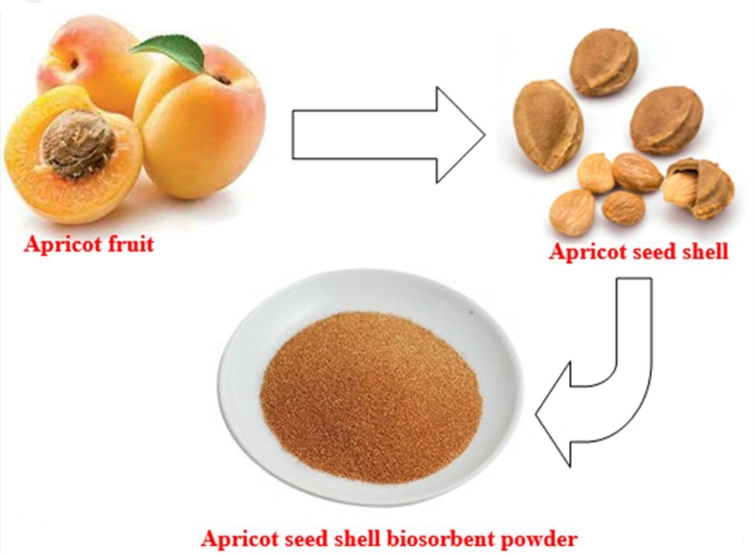
Apricot shell carbon is an engineered biomass material derived from dried fruit pits. As industries shift toward sustainable and bio-based raw materials, it has rapidly become a preferred choice for high-performance carbon applications.

From Agricultural Waste to High-Value Carbon Material

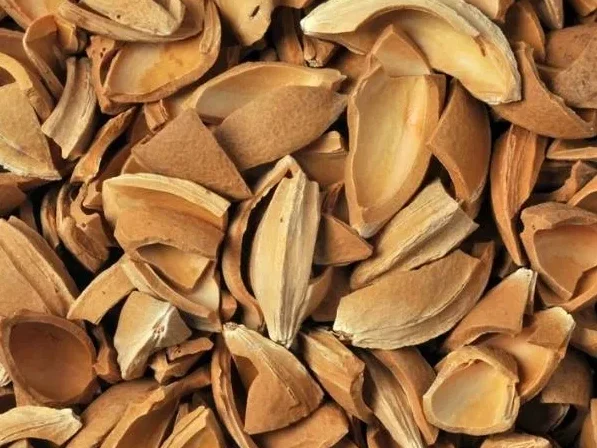
Every year, agricultural processing yields massive quantities of discarded fruit pits. Instead of leaving this biomass to rot or burn, controlled thermal carbonization and activation turn these leftover shells into high-value apricot shell carbon. This process upgrades cheap agricultural waste into an industrial-grade resource. Beyond reducing carbon footprints, it supplies sectors like energy storage, water treatment, and specialized chemistry with a consistent, eco-friendly raw material.

Key Properties

The molecular architecture of apricot shell carbon gives it distinct advantages over synthetic or coal-based alternatives:

High Specific Surface Area: The activation process creates an intricate network of micro- and mesopores, maximizing the effective surface available for chemical reaction and physical absorption.

Superior Mechanical Strength: Dense, woody cell structures give the carbon exceptional hardness, preventing rapid breakdown into unwanted dust during handling and processing.

Strong Adsorption Capacity: High pore volume allows rapid capture and retention of organic compounds, heavy metals, and gases.

Low Ash Content: Clean biomass origin means fewer inorganic impurities, ensuring pure reaction chemistry in critical applications.

Understanding these inherent properties helps explain how ultra-fine grinding technology optimizes carbon performance for demanding downstream uses like battery anodes and precision filtration.

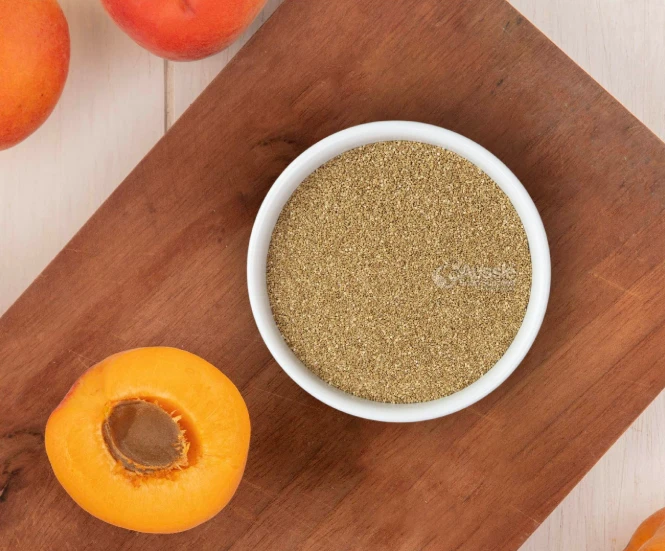
apricot powder 1

Can Apricot Shell Carbon Be Ground to D50 5μm Without Damaging Its Pore Structure?

Q: Does ultrafine grinding destroy the pore structure of activated carbon?

Traditional mechanical grinding methods—such as ball mills or impact mills—rely on heavy friction, intense shear, and compressive pressure. These harsh mechanical forces generate high local temperatures and physical crushing actions that often collapse delicate micropores and mesopores. When processing advanced new energy carbon materials, this structural damage drastically reduces active surface area and compromises performance.

A:

We can reliably achieve D50 5μm apricot shell carbon grinding while keeping the internal porous network fully intact. The secret lies in switching from high-friction mechanical grinding to gas-driven ジェットミリング.

Here is how jet milling preserves the pore architecture during ultrafine reduction:

Self-Impact Mechanism: High-velocity gas streams accelerate carbon particles to collide against each other. Eliminating grinding media prevents harsh mechanical shearing and structural crushing.

Thermal Protection: Gas expansion inside the milling chamber creates a natural cooling effect. This keeps operational temperatures low, protecting micropores from heat-induced collapse.

Clean Fracturing: Particles fracture cleanly along natural stress points, reaching a precise D50 5μm target size without smearing or closing off internal pores.

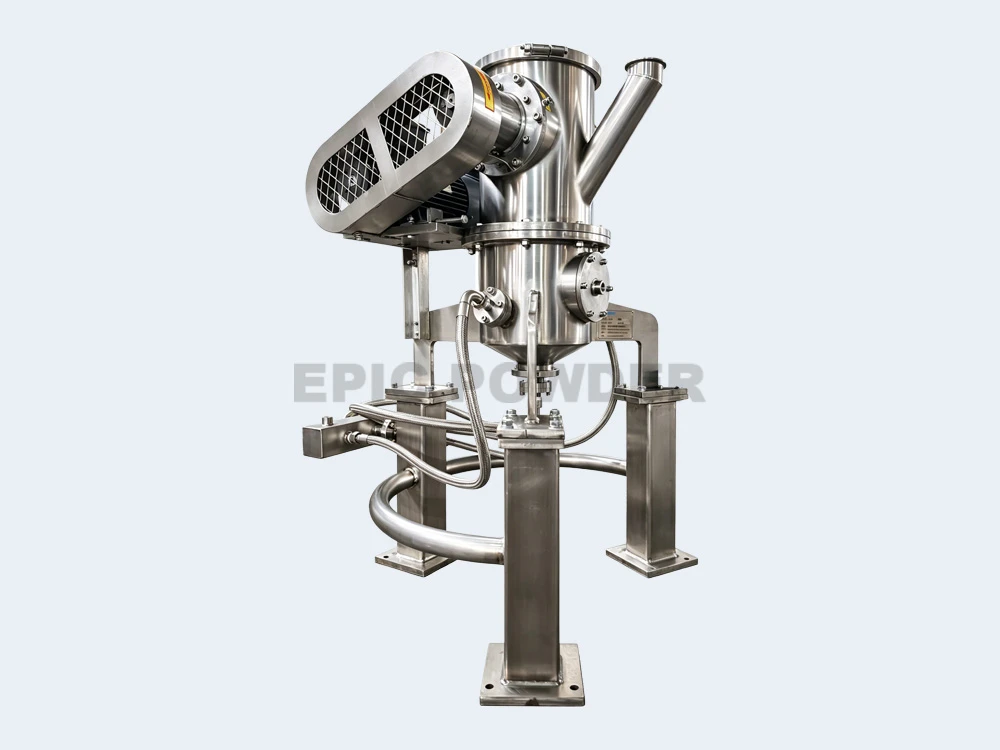
ジェットミル

Is Jet Milling the Best Method for Apricot Shell Carbon Ultrafine Grinding?

Q: What makes jet milling different from traditional mechanical grinding?

Traditional mechanical mills rely on hammers, pins, or grinding media to crush materials. When processing porous carbon down to a tight target like D50 5μm, mechanical friction creates excessive heat and introduces metal wear particles. Heat chokes internal micropores, while metal wear pollutes the high-purity carbon needed for advanced applications.

A:

Jet milling fundamentally changes apricot shell carbon grinding. Instead of forcing carbon against metal blades or media, supersonic streams of compressed air or inert gas force carbon particles to collide directly with each other. This fluid-bed particle-on-particle impact shatters the material down to D50 5μm without mechanical contact or heat buildup.

Reviewing the main advantages of using jet milling over other particle size reduction methods shows clear operational differences:

Processing FeatureTraditional Mechanical GrindingFluidized Bed Jet Milling
Grinding MechanismMechanical friction / impact on metalHigh-speed particle-on-particle collision
Purity LevelHigh risk of metal media wearZero metal contact; pure carbon output
Thermal EffectRapid heat buildup (damages pores)Cooling effect via expanding gas jets
粒子サイズの制御Broad distribution; hard to target D50 5μmPrecise classification with tight distribution
Pore IntegrityHigh risk of structural collapseFull preservation of internal porous network

By eliminating mechanical wear and excessive heat, air jet milling ensures that D50 5μm apricot shell carbon keeps its high purity, native surface area, and delicate pore structure intact.

Why Choose D50 5μm for Your Apricot Shell Carbon Powder?

Targeting a D50 of 5μm in D50 5μm apricot shell carbon grinding unlocks the full economic and functional potential of this bio-based material. Pushing particle size down to the 5-micron threshold turns low-cost bio-char into a high-performance additive that outperforms standard coarse carbon grades across every key metric.

Enhanced Adsorption Performance

Milling carbon down to D50 5μm drastically increases the exposed specific surface area per unit mass.

Faster Kinetic Response: Reduces diffusion distance within particles, letting liquids and gases reach active sites almost instantly.

Preserved Porosity: Micro-milling opens hidden internal channels without crushing the micropore and mesopore structure.

Higher Capacity: Delivers significantly elevated mass-transfer rates compared to standard coarse powders.

Improved Dispersion and Uniformity

Coarse powders settle quickly and form uneven clusters in liquid mixtures and polymer matrices. Achieving a tight D50 5μm particle size distribution eliminates these processing bottlenecks.

Stable Suspension: Finer particles resist gravitational settling in liquid systems, keeping liquid formulations uniform.

Smooth Surface Finish: Eliminates grit and micro-cracks in thin coatings, membranes, and molded composite parts.

Batch-to-Batch Consistency: Strict size classification guarantees predictable viscosity and uniform batch behavior during manufacturing.

Expanded Application Fields

Fine-ground apricot shell carbon moves far beyond basic water filtration, competing directly with synthetic graphites and activated carbons in high-tech sectors. Understanding how fine grinding optimizes particle size distribution on hard carbon anode materials reveals why this micro-scale refinement is essential for energy storage applications.

Application SectorKey Benefit of D50 5μm PowderImpact on End Product
Battery Anodes & SupercapacitorsHigh ion-accessibility & uniform packing densityFaster charge/discharge cycles and longer life
Conductive Composites & PolymersLow percolation threshold with high dispersionImproved electrical conductivity without sacrificing flexibility
Specialty AdsorbentsUltra-fast capture rate for trace toxinsHigh-efficiency medical, gas, and air filtration
Eco-Friendly CoatingsSmooth matrix integration without clogging sprayersDurable anti-corrosion and anti-static performance

For a broader perspective on handling specialized fine powders in challenging environments, check out our advanced powder materials guide.

Waste-to-Value Sustainability

Upgrading raw agricultural waste into a precise micronized carbon powder represents the ultimate circular economy play. We turn low-margin food processing by-products—apricot pits—into premium, high-value carbon materials for advanced energy, automotive, and environmental industries, maximizing profitability while reducing industrial waste.

How to Achieve D50 5μm Apricot Shell Carbon Grinding – A Step-by-Step Guide

Reaching consistent D50 5μm apricot shell carbon grinding without destroying the material’s pore structure requires a controlled, multi-stage process. Here is how we engineer this workflow to maximize yield, purity, and performance.

Step 1: Raw Material Preparation – Carbonization and Activation

Raw apricot shells undergo high-temperature carbonization followed by steam or chemical activation. This step establishes the micro- and mesopore networks that give the carbon its target adsorption capability. Clean, well-activated feed material provides the structural foundation required for downstream ultrafine processing.

Step 2: Pre-Crushing – Reducing Feed Size to <50 μm

Feeding large carbon chunks directly into an ultrafine mill creates bottlenecking and wastes energy. We pre-crush coarse carbon down to a feed size under 50 μm. This creates a uniform feed stream that dramatically improves energy efficiency during fine milling.

Step 3: Ultrafine Grinding with Air Jet Mill – Particle-on-Particle Impact Mechanism

The pre-crushed carbon enters an air jet mill, where high-pressure compressed gas accelerates particles into high-speed fluid-bed collisions. No media wear: Particles collide with each other, completely eliminating metallic media contamination. Preserved pore structure: Impact energy acts along natural fracture lines, keeping porous microstructures intact. Cool operation: Expanding gas absorbs heat, keeping temperatures low to avoid surface oxidation.

Step 4: In-Situ Air Classification – Precise Particle Size Control via Classifier Wheel Speed Adjustment

As particles break down inside the mill, an integrated classification wheel separates fine powder from coarse grains. By adjusting the classifier wheel’s rotational speed, we maintain precise particle size control for carbon materials, ensuring only particles that meet the strict D50 5μm spec leave the grinding chamber while oversized material returns for another pass.

Step 5: Collection and Packaging – Dry Process with Fully Enclosed System

The finished powder passes into high-efficiency cyclone separators and pulse bag filters for collection. 100% Dry Process: Requires no liquid solvents, eliminating downstream drying or re-agglomeration risks. Fully Enclosed System: Operates under negative pressure to eliminate dust hazards and maintain a clean production environment. Immediate Usability: The collected D50 5μm powder is immediately ready for packaging and downstream integration into energy storage devices or advanced filter media.

We have consistently demonstrated our capabilities across demanding carbon processing applications worldwide. Achieving precise particle sizing while preserving delicate porous structures requires equipment built for exact thermal and physical control.

Case 1: Korean Laboratory Porous Carbon Project

For an advanced porous carbon research project in South Korea, we reduced carbon feed stock from under 50 μm down to an ultrafine D90 = 0.8 μm.

温度制御: Kept chamber temperatures strictly under 45°C using active cold air circulation.

Atmosphere Protection: Integrated nitrogen gas protection to prevent oxidation and thermal degradation.

Structure Preservation: Delivered sub-micron fineness while fully maintaining the original pore characteristics.

Case 2: Coconut Shell Carbon Grinding Project

Similar to D50 5μm apricot shell carbon grinding, processing hard biomass carbon demands clean, repeatable performance. In an industrial production setting, we reduced raw carbon to D50 ≈ 7 μm with notable efficiency.

Particle Quality: Achieved a steep, narrow size distribution with zero particle clumping.

Process Efficiency: By knowing how to solve overgrinding and agglomeration problems in powder production with an air classifier, we eliminated unnecessary energy waste and post-process screening.

Streamlined Workflow: Kept the operation 100% dry, saving significant capital and energy costs by removing slurry washing and thermal drying stages completely.

Why Epic Powder Jet Mills Are the Ideal Solution for Apricot Shell Carbon Grinding

We design our エアジェットミル specifically to tackle tough, porous carbon materials without compromising their delicate porous structures. For high-spec D50 5μm apricot shell carbon grinding, エピックパウダー delivers high-yield processing with absolute purity control.

Superior Energy Efficiency

Our systems convert high-pressure gas into supersonic jet streams. This directs kinetic energy entirely into particle-on-particle collisions, cutting down energy loss and lowering operational costs during continuous ultrafine production.

Precise Particle Size Control

With an integrated dynamic air classifier wheel, you can easily adjust the target particle size distribution from D50 = 1.5 μm up to 45 μm. Achieving a consistent D50 5μm threshold with a tight, sharp particle distribution is simple and repeatable.

Low-Contamination Design

Because grinding relies on fluid dynamics rather than mechanical impact, there is no metal-on-carbon contact. When comparing air jet mills to traditional ball mills, removing grinding media completely eliminates metallic contamination and preserves carbon purity.

Fully Enclosed System

Operating under continuous negative pressure, the system locks in all dust. This maintains a clean, safe environment on the factory floor while protecting operators and minimizing raw material loss.

Proven Track Record

With over 35 years of dedicated experience in powder processing, we have successfully deployed custom systems across advanced battery materials, synthetic graphite, and high-performance biomass carbon applications globally.


王氏

読んでいただきありがとうございます。この記事が少しでもお役に立てれば幸いです。ぜひ下のコメント欄にご意見をお寄せください。 EPICにお問い合わせください パウダーオンラインカスタマー担当者 ゼルダ ご質問等ございましたら、お気軽にお問い合わせください。」

ジェイソン・ワン, エンジニア

    あなたが人間であることを証明するために、 フラグ

    トップにスクロールします