5 Mart 2026'da BYD, Shenzhen'de ikinci nesil Blade Bataryasını resmen tanıttı. Bu duyuru, elektrikli araç sektöründe büyük yankı uyandırdı; bunun nedeni sadece kademeli iyileştirmeler değil, yeni bataryanın lityum demir fosfat (LFP) kimyasının neler başarabileceğini temelden yeniden tanımlamasıydı. Rakamlar çarpıcı: Sistem düzeyinde enerji yoğunluğu 190-210 Wh/kg'a ulaşıyor ve bu da ilk nesle göre yaklaşık 40%'lik bir artışı temsil ediyor. 10%'den 70%'ye sadece beş dakikada, 97%'ye ise dokuz dakikada şarj oluyor. -30°C'de bile 20%'den 97%'ye 12 dakikada şarj oluyor. -20°C'de 85%'nin üzerinde kapasiteyi koruyor. 500 ultra hızlı şarj döngüsünden sonra bile, çivi batırma testini yangın veya duman olmadan geçiyor.
Ancak bu manşetlere taşınan özelliklerin ardında, daha az görünür ama aynı derecede kritik bir hikaye yatıyor: toz işleme. Blade Battery 2.0'ı mümkün kılan malzemelerin, neredeyse sıfır kirlilikle, hassas parçacık boyutlarına kadar öğütülmesi gerekiyor. İşte tam da bu noktada devreye giriyor. jet freze seramik kaplama ve nitrojen sirkülasyonu ile Bu makale, Blade Battery 2.0'ın arkasındaki ham maddeleri, işleme kararlarını yönlendiren parçacık boyutu gereksinimlerini ve seramik kaplı, nitrojen korumalı jet öğütmenin pil malzemesi üretiminde endüstri standardı haline gelmesinin nedenlerini inceliyor.
Blade Battery 2.0 Nedir?
Kimya ve Malzemeler
Birinci nesil Blade Batarya (2020), saf grafit anotlu standart bir lityum demir fosfat (LFP) katot kullanıyordu. Güvenliği ve paketleme verimliliği açısından devrim niteliğindeydi, ancak enerji yoğunluğu ve şarj hızı doğal sınırlamalara sahipti.
Blade Battery 2.0, iki önemli malzeme yükseltmesiyle oyunun kurallarını değiştiriyor:
KatotLityum Manganez Demir Fosfat (LMFP) ile yükseltme yapılarak voltaj platformu 3,2V'tan 3,8V'a çıkarılıyor.
AnotSilikonun genleşme eğilimini bastırmak için nano kaplama kullanan bir Silikon-Karbon (Si-C) kompoziti tanıtılıyor.
Elektrolitİyon hareketliliğini artırmak için yeni bir kademeli tasarıma sahip "Flash-Flow" elektrolit kullanır.
NotBazı sektör gözlemcileri, erken dönem Blade 2.0 paketlerinin (örneğin 2026 Yangwang U7 150kWh paketi) düzenleyici dosyalarda LMFP yerine LFP olarak tanımlandığını belirtiyor. Bununla birlikte, BYD'nin resmi lansman materyallerinde temel katot kimyası olarak sürekli olarak LMFP'ye atıfta bulunulmaktadır.
Başlıca Özelliklere Genel Bakış
| Parametre | Özellikler |
| Sistem enerji yoğunluğu | 190–210 Wh/kg |
| 1. Nesil'e göre iyileştirme | ~40% |
| Gerilim platformu | 3,8V (3,2V'den yükseltildi) |
| 10%→70% şarj süresi | 5 dakika |
| 10%→97% şarj süresi | 9 dakika |
| -20°C kapasite koruma | >85% |
| -30°C şarj (20%→97%) | 12 dakika |
| CLTC serisi (120kWh+ paket) | 1.000 km |
| Çivi batırma testi | Ateş yok, duman yok. |
LMFP Neden Önemli?
LMFP, katot kimyasında önemli bir evrimi temsil etmektedir. LFP yapısına manganez eklenmesiyle, malzeme, LFP'yi ilk etapta cazip kılan olivin yapısını ve güvenlik özelliklerini korurken daha yüksek bir voltaj platformuna (3,8V'ye karşı 3,2V) ulaşmaktadır.
Dezavantajı ise LMFP'nin işleme koşullarına, özellikle de şu faktörlere karşı daha hassas olmasıdır: metal kirliliği. Manganez çözünmesi, LMFP için bilinen bir teknik engeldir ve safsızlıklar bozulmayı hızlandırabilir. Bu durum, kirlilikten arındırılmış işlemeyi sadece bir kalite sorunu değil, aynı zamanda bir öncelik haline getirir. temel gereksinim ticari uygulanabilirlik açısından.
Bıçaklı Batarya Katotları için Ham Maddeler
Temel Malzeme Girdileri
LMFP katot üretimi için çeşitli temel hammaddelere ihtiyaç duyulmaktadır:
Lityum kaynakları (lityum karbonat Li₂CO₃ veya lityum hidroksit LiOH)
Demir kaynakları (demir fosfat, demir oksit)
Manganez kaynakları (manganez sülfat, manganez oksit)
Fosfor kaynakları (fosforik asit, amonyum fosfat)
Bu öncül maddelerin, pil elektrot bulamaçlarına dahil edilmeden önce, belirli parçacık boyutu özelliklerine sahip, homojen ve yüksek saflıkta bir katot tozuna işlenmesi gerekir.
Saflık Mücadelesi
Pil malzemeleri söz konusu olduğunda saflık tartışılmaz bir konudur. Az miktarda metalik kirlilik bile ciddi sorunlara yol açabilir.
Katot malzemeleri için demir (Fe) kirliliğinin kesin sınırların altında kalması gerekmektedir:
| Malzeme | Demir (Fe) Sınırı |
|---|---|
| NMC 622 / NMC 811 (yüksek nikel içerikli) | < 10 ppm |
| LFP (standart) | < 50 ppm |
| LMFP | < 30 ppm |
| Lityum karbonat (öncü madde) | < 10 ppm |
Kaynak: Endüstriyel işleme kılavuzu
Yüksek nikel içerikli katot malzemeleri için bu sınır 5 ppm'nin altına düşüyor.
Neden bu kadar katı? Çünkü Katottaki metalik parçacıklar, dahili mikro şöntler gibi davranabilir., Bu durum, yerel galvanik korozyona neden olarak SEI (Katı Elektrolit Arayüzü) bozulmasını hızlandırır ve nihayetinde kısa devrelere ve termal kaçışa yol açar.
Parçacık Boyutunun Önemi
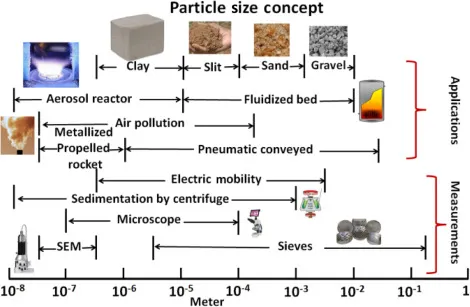
Parçacık boyutu rastgele bir özellik değildir; pil performansını doğrudan kontrol eder.
Katot malzemeleri için (LMFP, LFP, NMC), parçacık boyutu öncelikle şunları kontrol eder:
Elektrot sıkıştırma yoğunluğu—belirli bir hacme ne kadar aktif madde sığar
Hızlandırma yeteneği—lityum iyonlarının ne kadar hızlı içeri ve dışarı hareket edebildiği
Daha ince parçacıklar daha verimli bir şekilde paketlenir ve daha kısa katı hal lityum difüzyon yollarına sahip olduklarından hızlı şarj performansını iyileştirirler. Bununla birlikte, çok ince parçacıkların yüzey alanı da yüksektir, bu da elektrolitle yan reaksiyonları artırır ve ilk döngü kapasite kaybını yükseltir.
Çoğu katot kimyası için en uygun D50 değeri şudur: 1–10 mikron—iyi bir hız kapasitesi için yeterince ince, ancak elektrolit reaktivitesinin baskın hale gelemeyeceği kadar ince değil.
| Malzeme | Tipik D50 Hedefi |
|---|---|
| LFP (standart) | 1–5 μm |
| LMFP | 1–5 μm |
| NMC 622 / NMC 811 | 1–6 μm |
| Lityum karbonat (öncü madde) | 2–5 μm |
Kaynak: Endüstriyel işleme kılavuzu
Parçacık boyutu spesifikasyonları şu kadar katı olabilir: D50 ± 0,5 mikron.
Bilyalı değirmen yerine jet değirmeni neden tercih edilmeli?
Bilyalı değirmen, mineral tozları için en yaygın yöntemdir, ancak öğütme ortamı ve astar aşınması yoluyla metal kirliliğine neden olur. Çelik bilyalı değirmende tek bir geçiş bile buna katkıda bulunabilir. yüzlerce ppm demir Katot tozuna gelince... Seramik bilyalı değirmenler bile pil kimyasını bozan ZrO₂ veya Al₂O₃ kirliliği bırakır.
Jet frezeleme bu durumu tamamen ortadan kaldırır:
Öğütme ortamı yok—yüksek hızlı bir gaz akımında parçacıklar birbirine sürtünür.
Minimum kirlenme—tek sağlam temas yüzeyi hazne duvarıdır
Dar parçacık boyutu dağılımı—Entegre sınıflandırma, tutarlı çıktı sağlar.
Bu nedenle akışkan yataklı jet frezeleme en yaygın yöntem haline gelmiştir. Pil tedarik zinciri genelinde standart teknoloji.
Teknoloji Öne Çıkanları 1: Seramik Kaplama
Sorun
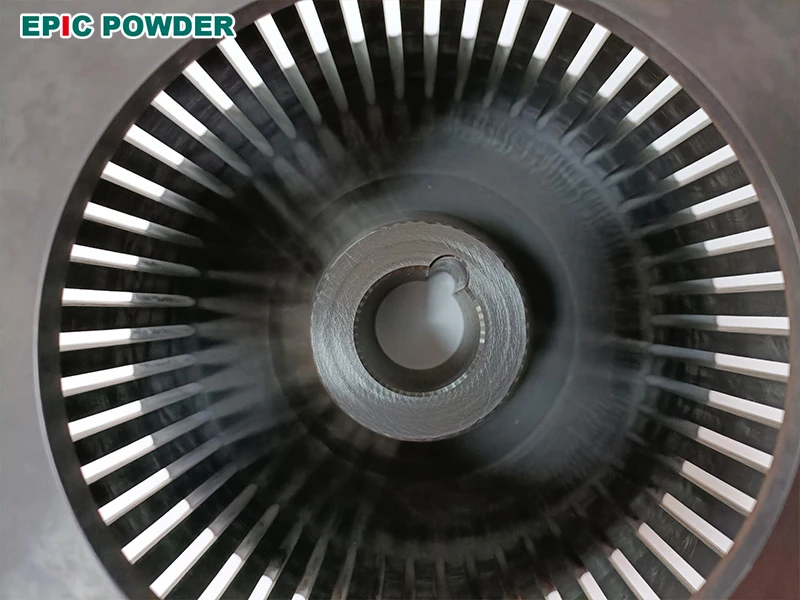
Ultra ince öğütme sırasında, metal ile malzeme arasındaki herhangi bir temas, pil üreticilerinin reddettiği türden bir kirliliğe yol açabilir. Geleneksel çelik fabrikaları, demir içeriğini Tier-1 elektrikli araç üreticileri için anında ret kriteri oluşturan oranlarda artıran sürtünme aşınması üretir.
Çözüm: Seramik Kaplı Temas Parçaları
Seramik kaplama bu sorunu kaynağında çözüyor. Tüm metal temas yüzeylerinin gelişmiş seramik malzemelerle değiştirilmesiyle sistem, kirliliğin toz akışına girmesini önlüyor.
Epik Toz Seramik kaplı jet değirmenleri sunuyoruz; bu değirmenlerde astar, besleme mekanizması, nozullar ve sınıflandırma çarkı dahil olmak üzere malzeme ile temas eden tüm bileşenler seramikten üretilmiştir. 99% alümina (Al₂O₃) veya zirkonya (ZrO₂) seramikleri.
Başlıca faydalar:
Metal kirlenmesini önler. hava akımı ezilmesi sırasında
Yüksek sertlik ve aşınma direnci aşınmayı ve yabancı madde girişini en aza indirir
Yüksek saflıktaki malzemeler için idealdir. pil ve madencilik dışı sektörlerde
Ekipmanların kullanım ömrünü uzatır. kritik bileşenlerdeki aşınmayı azaltarak
Seramik koruma aynı zamanda safsızlıkların girişini de azaltır, böylece Pil kendi kendine deşarj oranlarını düşürmek, pil ömrünü uzatmak ve güvenliği ve tutarlılığı artırmak..
Uygulama Örneği
Çin'in Wuxi şehrinde bulunan önde gelen bir kimya üreticisi, Epic Powder ile ortaklık kurarak Boehmite (AlOOH) üretimine başladı. Boehmite, mükemmel ısı direnci ve kimyasal kararlılığı nedeniyle lityum iyon pil ayırıcı kaplamalarında kullanılan kritik bir malzemedir.
Gereksinimler:
Düzgün kaplama için tutarlı parçacık boyutu dağılımı (PSD)
Sıfır metalik kirlilik—Hatta eser miktardaki metaller bile kısa devreye neden olabilir.
Artan siparişleri karşılamak için istikrarlı üretim kapasitesi
ÇözümEpic Powder'ın MQW Jet Öğütme Sistemi, yüksek hızlı öğütme sırasında metal yüzeylerle teması önlemek için tüm temas eden parçalar için seramik kaplama (alümina/zirkonya) ile tasarlanmıştır.
Teknik parametreler:
Malzeme: Boehmit (AlOOH)
Parçacık boyutu: D50 5,6 μm
Üretim kapasitesi: 280 kg/saat
Teknoloji Özeti 2: Azot Kapalı Devre Sirkülasyonu
Sorun: Oksidasyon, Nem ve Patlama Riski
Lityum pil malzemelerinin ultra ince öğütülmesinde çeşitli riskler ortaya çıkar:
OksidasyonLityum pil metal oksitleri oksijene maruz kaldığında şiddetli ekzotermik reaksiyonları tetikleyebilir.
Nem emilimiMikron ölçeğine kadar öğütüldükten sonra, tozlar oldukça reaktif hale gelir ve su buharını kolayca kimyasal olarak emer.
Patlama riski: Çok ince toz + oksijen + ateşleme kaynağı = toz patlaması tehlikesi
Geleneksel jet değirmenlerinde ortam havasının kullanılması şunlara neden olabilir: yanma, patlama veya oksidasyon pil malzemeleri.
Çözüm: Azot Kapalı Devre Sistemi
Azotla çalışan kapalı devre sirkülasyon sistemi, bu üç sorunu aynı anda çözmektedir.
Nasıl çalışır?:
Azot değişimiÇalıştırmadan önce, kapalı devre sistem boyunca hava nitrojenle değiştirilir.
Gerçek zamanlı izlemeOksijen seviyesi ölçüm cihazı (doğruluk: 0,1 ppm), gerektiğinde nitrojen seviyesini otomatik olarak yenilemek için PLC'ye bağlanır.
Kapalı döngü geri dönüşümEzilmiş azot, siklon ayırıcı, torba filtre ve kondenserden geçirilerek saflaştırılır ve ardından geri dönüşüm için sisteme geri verilir.
Başlıca özellikler:
| Parametre | Özellikler |
|---|---|
| Oksijen içeriği | ≤ 10 ppm |
| Nem içeriği | < 0.02% |
| İnert gaz kaybı | < 5% (geri dönüşüm) |
Üçlü korumaSistem, tam seramik koruma (ezme haznesi, nozullar, metal sürtünme kıvılcımlarını önlemek için zirkonyum oksit seramik ile kaplanmış boru hatları) ile basınç tahliyesini (0,01 MPa'da patlayan diskler) ve antistatik önlemleri entegre eder.
Uygulama Örneği: LFP Taşlama
Hunan'da bulunan bir müşteri, lityum demir fosfat işleme için Epic Powder'ın MQW40 hava jetli değirmenini kullanıyor:
Oksijen içeriği korunur. 8 ppm'nin altında
Nem altında 0.02%
Kırma verimliliği artar 40%
Yıllık azot maliyeti tasarrufu 50,5 milyon yuanı aşıyor.
Toz İşlemenin Gizli Bir Kolaylaştırıcı Olmasının Nedeni
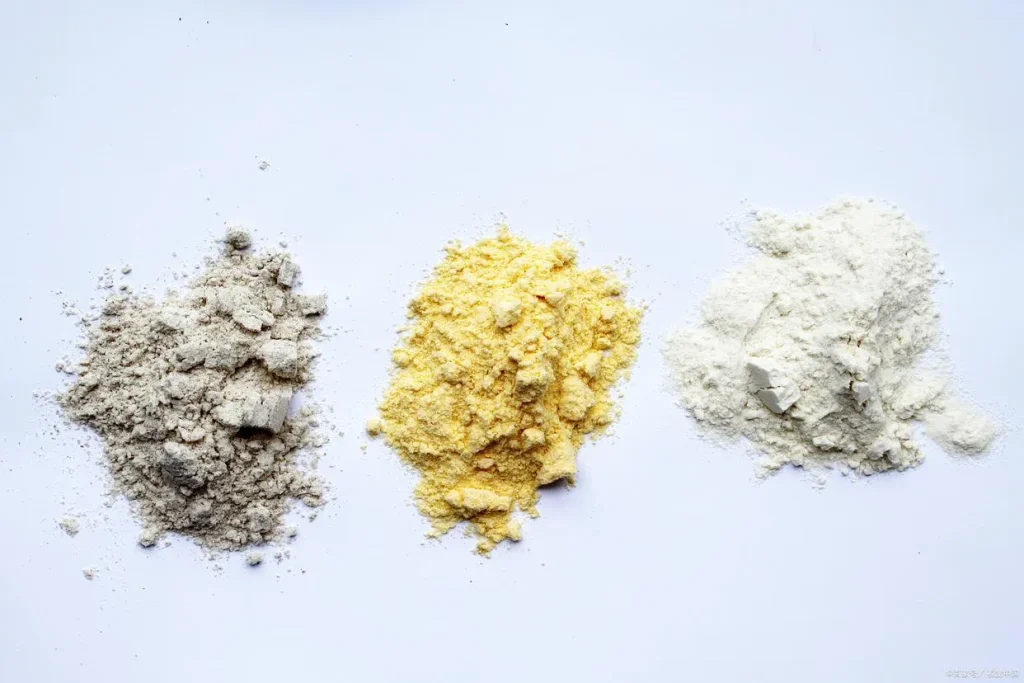
Pil endüstrisinin daha yüksek enerji yoğunluğu, daha hızlı şarj ve daha uzun çevrim ömrüne yönelik çabaları Toz işleme teknolojisindeki gelişmeler olmadan başarılı olunamaz.. Malzemelerin kalitesi, onları işleyen ekipmanın kalitesiyle doğru orantılıdır. Olağanüstü elektrokimyasal özelliklere sahip bir LMFP katot, elektrot kaplama makinesine demir parçacıklarıyla kirlenmiş veya düzensiz parçalar halinde kümelenmiş olarak gelirse değersizdir. Pil malzemesi üreticileri için, yatırım yapmak... seramik kaplı, azot korumalı jet frezeleme sistemleri bir mutlak Birinci kademe pil üreticilerine tedarik sağlamak için.
Başlıca gereksinimler açık:
Parçacık boyutu kontrolü—D50 hedefleri, dar dağılımla 1–5 μm aralığındadır.
Sıfır metalik kirlilik—tüm temas eden parçalar için seramik kaplama
Oksidasyon koruması—O₂ ≤ 10 ppm olan azot atmosferi
Emniyet—Basınç tahliyesi ve antistatik önlemler içeren patlamaya dayanıklı tasarım
Maliyet verimliliği— 'den az kayıpla kapalı devre gaz geri dönüşümü
Epic Powder'ın Entegre Çözümü
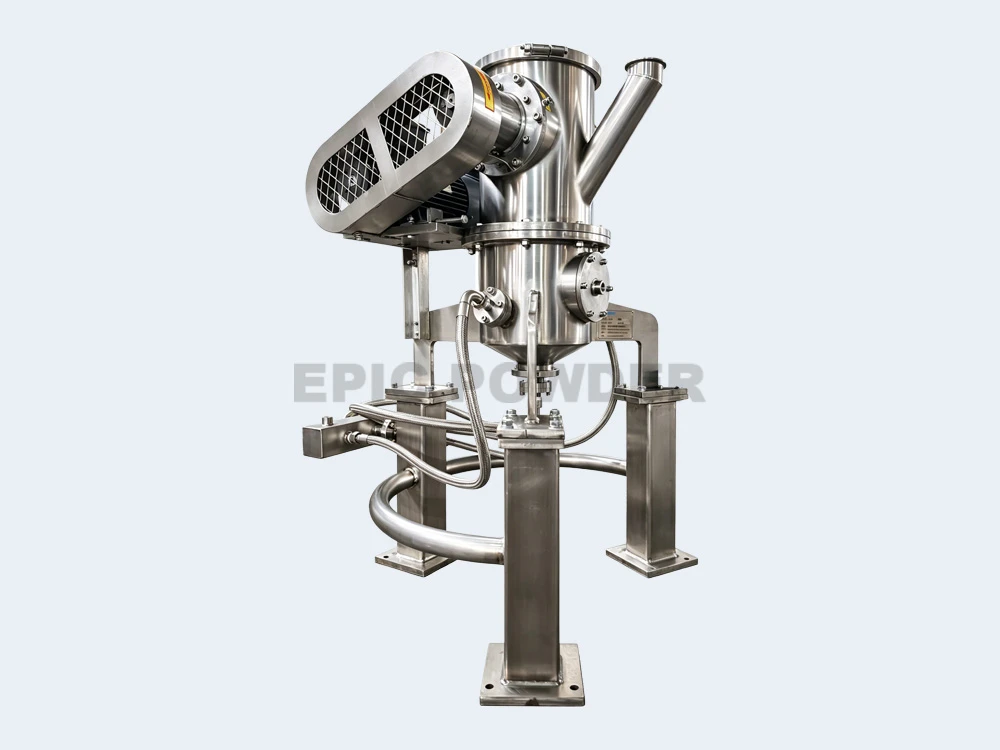
Epik Toz kapsamlı çözümler sunmaktadır pil malzemesi işleme:
MQW Jet Frezeleme Sistemi Tüm temas eden parçalar seramik kaplama (alümina/zirkonya) ile donatılmıştır.
Azot kapalı devre dolaşımı gerçek zamanlı O₂ izleme (0,1 ppm doğruluk) ve <5% gaz kaybı ile
Tam seramik koruma Metal sürtünmesinden kaynaklanan kıvılcımları ve kirlenmeyi önlemek için
ATEX patlamaya dayanıklı sertifikası
Tek elden çözümler Azot sıkıştırma, saflaştırma, kırma ve geri dönüşümünü kapsayan
Sistem, LFP, LMFP, NMC, NCA, lityum karbonat ve ayırıcı kaplama malzemeleri de dahil olmak üzere lityum pil malzemeleri için tasarlanmıştır.
Temel yetenekler:
1 ila 25 μm arasında D50 dağılımları elde edin.
Al₂O₃ seramik kaplama ile kirlilik içermeyen öğütme
Azot, argon veya hava ile uyumlu kapalı devre inert gaz sirkülasyonu.
Optimize edilmiş tasarım, güç tüketimini azaltır.
Çözüm
BYD'nin Blade Battery 2.0'ı, 190-210 Wh/kg enerji yoğunluğu, 70%'ye beş dakikada şarj olma özelliği ve 1.000 km'den fazla menzil ile elektrikli araç batarya teknolojisinde büyük bir ilerlemeyi temsil ediyor. Bu başarıların ardında, silikon-karbon anotlu LMFP katottan oluşan ve özel gereksinimler gerektiren bir malzeme sistemi yatıyor. olağanüstü saflık ve hassas parçacık boyutu kontrolü.
Bu talepleri karşılamak için gelişmiş toz işleme ekipmanlarına ihtiyaç duyulmaktadır. Seramik kaplı jet değirmenleri Aksi takdirde pil performansını ve güvenliğini olumsuz etkileyecek metal kirlenmesini önler. Azot kapalı devre dolaşımı Oksidasyona, nem emilimine ve patlama riskine karşı koruma sağlar.
Pil malzemesi üreticileri için öğütme ekipmanının seçimi önemsiz bir teknik karar değil, aynı zamanda çok önemli bir karardır. stratejik bir Bu durum, ürün kalitesini, üretim maliyetini ve dünyanın en talepkar elektrikli araç üreticilerine tedarik sağlama yeteneğini doğrudan etkiliyor.
Epic Powder'ın seramik kaplı, nitrojen korumalı jet öğütme sistemlerinin pil kalitesinde saflık ve işleme verimliliğine ulaşmanıza nasıl yardımcı olabileceğini öğrenin.
EPİK Tozu
Şu anda Epik Toz, Geniş bir ekipman modeli yelpazesi sunuyoruz ve özel ihtiyaçlarınızı karşılayacak çözümler üretiyoruz. Ekibimiz, çeşitli toz işleme alanlarında 20 yılı aşkın deneyime sahiptir. Epic Powder, maden endüstrisi, kimya endüstrisi, gıda endüstrisi, ilaç endüstrisi vb. için ince toz işleme teknolojisinde uzmanlaşmıştır.
Bize Ulaşın Ücretsiz danışmanlık ve size özel çözümler için bugün iletişime geçin!
"Okuduğunuz için teşekkürler. Umarım makalem yardımcı olur. Lütfen aşağıya yorum bırakın. Ayrıca şunları da yapabilirsiniz: EPIC ile iletişime geçin Toz çevrimiçi müşteri temsilcisi Zelda Daha fazla bilgi için bize ulaşın.”
— Jason Wang, Mühendis