
Kuru Toz Öğütme İşlemlerinde Güvenlik
Kuru Öğütmede Dört Temel Tehlike
Toz öğütme güvenliği, yüksek hızlı çalışma nedeniyle ortaya çıkan risklerin yönetilmesine büyük ölçüde bağlıdır. Çoğu kuru öğütme ekipmanı yüksek dönüş hızlarında çalışır. Jet değirmenleri rotor ucu hızlarında 100–200 m/s, pimli değirmenler 80–120 m/s, bilyalı değirmenler ise kritik hızda 65–85 m/s hızla çalışır. Bu durum, birbirleriyle etkileşim halinde olan dört tehlike kategorisi oluşturur:
- Yanıcı toz patlaması: Kapalı bir alanda havada asılı halde bulunan ince toz, konsantrasyonu malzemenin patlayıcı aralığı içinde kalırsa ve bir ateşleme kaynağı mevcutsa patlayıcı bir bulut oluşturabilir. Gerekli koşullar şunlardır: yeterli yakıt (minimum patlayıcı konsantrasyonun (MEC) üzerinde toz), oksitleyici (minimum oksijen konsantrasyonunun üzerinde oksijen), ateşleme kaynağı ve kapalı alan. Bu koşullardan herhangi biri ortadan kalkarsa patlama meydana gelemez.
- Mekanik kıvılcım üretimi: Taşlama bölgesine giren yabancı metal parçaları veya sert yabancı maddeler, metalden metale çarpışmaya neden olarak toz bulutunu tutuşturabilecek kıvılcımlar üretir. Parça arızası - kırık bir taşlama pimi, çatlamış bir astar bölümü - aynı etkiye sahiptir.
- Aşırı ısınma: Yatak arızası, aşırı dolum veya aşırı sürtünme yerel sıcaklıkları yükseltir. Minimum tutuşma sıcaklığı (MIT) düşük olan malzemeler için, orta derecede aşırı ısınma bile, tutuşmaya kadar ilerleyen için için yanmaya neden olabilir.
- Elektrostatik birikim: Kanallar ve öğütme haznesi boyunca yüksek hızlı toz akışı, özellikle düşük iletkenliğe sahip malzemelerde elektrostatik yük oluşturur. Topraklanmamış bir bileşen, ince bir toz bulutunu tutuşturabilecek bir kıvılcım deşarjı üretecek kadar yeterli yük biriktirebilir.
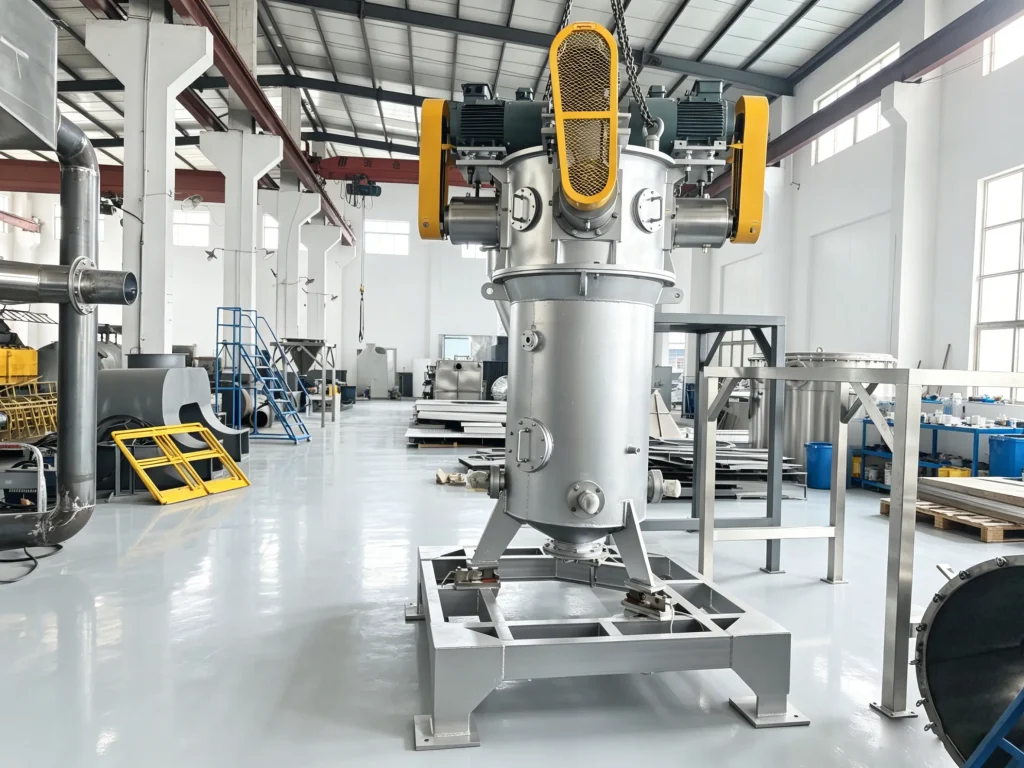
Patlama Önleme: Tutuşmaya Yol Açan Koşulları Ortadan Kaldırmak
Tercih edilen strateji önlemedir; yani bir patlamanın başlamasından önce bir veya daha fazla gerekli koşulu ortadan kaldırmaktır. Aşağıdaki tablo, altı temel önleme önlemini ve bunların teknik temelini kapsamaktadır.
| Önleme Amacı | Belirli Ölçü | Teknik Açıklama |
| Yabancı Malzeme Girişini Önleyin | Hammaddenin titreşimli eleklerden ve manyetik ayırıcılardan geçmesi gerekir; bazı durumlarda metal dedektörleri de kullanılır. | Yüksek hızlı taşlama elemanlarına yabancı cisimlerin çarpmasını önleyerek kıvılcım oluşmasını veya mekanik hasara yol açmasını engeller. Titreşimli elekler büyük boyutlu kirleticileri uzaklaştırır; manyetik ayırıcılar demirli malzemeleri yakalar; metal dedektörleri paslanmaz çelik, bakır veya alüminyum gibi demir dışı metalleri tespit edebilir. |
| Mekanik Arıza Tespiti | Dönen parçaların mekanik arızası, metalin metale temas etmesine, kıvılcım oluşmasına veya yatakların aşırı ısınmasına yol açabilir. | Bazı değirmenler, eşik değerler aşıldığında otomatik kapanmayı tetikleyen titreşim izleme cihazlarıyla donatılmıştır. Rulmanlara monte edilen sıcaklık sensörleri, gerçek zamanlı izleme olanağı sağlar. Rulmanların, ürünün rulman alanlarına girmesini ve tutuşma sıcaklığına kadar ısınmasını önlemek için temizlenmesi/yıkanması gerekir. |
| Aşırı doldurmayı önleyin | Değirmen beslemesi, aşırı doldurmadan kaynaklanan aşırı ısınma ve için için yanma olaylarını önlemek için hassas bir şekilde kontrol edilmelidir. | Dolum hacmini yönetmek için seviye sensörleri ve besleyici kilitleme kontrolü kullanın. Titreşim değerlerinin ve motor akımının gerçek zamanlı izlenmesi, aşırı dolumdan kaynaklanan anormal yük değişikliklerini tespit edebilir. Sürekli öğütme sistemleri için, besleme hızı-güç oranının izlenmesi önerilir. |
| Atıl Koruma | Yanıcı veya patlayıcı maddeler (örneğin, kükürt, alüminyum tozu, nişasta, farmasötik ara ürünler) için sisteme inert gaz enjekte edin. | Oksijen konsantrasyonunu malzemenin Sınırlayıcı Oksijen Konsantrasyonu (LOC) seviyesinin altında tutarak, patlama oluşumu için gerekli bir koşulu ortadan kaldırır. İnertleştirme modları arasında sürekli inertleştirme, parti inertleştirme veya vakum yer değiştirme inertleştirme bulunur. Besleme sistemiyle entegre edilmiş çevrimiçi bir oksijen analizörü gereklidir. |
| Statik Giderme | Öğütme sistemi ve havalandırma kanallarının güvenilir bir şekilde topraklanması ve bağlanması. | Düşük iletkenliğe sahip malzemeler veya yüksek hızlı hava akışı koşulları için, besleme girişlerine veya kanal sistemine statik giderici takılması önerilir. Filtre torbası malzemeleri antistatik tipte olmalıdır. |
| Sıcaklık İzleme | Öğütme haznesi çıkışı, yatak yuvaları, sınıflandırıcı çark vb. gibi önemli noktalara çok noktalı sıcaklık sensörleri takın. | Çok seviyeli alarm eşikleri ayarlayın: erken uyarı (örneğin, 70°C), alarm (örneğin, 90°C), kapatma (örneğin, 110°C). Isıya duyarlı malzemeler için, besleme hızı veya soğutma havası hacmi ile kilitleme kontrolü gereklidir. |
Patlama Riskini Azaltma: Önleme Başarısız Olduğunda Sonuçları Kontrol Altına Alma
Patlama İzolasyon Cihazları
İzolasyon cihazları, sistemin bir bölümünde başlayan bir patlamanın kanallar aracılığıyla yayılıp tesisin başka yerlerinde daha fazla patlamaya yol açmasını önler. Başlıca üç türü vardır:
- Ventex valfi (pasif): Bir patlamanın başlatıcı etkisinden kaynaklanan basınç dalgası altında kapanan yaylı bir valf. Güç kaynağı veya algılama sistemine gerek yoktur; valf basınç dalgasına kendiliğinden tepki verir. Tepki süresi hızlıdır ancak basınç dalgasının hızına bağlıdır. Birçok standart uygulama için uygundur.
- Patlamaya dayanıklı döner vana: Alev yayılımını durduracak yeterli hazne hacmine sahip döner bir hava kilidi. Patlama algılama sensörleri devreye girdiğinde, valf dönüşü durur ve yol kapanır. Bitişik kanatlar arasındaki hacim, alevin aşağı akış boru hattına ulaşmadan önce söndürülmesi için yeterince büyük olmalıdır.
- Hızlı etkili valf: Sistemdeki basınç veya optik sensörlerden patlama algılama sinyali aldıktan sonra milisaniyeler içinde kapanan aktif bir cihazdır. Özel bir güvenlik PLC'si ve algılama sensörleri gerektirir. Pasif cihazların yetersiz tepki hızına sahip olabileceği büyük veya karmaşık tesisler için en güvenilir izolasyon yöntemidir.
Patlama Havalandırması
Değirmen gövdesine veya aşağı akış ekipmanına patlama tahliye panelleri (yırtılma diskleri olarak da adlandırılır) takarsınız. Bu paneller, aşırı basıncı yıkıcı seviyelere ulaşmadan önce güvenli bir yöne, genellikle dışarıya veya bir havalandırma kanalına tahliye eder. Havalandırma alanının boyutunu, malzemenin deflagrasyon indeksi (Kst değeri) ve muhafaza hacmine göre belirlemeniz gerekir. Patlamayı tamamen kontrol altına alacak şekilde tasarlamadığınız çoğu sistem için, havalandırma panelleri en düşük maliyetli önlemi sunar. Ekipman iç mekanda ise ve dışarıya havalandırma pratik değilse, bunları alevsiz havalandırma cihazlarıyla birleştirebilirsiniz.
Patlama Önleme
Bastırma sistemleri, patlamanın en erken aşamasında (basınç ortam basıncının sadece 10-50 mbar üzerine çıktığında) patlamayı tespit eder ve maksimum basınca ulaşmadan önce alevlenmeyi söndürmek için yeterli miktarda bastırma maddesi (tipik olarak sodyum bikarbonat veya diğer inertleştirici toz) enjekte eder. Tespit anından bastırma maddesinin uygulanmasına kadar geçen tepki süresi, basınç artış hızından daha hızlı olmalıdır; bu da güvenlik dereceli bir tespit ve çalıştırma sistemi gerektirir. Bastırma, havalandırmadan daha maliyetlidir, ancak güvenli bir yere havalandırma yapılamadığında ve tam basınç kontrolü pratik olmadığında kullanılır.
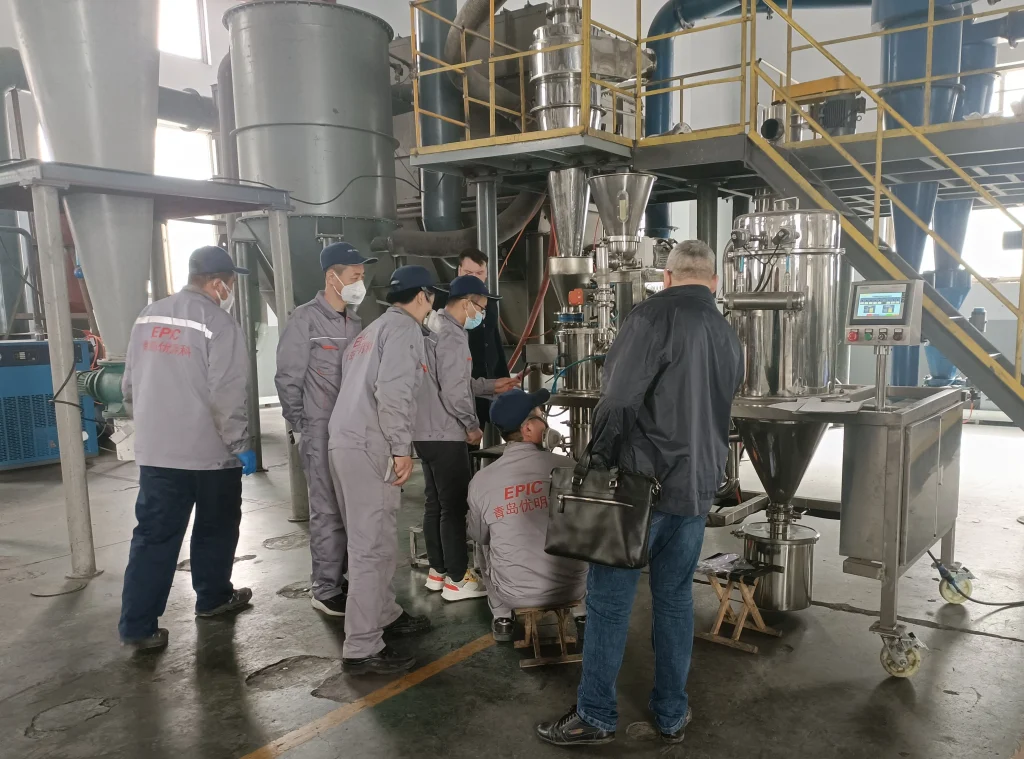
Proses Kontrolü — Hedef PSD'ye Ulaşmak İçin Temel Değişkenler
Üretimde, odak noktası felaket olaylarını önlemekten, belirtilen verimde tutarlı parçacık boyutu dağılımını (PSD) korumaya kayar. Aşağıdaki sekiz değişken, çoğu kuru öğütme sisteminde birincil kontrol kollarıdır. Bunlardan herhangi birindeki değişiklik PSD sonucunu etkiler; birkaçında aynı anda yapılan değişiklikler ise deneme yanılma yönteminden ziyade sistematik ayarlama gerektirir.
| Değişken | PSD Üzerindeki Etkinin Yönü | Pratik Hususlar |
| Besleme hızı / verim | Daha yüksek besleme hızı → daha kaba parçacık boyutu dağılımı, daha geniş dağılım | PSD'nin kaba değerlere doğru kayması durumunda ilk müdahale önlemi, üretim hacmini azaltmaktır. Bu, birincil süreç göstergesi olarak izlenmelidir. |
| Yem nemi | Daha yüksek nem oranı → daha kaba, daha geniş parçacık boyutu dağılımı | Parçacıkların kırılması daha zordur; ince taneler topaklanır. Mümkünse öğütmeden önce ısıtılmış hava verin veya nem oranını 'in altına düşürün. |
| Yem parçacık boyutu dağılımı | Daha geniş besleme PSD'si → daha geniş ürün PSD'si | Yukarı akış yönündeki kırma işlemini dikkatlice kontrol edin. Islak bilyalı değirmenlerde, aşırı büyük besleme parçacıkları giriş tıkanmasına neden olabilir. |
| Rotor / uç hızı | Daha yüksek hız → daha ince PSD | Enerji tüketimini artırır ve aşınmayı hızlandırır. Aşınma kontrol altında tutulmalıdır; öğütme ortamının kaybı ürünü kirletir. |
| Yemdeki yağ/yağ içeriği | Daha yüksek yağ oranı → kümelenme → daha kaba, daha geniş parçacık boyutu dağılımı | Yağlı malzemeler değirmeni tıkayabilir ve aşırı ısınmaya neden olabilir. Gelen malzeme özelliklerinde yağ içeriği varyasyonunu kontrol edin. |
| Sıcaklık | Daha yüksek sıcaklık → daha yumuşak parçacıklar → daha kaba parçacık boyutu dağılımı (ısıya duyarlı malzemeler) | Isıya duyarlı malzemeler için besleme sıcaklığı ve çıkış sıcaklığı alarm limitlerini ayarlayın. |
| Öğütme ortamı boyutu (boncuklu değirmenler) | Daha küçük medya → daha ince PSD | Genel kural: malzeme çapı >= 20-30x besleme D90. Daha küçük malzeme = daha fazla temas noktası ancak daha düşük darbe enerjisi. |
| Ortam dolum oranı (bilyalı değirmenler) | Optimuma göre daha yüksek oran → daha ince parçacık boyutu dağılımı; optimumun üzerinde → azalan verim, ısı üretimi | Tipik optimum etkili öğütme hacmi 70-85%'dir. Bunun üzerinde, öğütme ortamı-öğütme ortamı çarpışmaları enerji kaybına neden olur. |
Proses İzleme: Üç Katman
Etkin PSD kontrolü, her biri farklı bir fayda sağlayan üç seviyede izleme gerektirir. bilgi farklı zaman ölçeklerinde.
- Çevrimiçi parçacık boyutu analizi: Değirmen çıkışına monte edilen lazer kırınım cihazları, sürekli gerçek zamanlı PSD verileri sağlar. Besleme hızı veya sınıflandırıcı hızıyla senkronize edilerek bir geri besleme döngüsü oluşturulabilir. Bu, yüksek değerli veya sıkı spesifikasyonlu üretim için altın standarttır. Referans standartlarla düzenli kalibrasyon gerektirir.
- Motor akımı ve güç izleme: Motor akımı, öğütme yükünün en hızlı tepki veren göstergesidir ve aşırı dolum, ürünün duvarlara yapışması veya öğütme ortamı aşınması hakkında gerçek zamanlı bilgi sağlar. Anormal bir akım artışı genellikle aşırı dolum veya ürün yapışmasından kaynaklanan yük artışını gösterir; ani bir akım düşüşü ise genellikle besleme kesintisini veya önemli öğütme ortamı kaybını gösterir. Üst ve alt alarm eşiklerini ayarlayın.
- Periyodik manuel örnekleme: Çevrimiçi cihazlarla bile, cihaz kalibrasyonunun doğrulanması ve kalite kayıtlarının tutulması için planlı manuel örnekleme (sürekli üretimde her 2-4 saatte bir veya parti üretiminde her parti başlangıcında) şarttır. Örnek toplama protokolü - çok noktalı, çapraz akış örneklemesi - analiz yöntemi kadar önemlidir.
Malzeme ve güvenlik gereksinimlerinize uygun tasarlanmış bir frezeleme sistemine mi ihtiyacınız var?
EPİK Tozu Makine tedarikçimiz, yanıcı ve ısıya duyarlı tozlar için jet değirmenleri, hava sınıflandırıcı değirmenleri ve kapalı devre azot sistemleri üretmektedir. Malzemenizin patlama risk sınıfını değerlendirebilir, kurulumunuz için uygun önleme ve azaltma önlemlerini önerebilir ve bunları baştan itibaren süreç tasarımına entegre edebiliriz. Ar-Ge tesisimizde yapılan malzeme denemeleri, ekipman taahhüdünden önce partikül boyutu sonuçlarını doğrular.
Lütfen bize malzemenizi, hedef D50 değerinizi, üretim kapasitenizi ve malzemenizin yanıcı veya ısıya duyarlı olup olmadığını bildirin.
Ücretsiz Proses ve Güvenlik Danışmanlığı Talebi İçin: www.jet-mills.com/contact
Jet değirmenlerimiz ve hava sınıflandırıcılı değirmenlerimiz hakkında daha fazla bilgi için: www.jet-mills.com
Sıkça Sorulan Sorular
Üretim süreci boyunca öğütülmüş ürünümün tane boyutu dağılımı (PSD) sürekli olarak daha iri taneli hale geliyor. Bunun en olası nedenleri nelerdir?
Üretim sürecinde kademeli olarak tane boyutunun kabalaşmasının (ani bir değişimden ziyade, bu bir parametre değişikliğini gösterir) kabaca sıklık sırasına göre dört yaygın nedeni vardır. Birincisi, bilyalı veya boncuklu değirmenlerde öğütme ortamı aşınması: ortam aşındıkça çapları azalır, bu da darbe enerjisini azaltır ve tane boyutu dağılımını daha kaba hale getirir. Ortam tüketimini takip edin ve tane boyutu dağılımındaki kayma oranına göre bir ortam takviye programı oluşturun. İkincisi, sınıflandırıcı tekerleği aşınması: hava sınıflandırıcılı değirmenlerde ve sınıflandırıcı donanımlı sistemlerde, sınıflandırıcı tekerleğindeki bıçak aşınması, etkili kesme çapını değiştirir ve tipik olarak D97 ürününü kaba hale getirir.
Ürün parçacık boyutu dağılımı (PSD) trendini çalışma saatleriyle karşılaştırın ve sapmanın başladığı noktada çarkı değiştirin. Üçüncüsü, besleme hızı kayması: Besleyici kalibrasyon sapmasından veya operatör ayarlamasından kaynaklanan zaman içindeki küçük besleme hızı artışları, değirmen yükünü artırır ve daha kaba bir ürün üretir. Besleme hızını kontrol sistemi ayar noktasıyla düzenli olarak doğrulayın. Dördüncüsü, beslemedeki nem artışı: Hammaddenizin değişken nemi varsa, daha yüksek nem parçacıkların kırılmasını zorlaştırır ve ince tanelerin topaklanmasını teşvik eder; bunların her ikisi de ürünü kabalaştırır. Her teslimatta gelen malzemenin nemini kontrol edin.
Epic Powder ile Öğütme İşleminizi Optimize Edin
Şu anda Epik Toz, Biz, gelişmiş tasarım ve üretim konusunda uzmanlaşmış bir firmayız. jet değirmenleri, hava sınıflandırıcı değirmenleri ve bilyalı değirmen sınıflandırıcı üretim hatları Sağlam güvenlik özelliklerini hassas proses kontrolüyle birleştiren sistemler.
Öğütme ve sınıflandırma sistemlerimiz, aşağıdaki çözümleri içeren geniş bir malzeme yelpazesini işlemek üzere tasarlanmıştır:
- İnert Gaz Kapalı Devre Jet Frezeleme Sistemleri Yanıcı ve patlayıcı maddeler için, oksijen izleme ve otomatik kontrol sistemiyle donatılmıştır.
- Yüksek Performanslı Hava Sınıflandırma Değirmenleri Enerji tasarruflu çalışma ile hassas parçacık boyutu kontrolü sağlar.
- Özel Tasarım Anahtar Teslim Üretim Hatları NFPA ve ATEX standartlarına uygun olarak besleme, öğütme, sınıflandırma, toplama ve patlama tahliyesi veya söndürme sistemleri de dahil olmak üzere güvenlik sistemlerinin entegrasyonu.
- Kapsamlı Satış Sonrası Destek Süreç optimizasyonu danışmanlığı, operatör eğitimi ve yedek parça temini de dahil olmak üzere.
İster mevcut ekipmanınızı modernize ediyor olun ister yeni bir toz işleme hattı kuruyor olun, ekibimiz güvenlik, tutarlılık ve operasyonel verimliliğe öncelik veren özel çözümler sunar.
Bize Ulaşın Bugün Malzeme ve işlem gereksinimlerinizi görüşmek üzere bizimle iletişime geçin veya gerçek malzemeniz üzerinde partikül boyutu sonuçlarını göstermek için frezeleme denemeleri yapabileceğimiz uygulama test merkezimizi ziyaret edin.
Epik Toz
Epik Toz, 20 yılı aşkın süredir ultra ince toz sektöründe deneyime sahibiz. Ultra ince tozun kırma, öğütme, sınıflandırma ve modifikasyon süreçlerine odaklanarak, ultra ince tozun gelecekteki gelişimini aktif olarak destekliyoruz. Bize Ulaşın Ücretsiz danışmanlık ve size özel çözümler için! Uzman ekibimiz, toz işleme süreçlerinizin değerini en üst düzeye çıkarmak için yüksek kaliteli ürünler ve hizmetler sunmaya kendini adamıştır.

“Okuduğunuz için teşekkürler. Umarım makalem yardımcı olmuştur. Lütfen aşağıya yorum bırakın. Ayrıca EPIC Powder çevrimiçi müşteri temsilcisiyle de iletişime geçebilirsiniz. Zelda Daha fazla bilgi için bize ulaşın.”
— Jason Wang, Mühendis