Στις 5 Μαρτίου 2026, η BYD παρουσίασε επίσημα τη δεύτερης γενιάς μπαταρία Blade στη Σεντζέν. Η ανακοίνωση προκάλεσε αναταραχή στη βιομηχανία ηλεκτρικών οχημάτων — όχι λόγω σταδιακών βελτιώσεων, αλλά επειδή η νέα μπαταρία επαναπροσδιορίζει ριζικά τι μπορεί να επιτύχει η χημεία του φωσφορικού λιθίου-σιδήρου (LFP). Οι αριθμοί είναι εντυπωσιακοί: η ενεργειακή πυκνότητα σε επίπεδο συστήματος φτάνει τα 190–210 Wh/kg, αντιπροσωπεύοντας μια αύξηση περίπου 40% σε σχέση με την πρώτη γενιά. Φορτίζει από 10% σε 70% σε μόλις πέντε λεπτά και φτάνει τα 97% σε εννέα λεπτά. Ακόμα και στους -30°C, επαναφορτίζεται από 20% σε 97% σε 12 λεπτά. Διατηρεί χωρητικότητα άνω των 85% στους -20°C. Περνάει τη δοκιμή διείσδυσης καρφιού χωρίς φωτιά ή καπνό, ακόμη και μετά από 500 εξαιρετικά γρήγορους κύκλους φόρτισης.
Αλλά πίσω από αυτές τις εντυπωσιακές λεπτομέρειες κρύβεται μια λιγότερο ορατή αλλά εξίσου κρίσιμη ιστορία - η ιστορία του επεξεργασία σκόνης. Τα υλικά που καθιστούν δυνατή την κατασκευή της μπαταρίας Blade 2.0 πρέπει να αλέθονται σε ακριβή μεγέθη σωματιδίων με σχεδόν μηδενική μόλυνση. Και εκεί είναι που... φρεζάρισμα με πίδακα με κεραμική επένδυση και κυκλοφορία αζώτου καθίσταται απαραίτητο. Αυτό το άρθρο εξετάζει τις πρώτες ύλες πίσω από την Blade Battery 2.0, τις απαιτήσεις μεγέθους σωματιδίων που καθορίζουν τις αποφάσεις επεξεργασίας και γιατί η άλεση με ακροφύσιο με κεραμική επένδυση και προστασία από άζωτο έχει γίνει το βιομηχανικό πρότυπο για την παραγωγή υλικών μπαταριών.
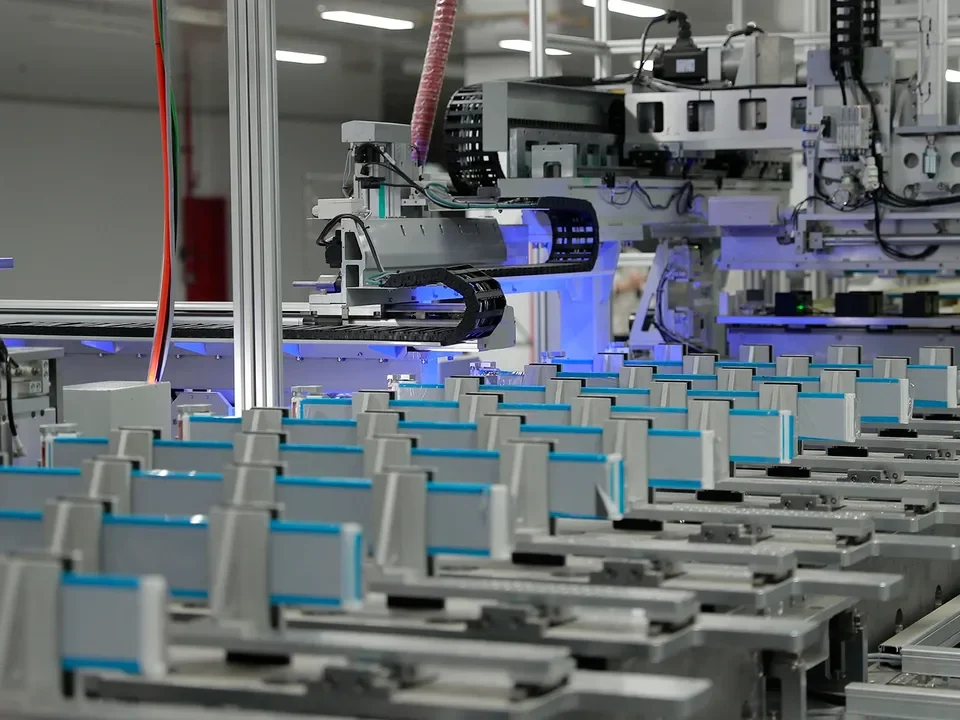
Τι είναι η μπαταρία Blade 2.0;
Χημεία και Υλικά
Η μπαταρία Blade πρώτης γενιάς (2020) χρησιμοποιούσε μια τυπική κάθοδο φωσφορικού σιδήρου λιθίου (LFP) με άνοδο καθαρού γραφίτη. Ήταν επαναστατική για την ασφάλεια και την αποδοτικότητα συσκευασίας της, αλλά η ενεργειακή πυκνότητα και η ταχύτητα φόρτισης είχαν εγγενή όρια.
Το Blade Battery 2.0 αλλάζει το παιχνίδι με δύο σημαντικές αναβαθμίσεις υλικών:
ΚάθοδοςΑναβαθμίσεις σε φωσφορικό σίδηρο λιθίου-μαγγανίου (LMFP), το οποίο αυξάνει την τάση της πλατφόρμας από 3,2V σε 3,8V
ΑνοδοςΠαρουσιάζει ένα σύνθετο υλικό πυριτίου-άνθρακα (Si-C), χρησιμοποιώντας νανο-επικάλυψη για την καταστολή της τάσης του πυριτίου να διαστέλλεται
ΗλεκτρολύτηςΧρησιμοποιεί έναν νέο ηλεκτρολύτη "Flash-Flow" με σχεδιασμό διαβάθμισης για την ενίσχυση της κινητικότητας των ιόντων
ΣημείωμαΟρισμένοι παρατηρητές του κλάδου σημειώνουν ότι τα πρώτα πακέτα Blade 2.0 (όπως το πακέτο Yangwang U7 150kWh του 2026) περιγράφονται στις κανονιστικές καταθέσεις ως LFP και όχι ως LMFP. Ωστόσο, τα επίσημα υλικά κυκλοφορίας της BYD αναφέρουν σταθερά το LMFP ως τη βασική χημεία καθόδου.
Βασικές προδιαγραφές με μια ματιά
| Παράμετρος | Προσδιορισμός |
| Πυκνότητα ενέργειας συστήματος | 190–210 Wh/kg |
| Βελτίωση σε σχέση με την 1η γενιά | ~40% |
| Πλατφόρμα τάσης | 3,8V (από 3,2V) |
| 10%→70% χρόνος φόρτισης | 5 λεπτά |
| 10%→97% χρόνος φόρτισης | 9 λεπτά |
| Διατήρηση χωρητικότητας -20°C | >85% |
| Φόρτιση -30°C (20%→97%) | 12 λεπτά |
| Εύρος CLTC (συσκευασία 120kWh+) | 1.000 χλμ. |
| Δοκιμή διείσδυσης νυχιών | Ούτε φωτιά, ούτε καπνός |
Γιατί έχει σημασία το LMFP
Το LMFP αντιπροσωπεύει μια σημαντική εξέλιξη στη χημεία των καθόδων. Με την εισαγωγή μαγγανίου στη δομή του LFP, το υλικό επιτυγχάνει μια πλατφόρμα υψηλότερης τάσης (3,8V έναντι 3,2V) διατηρώντας παράλληλα τη δομή του ολιβίνη και τα χαρακτηριστικά ασφαλείας που έκαναν το LFP ελκυστικό εξαρχής.
Το συμβιβασμό είναι ότι το LMFP είναι πιο ευαίσθητο στις συνθήκες επεξεργασίας — ιδιαίτερα μόλυνση μετάλλων. Η διάλυση του μαγγανίου είναι ένα γνωστό τεχνικό εμπόδιο για τα LMFP και οι ακαθαρσίες μπορούν να επιταχύνουν την υποβάθμιση. Αυτό καθιστά την επεξεργασία χωρίς μόλυνση όχι μόνο ζήτημα ποιότητας, αλλά και βασική απαίτηση για εμπορική βιωσιμότητα.
Πρώτες ύλες για καθόδους μπαταριών λεπίδων
Βασικές εισροές υλικών
Η παραγωγή καθόδου LMFP απαιτεί αρκετές βασικές πρώτες ύλες:
Πηγές λιθίου (ανθρακικό λίθιο Li₂CO₃ ή υδροξείδιο λιθίου LiOH)
Πηγές σιδήρου (φωσφορικό σίδηρο, οξείδιο του σιδήρου)
Πηγές μαγγανίου (θειικό μαγγάνιο, οξείδιο του μαγγανίου)
Πηγές φωσφόρου (φωσφορικό οξύ, φωσφορικό αμμώνιο)
Αυτές οι πρόδρομες ουσίες πρέπει να υποστούν επεξεργασία σε μια ομοιόμορφη σκόνη καθόδου υψηλής καθαρότητας με συγκεκριμένα χαρακτηριστικά μεγέθους σωματιδίων προτού ενσωματωθούν σε πολτούς ηλεκτροδίων μπαταρίας.
Η Πρόκληση της Καθαρότητας
Για τα υλικά των μπαταριών, η καθαρότητα δεν είναι διαπραγματεύσιμη. Ακόμα και ίχνη μεταλλικής μόλυνσης μπορούν να προκαλέσουν σοβαρά προβλήματα.
Για τα υλικά καθόδου, η μόλυνση από σίδηρο (Fe) πρέπει να παραμένει κάτω από τα αυστηρά όρια:
| Υλικό | Όριο σιδήρου (Fe) |
|---|---|
| NMC 622 / NMC 811 (υψηλής περιεκτικότητας σε νικέλιο) | < 10 ppm |
| LFP (στάνταρ) | < 50 ppm |
| Χαμηλού Επιπέδου FPF | < 30 ppm |
| Ανθρακικό λίθιο (πρόδρομος) | < 10 ppm |
Πηγή: Οδηγός βιομηχανικής επεξεργασίας
Για υλικά καθόδου με υψηλή περιεκτικότητα σε νικέλιο, το όριο πέφτει κάτω από τα 5 ppm.
Γιατί τόσο αυστηρό; Επειδή Τα μεταλλικά σωματίδια στην κάθοδο μπορούν να λειτουργήσουν ως εσωτερικές μικρο-διακλαδώσεις, προκαλώντας τοπική γαλβανική διάβρωση, επιταχύνοντας την υποβάθμιση SEI (ενδοφάση στερεού ηλεκτρολύτη) και τελικά οδηγώντας σε βραχυκυκλώματα και θερμική διαφυγή.
Γιατί το μέγεθος των σωματιδίων έχει σημασία
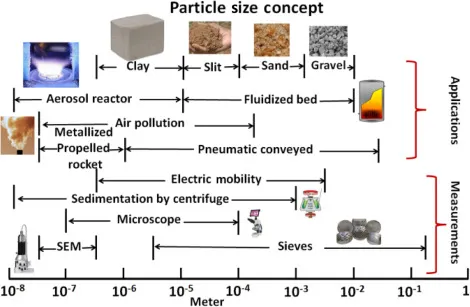
Το μέγεθος των σωματιδίων δεν είναι μια αυθαίρετη προδιαγραφή—ελέγχει άμεσα την απόδοση της μπαταρίας.
Για υλικά καθόδου (LMFP, LFP, NMC), το μέγεθος των σωματιδίων ελέγχει κυρίως:
Πυκνότητα συμπύκνωσης ηλεκτροδίων—πόση δραστική ουσία χωράει σε έναν δεδομένο όγκο
Δυνατότητα ρυθμού—πόσο γρήγορα μπορούν να κινηθούν τα ιόντα λιθίου μέσα και έξω
Τα λεπτότερα σωματίδια συσκευάζονται πιο αποτελεσματικά και έχουν μικρότερες διαδρομές διάχυσης λιθίου στερεάς κατάστασης, βελτιώνοντας την απόδοση γρήγορης φόρτισης. Ωστόσο, τα πολύ λεπτά σωματίδια έχουν επίσης μεγάλη επιφάνεια, η οποία αυξάνει τις πλευρικές αντιδράσεις με τον ηλεκτρολύτη και αυξάνει την απώλεια χωρητικότητας στον πρώτο κύκλο.
Η βέλτιστη D50 για τις περισσότερες χημικές ενώσεις καθόδου είναι 1–10 μικρά—αρκετά λεπτό για καλή ικανότητα ρυθμού, αλλά όχι τόσο λεπτό ώστε να κυριαρχεί η αντιδραστικότητα του ηλεκτρολύτη.
| Υλικό | Τυπικός στόχος D50 |
|---|---|
| LFP (στάνταρ) | 1–5 μm |
| Χαμηλού Επιπέδου FPF | 1–5 μm |
| NMC 622 / NMC 811 | 1–6 μm |
| Ανθρακικό λίθιο (πρόδρομος) | 2–5 μm |
Πηγή: Οδηγός βιομηχανικής επεξεργασίας
Οι προδιαγραφές μεγέθους σωματιδίων μπορούν να είναι τόσο αυστηρές όσο D50 ± 0,5 μικρά.
Γιατί Jet Mill αντί για Ball Mill;
Η άλεση με σφαιρίδια είναι η κυρίαρχη μέθοδος για τις ορυκτές σκόνες, αλλά εισάγει μόλυνση μετάλλου μέσω των μέσων και της φθοράς της επένδυσης. Ένα μόνο πέρασμα σε έναν χαλύβδινο σφαιρόμυλο μπορεί να προσθέσει εκατοντάδες ppm σιδήρου σε σκόνη καθόδου. Ακόμα και οι κεραμικοί σφαιρόμυλοι αφήνουν πίσω τους μόλυνση από ZrO₂ ή Al₂O₃ που διαταράσσει τη χημεία της μπαταρίας.
Η άλεση με τζετ αποφεύγει εντελώς αυτό:
Χωρίς μέσα λείανσης—τα σωματίδια τρίβονται μεταξύ τους σε ένα ρεύμα αερίου υψηλής ταχύτητας
Ελάχιστη μόλυνση—η μόνη στερεά επιφάνεια επαφής είναι το τοίχωμα του θαλάμου
Στενή κατανομή μεγέθους σωματιδίων—η ολοκληρωμένη ταξινόμηση διασφαλίζει συνεπή απόδοση
Αυτός είναι ο λόγος για τον οποίο η άλεση με ρευστοποιημένη κλίνη έχει γίνει η τυποποιημένη τεχνολογία σε όλη την αλυσίδα εφοδιασμού μπαταριών.
Τεχνολογικό Σημείο 1: Κεραμική Επένδυση
Το πρόβλημα
Κατά την εξαιρετικά λεπτή λείανση, οποιαδήποτε επαφή μετάλλου με υλικό μπορεί να εισαγάγει ακριβώς το είδος της μόλυνσης που απορρίπτουν οι κατασκευαστές μπαταριών. Τα συμβατικά χαλυβουργεία δημιουργούν τριβική φθορά που αυξάνει την περιεκτικότητα σε σίδηρο σε περιθώρια που αποτελούν κριτήριο άμεσης απόρριψης για τους κατασκευαστές ηλεκτρικών οχημάτων κατηγορίας 1.
Η Λύση: Ανταλλακτικά Επαφής με Κεραμική Επένδυση
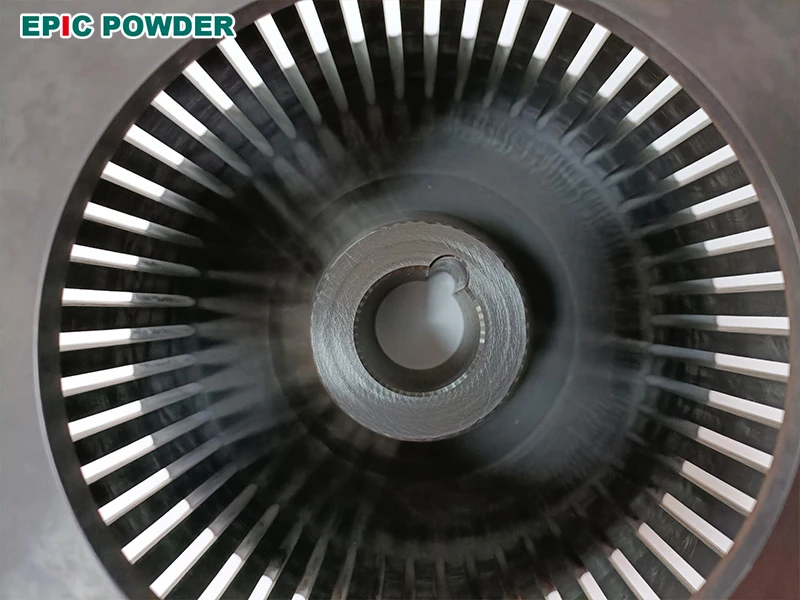
Η κεραμική επένδυση αντιμετωπίζει αυτό το πρόβλημα στην πηγή. Αντικαθιστώντας όλες τις μεταλλικές επιφάνειες επαφής με προηγμένα κεραμικά υλικά, το σύστημα εμποδίζει την είσοδο μόλυνσης στη ροή της σκόνης.
Epic Powder προσφέρει μύλους εκτόξευσης με κεραμική επένδυση, όπου όλα τα εξαρτήματα που έρχονται σε επαφή με το υλικό - συμπεριλαμβανομένης της επένδυσης, του μηχανισμού τροφοδοσίας, των ακροφυσίων και του τροχού ταξινόμησης - κατασκευάζονται από 99% κεραμικά αλουμίνας (Al₂O₃) ή ζιρκονίου (ZrO₂).
Βασικά οφέλη:
Αποτρέπει τη μόλυνση μετάλλων κατά τη διάρκεια της σύνθλιψης της ροής του αέρα κατά τη διάρκεια της ροής του αέρα με σύνθλιψη.
Υψηλή σκληρότητα και αντοχή στη φθορά ελαχιστοποιήστε τη φθορά και την εισαγωγή ξένων σωμάτων
Ιδανικό για υλικά υψηλής καθαρότητας στις βιομηχανίες μπαταριών και στις μη μεταλλευτικές βιομηχανίες
Παρατείνει τη διάρκεια ζωής του εξοπλισμού μειώνοντας τη φθορά σε κρίσιμα εξαρτήματα
Η κεραμική προστασία μειώνει επίσης την εισαγωγή ακαθαρσιών, με αποτέλεσμα μείωση των ρυθμών αυτοεκφόρτισης της μπαταρίας, παράταση της διάρκειας ζωής της και βελτίωση της ασφάλειας και της συνέπειας.
Περίπτωση εφαρμογής
Ένας κορυφαίος κατασκευαστής χημικών προϊόντων στο Wuxi της Κίνας, συνεργάστηκε με την Epic Powder για την παραγωγή Boehmite (AlOOH). Είναι ένα κρίσιμο υλικό που χρησιμοποιείται σε επιστρώσεις διαχωρισμού μπαταριών ιόντων λιθίου λόγω της εξαιρετικής αντοχής στη θερμότητα και της χημικής σταθερότητάς του.
Οι απαιτήσεις:
Συνεπής κατανομή μεγέθους σωματιδίων (PSD) για ομοιόμορφη επίστρωση
Μηδενική μεταλλική μόλυνση—ακόμα και ίχνη μετάλλων μπορούν να προκαλέσουν βραχυκυκλώματα
Σταθερή απόδοση για την κάλυψη αυξανόμενων παραγγελιών
Η λύσηΣύστημα άλεσης με τζετ MQW της Epic Powder, κατασκευασμένο με κεραμική επένδυση (αλουμίνα/ζιρκονία) για όλα τα μέρη επαφής, αποτρέποντας οποιαδήποτε επαφή με μεταλλικές επιφάνειες κατά την λείανση υψηλής ταχύτητας.
Τεχνικές παράμετροι:
Υλικό: Βοημίτης (AlOOH)
Μέγεθος σωματιδίων: D50 5,6 μm
Απόδοση: 280 kg/h
Τεχνολογικό Κύριο Σημείο 2: Κυκλοφορία Κλειστού Βρόχου Αζώτου
Το Πρόβλημα: Οξείδωση, Υγρασία και Κίνδυνος Έκρηξης
Κατά την εξαιρετικά λεπτή άλεση υλικών μπαταριών λιθίου, προκύπτουν διάφοροι κίνδυνοι:
ΟξείδωσηΤα οξείδια μετάλλων των μπαταριών λιθίου που εκτίθενται σε οξυγόνο μπορούν να προκαλέσουν βίαιες εξώθερμες αντιδράσεις
Απορρόφηση υγρασίαςΜετά την άλεση σε κλίμακα μικρών, οι σκόνες γίνονται εξαιρετικά αντιδραστικές και απορροφούν εύκολα υδρατμούς.
Κίνδυνος έκρηξης: Εξαιρετικά λεπτή σκόνη + οξυγόνο + πηγή ανάφλεξης = κίνδυνος έκρηξης σκόνης
Η χρήση ατμοσφαιρικού αέρα σε συμβατικούς μύλους με τζετ μπορεί να προκαλέσει καύση, έκρηξη ή οξείδωση των υλικών της μπαταρίας.
Η Λύση: Σύστημα Κλειστού Βρόχου Αζώτου
Ένα σύστημα κυκλοφορίας αζώτου κλειστού βρόχου αντιμετωπίζει και τα τρία ζητήματα ταυτόχρονα.
Πώς λειτουργεί:
Υποκατάσταση αζώτουΠριν από την εκκίνηση, ο αέρας εκτοπίζεται με άζωτο σε όλο το σύστημα κλειστού βρόχου
Παρακολούθηση σε πραγματικό χρόνοΈνα μόνιτορ οξυγόνου (ακρίβεια: 0,1 ppm) συνδέεται με το PLC για αυτόματη αναπλήρωση αζώτου όταν χρειάζεται
Ανακύκλωση κλειστού βρόχουΤο θρυμματισμένο άζωτο καθαρίζεται με κυκλωνικό διαχωριστή, σακόφιλτρο και συμπυκνωτή και στη συνέχεια επιστρέφει στο σύστημα για ανακύκλωση.
Βασικές προδιαγραφές:
| Παράμετρος | Προσδιορισμός |
|---|---|
| Περιεκτικότητα σε οξυγόνο | ≤ 10 ppm |
| Περιεκτικότητα σε υγρασία | < 0,02% |
| Απώλεια αδρανούς αερίου | < 5% (ανακύκλωση) |
Τριπλή προστασίαΤο σύστημα ενσωματώνει πλήρη κεραμική προστασία (θάλαμος σύνθλιψης, ακροφύσια, αγωγοί επενδεδυμένοι με κεραμικό οξείδιο του ζιρκονίου για την αποφυγή σπινθήρων τριβής μετάλλου) με ανακούφιση πίεσης (δίσκοι θραύσης στα 0,01 MPa) και αντιστατικά μέτρα.
Περίπτωση εφαρμογής: Λείανση LFP
Ένας πελάτης της Χουνάν χρησιμοποιεί τον μύλο αεροζόλ MQW40 της Epic Powder για την επεξεργασία φωσφορικού λιθίου-σιδήρου:
Η περιεκτικότητα σε οξυγόνο παραμένει κάτω από 8 ppm
Υγρασία κάτω από 0.02%
Η απόδοση σύνθλιψης αυξάνεται κατά 40%
Η ετήσια εξοικονόμηση κόστους αζώτου υπερβαίνει τα 50,5 εκατομμύρια γιουάν
Γιατί η επεξεργασία σκόνης είναι ο κρυφός παράγοντας ενεργοποίησης
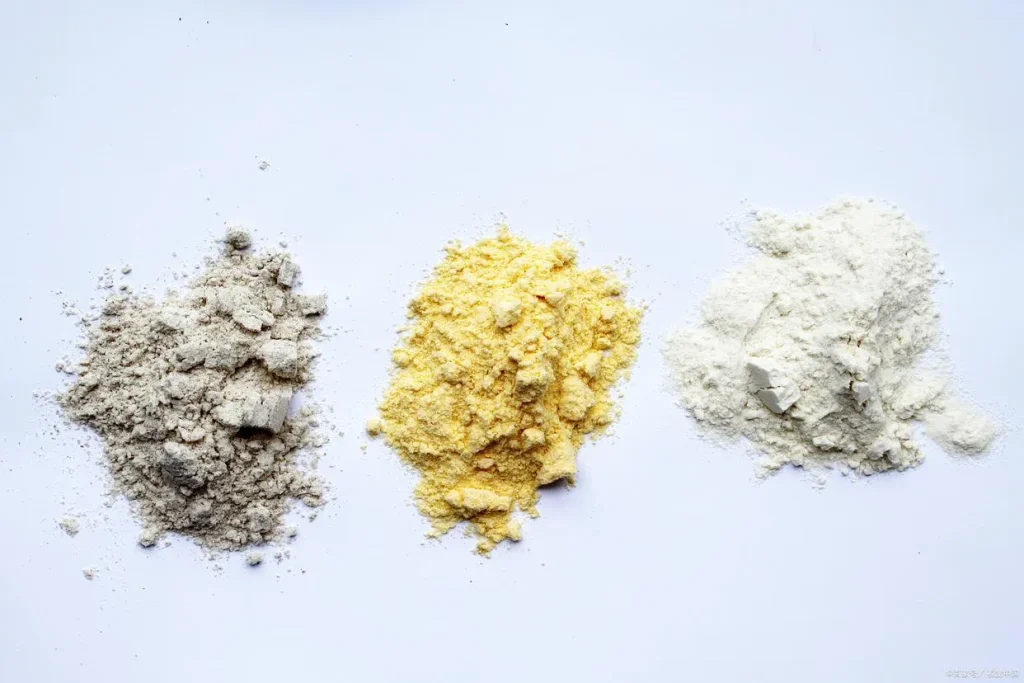
Η ώθηση της βιομηχανίας μπαταριών προς υψηλότερη ενεργειακή πυκνότητα, ταχύτερη φόρτιση και μεγαλύτερη διάρκεια ζωής δεν μπορεί να επιτύχει χωρίς εξελίξεις στην τεχνολογία επεξεργασίας σκόνης. Τα υλικά είναι τόσο καλά όσο και ο εξοπλισμός που τα επεξεργάζεται. Μια κάθοδος LMFP με εξαιρετικές ηλεκτροχημικές ιδιότητες είναι άχρηστη εάν φτάσει στον επικαλυπτήρα ηλεκτροδίων μολυσμένη με σωματίδια σιδήρου ή συσσωματωμένη σε ανώμαλα κομμάτια. Για τους παραγωγούς υλικών μπαταριών, η επένδυση σε συστήματα φρεζαρίσματος με κεραμική επένδυση, προστατευμένα από άζωτο είναι ένα πρέπει για την προμήθεια κατασκευαστών μπαταριών Tier-1.
Οι βασικές απαιτήσεις είναι σαφείς:
Έλεγχος μεγέθους σωματιδίων—Στόχοι D50 στην περιοχή 1–5 μm με στενή κατανομή
Μηδενική μεταλλική μόλυνση—κεραμική επένδυση για όλα τα μέρη επαφής
Προστασία από την οξείδωση—ατμόσφαιρα αζώτου με O₂ ≤ 10 ppm
Ασφάλεια—Σχεδιασμός με αντιεκρηκτική προστασία με μέτρα ανακούφισης πίεσης και αντιστατικά μέτρα
Αποδοτικότητα κόστους—ανακύκλωση αερίου κλειστού βρόχου με απώλεια <5%
Η ολοκληρωμένη λύση της Epic Powder
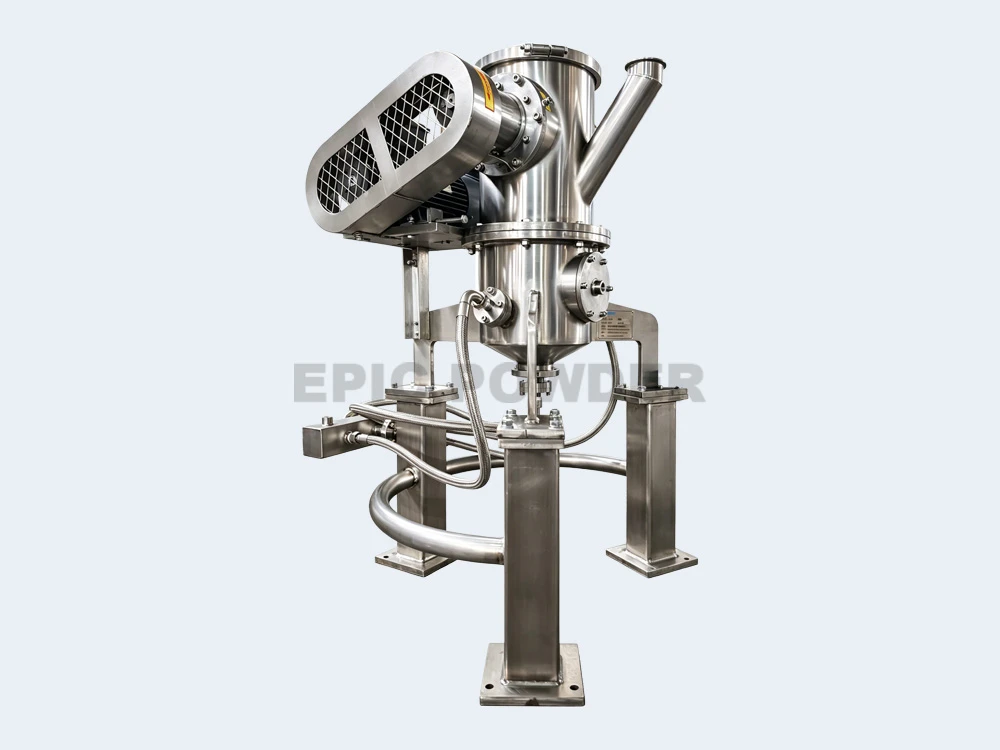
Epic Powder προσφέρει ολοκληρωμένες λύσεις για επεξεργασία υλικού μπαταρίας:
Σύστημα φρεζαρίσματος με τζετ MQW με κεραμική επένδυση (αλουμίνα/ζιρκονία) για όλα τα μέρη επαφής
Κυκλοφορία αζώτου σε κλειστό βρόχο με παρακολούθηση O₂ σε πραγματικό χρόνο (ακρίβεια 0,1 ppm) και απώλεια αερίου <5%
Πλήρης κεραμική προστασία για την αποφυγή σπινθήρων τριβής μετάλλου και μόλυνσης
Πιστοποίηση ATEX για αντιεκρηκτική προστασία
Λύσεις μίας στάσης που καλύπτουν τη συμπίεση, τον καθαρισμό, τη σύνθλιψη και την ανακύκλωση αζώτου
Το σύστημα έχει σχεδιαστεί για υλικά μπαταριών λιθίου, όπως LFP, LMFP, NMC, NCA, ανθρακικό λίθιο και υλικά επικάλυψης διαχωριστή.
Βασικές δυνατότητες:
Επίτευξη κατανομών D50 από 1 έως 25 μm
Λείανση χωρίς ρύπους με κεραμική επένδυση Al₂O₃
Κυκλοφορία αδρανούς αερίου κλειστού βρόχου συμβατή με άζωτο, αργό ή αέρα
Βελτιστοποιημένος σχεδιασμός που μειώνει την κατανάλωση ενέργειας
συμπέρασμα
Η μπαταρία Blade Battery 2.0 της BYD αντιπροσωπεύει ένα σημαντικό άλμα προόδου στην τεχνολογία μπαταριών EV—πυκνότητα ενέργειας 190–210 Wh/kg, φόρτιση πέντε λεπτών έως 70% και αυτονομία >1.000 km. Πίσω από αυτά τα επιτεύγματα βρίσκεται ένα σύστημα υλικών—κάθοδος LMFP με άνοδο πυριτίου-άνθρακα—που απαιτεί εξαιρετική καθαρότητα και ακριβής έλεγχος μεγέθους σωματιδίων.
Η ικανοποίηση αυτών των απαιτήσεων απαιτεί προηγμένο εξοπλισμό επεξεργασίας σκόνης. Μύλοι jet με κεραμική επένδυση αποτρέψτε τη μόλυνση των μετάλλων που διαφορετικά θα κατέστρεφε την απόδοση και την ασφάλεια της μπαταρίας. Κυκλοφορία αζώτου σε κλειστό βρόχο προστατεύει από την οξείδωση, την απορρόφηση υγρασίας και τον κίνδυνο έκρηξης.
Για τους παραγωγούς υλικών μπαταριών, η επιλογή εξοπλισμού λείανσης δεν είναι μια μικρή τεχνική απόφαση—είναι μια στρατηγικό που επηρεάζει άμεσα την ποιότητα του προϊόντος, το κόστος παραγωγής και την ικανότητα εφοδιασμού των πιο απαιτητικών κατασκευαστών ηλεκτρικών οχημάτων στον κόσμο.
Μάθετε πώς τα συστήματα άλεσης με ακροφύσιο της Epic Powder, με κεραμική επένδυση και προστασία από άζωτο, μπορούν να σας βοηθήσουν να επιτύχετε καθαρότητα και απόδοση επεξεργασίας ποιότητας μπαταρίας.
EPIC Powder
Στο Epic Powder, προσφέρουμε μια μεγάλη γκάμα μοντέλων εξοπλισμού και εξατομικευμένες λύσεις για να καλύψουμε τις συγκεκριμένες ανάγκες σας. Η ομάδα μας έχει περισσότερα από 20 χρόνια εμπειρίας στην επεξεργασία διαφόρων σκονών. Η Epic Powder ειδικεύεται στην τεχνολογία επεξεργασίας λεπτών σκονών για τη βιομηχανία ορυκτών, τη χημική βιομηχανία, τη βιομηχανία τροφίμων, τη φαρμακευτική βιομηχανία κ.λπ.
Επικοινωνήστε μαζί μας σήμερα για μια δωρεάν συμβουλευτική συνεδρία και εξατομικευμένες λύσεις!

«Ευχαριστώ που διαβάσατε. Ελπίζω το άρθρο μου να σας βοήθησε. Παρακαλώ αφήστε ένα σχόλιο παρακάτω. Μπορείτε επίσης επικοινωνήστε με την EPIC Εκπρόσωπος πελατών σε ηλεκτρονική μορφή για πούδρα Ζέλντα για τυχόν περαιτέρω ερωτήσεις.
— Τζέισον Γουάνγκ, Μηχανικός