
Тальк Тальк (3MgO·4SiO2·H2O) используется в качестве наполнителя в покрытиях по причинам, выходящим далеко за рамки экономии. Его слоистая структура, химическая инертность и липофильная поверхность придают ему функциональные свойства, которые другие наполнители не могут воспроизвести. К ним относятся барьерные свойства в антикоррозионных грунтовках, устойчивость к стеканию в системах с высокой толщиной слоя, придание блеска в тонких финишных покрытиях. Но эти свойства присущи не всем видам талька — они присущи тальку правильного размера частиц с неповрежденной слоистой структурой.
Размер частиц определяет роль талька в покрытии. Мелкий тальк (D50 1-5 микрон) улучшает блеск, устойчивость к осаждению и барьерные свойства. Крупный тальк (D50 более 15 микрон) обеспечивает матирование, устойчивость к стеканию и каркасную поддержку в толстых пленках. Между этими крайностями выбор значения D50 и качества распределения частиц по размерам являются основными факторами, определяющими состав. Неправильный выбор этих параметров напрямую влияет на коммерческие характеристики покрытия.
В этой статье представлены данные о том, как размер частиц талька влияет на конкретные свойства покрытия, и объяснены причины этого влияния. струйное фрезерование Это подходящая технология измельчения талька, предназначенного для нанесения покрытий. Она также позволяет получить реальные производственные параметры с установки струйной мельницы MQW60, обрабатывающей ультратонкий тальк для рынка покрытий.
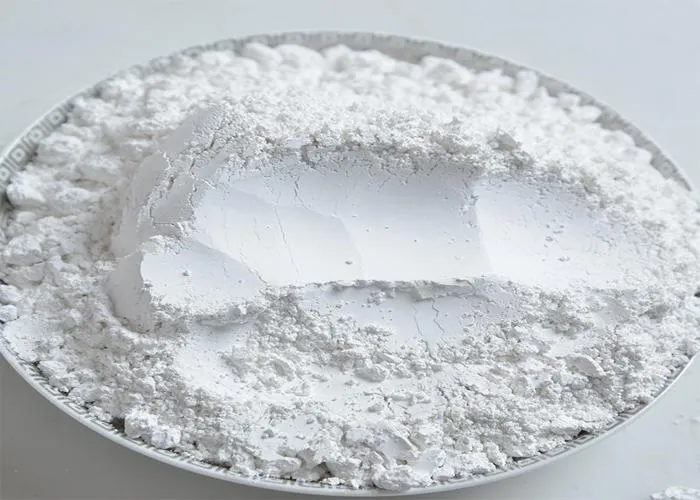
Размер частиц талька: роль каждого сорта в покрытии.
Тальк для покрытий условно делится на четыре класса по размеру частиц, каждый из которых подходит для различных применений и целевых показателей эффективности.
| Размерный класс | Диапазон D50 | Основные функции покрытия | Типичные сценарии применения |
| Грубый | > 15 мкм | Снижение затрат; эффект матирования; устойчивость к провисанию; поддержка каркаса в грунтовках с высокой плотностью покрытия. | Толстопленочные покрытия, антикоррозионные грунтовки, строительная шпатлевка |
| Середина | 5-15 мкм | Универсальный наполнитель; сбалансированное армирование и гладкость поверхности. | Промышленные грунтовки, покрытия для внутренних стен, ремонтные краски |
| Отлично | 1-5 мкм | Высокий блеск; гладкая поверхность; улучшенные барьерные свойства; устойчивость к осаждению. | Элитные краски для мебели Автомобильные промежуточные/верхние покрытия |
| Сверхтонкий / нано | < 1 мкм | Максимальное усиление; превосходные барьерные свойства; высококачественные антикоррозионные и специальные покрытия. | Прозрачные лаки с высокой прозрачностью, высокоэффективные финишные покрытия, специальные покрытия. |
Как размер частиц влияет на конкретные свойства покрытия
Блеск и гладкость поверхности
Зависимость между размером частиц талька и блеском прямая и хорошо задокументирована. Частицы, слишком крупные по отношению к толщине сухого слоя, создают неровности поверхности — микроскопические холмики и впадины, которые рассеивают свет и снижают зеркальное отражение. Когда D97 приближается к толщине сухого слоя или превышает её (обычно 25-75 микрон для одного слоя), блеск при 60 градусах может снизиться более чем на 20 GU даже в хорошо составленной системе.
Мелкодисперсный тальк с показателем D50 менее 5 микрон заполняет микропоры поверхности и способствует образованию более гладкой и ровной высохшей пленки. В акриловом финишном покрытии замена талька с показателем D50 10 микрон на тальк с показателем D50 2 микрона увеличивает блеск при 60 градусах примерно на 35%. Механизм заключается в выравнивании: мелкие частицы легче встраиваются в топологию поверхности влажной пленки по мере ее высыхания, уменьшая амплитуду шероховатости поверхности. Показатель D97 выше толщины пленки сразу указывает на то, что блеск будет снижен независимо от других вариантов состава.
Стабильность осадконакопления
Скорость осаждения подчиняется закону Стокса: она пропорциональна квадрату диаметра частицы. Это означает, что частица с D50 20 микрон оседает примерно в 16 раз быстрее, чем частица с D50 5 микрон в той же среде. На практике это приводит к значительной измеримой разнице в стабильности при хранении.
В эпоксидной грунтовочной системе с той же объемной нагрузкой 15% тальк с размером частиц D50 5 микрон приводит к увеличению объема осаждения примерно на 5% после 30 дней хранения. Тальк с размером частиц D50 20 микрон в той же системе приводит к увеличению объема осаждения на 25% за тот же период — увеличение объема осаждения на 80%. Практическое следствие заключается в том, что покрытие, приготовленное с использованием крупнозернистого талька, требует большего перемешивания перед нанесением для повторного диспергирования осевшего материала и может давать непостоянные свойства пленки, если оно не будет полностью диспергировано.
Реологические свойства и поведение при применении
По мере уменьшения размера частиц увеличивается удельная площадь поверхности, что усиливает взаимодействие между частицами талька и связующим веществом смолы и повышает вязкость системы. В алкидной системе при объемной загрузке 15% тальк с размером частиц D50 3 микрона демонстрирует вязкость по Брукфилду на 40-60% выше, чем тальк с размером частиц D50 15 микрон при эквивалентной загрузке. Это само по себе не является проблемой — более высокая вязкость при низких скоростях сдвига улучшает сопротивление стеканию и стабильность к осаждению, — но это необходимо учитывать при составлении рецептуры. Использование мелкодисперсного талька в системе, предназначенной для крупнодисперсного талька, без корректировки уровня смолы и баланса растворителей, как правило, приводит к получению покрытия, слишком вязкого для предполагаемого метода нанесения.
Крупнозернистый тальк (D50 выше 15 микрон) вносит иной реологический вклад: он создает в толстых пленках сетчатую структуру или ‘скелет’, физически препятствующий провисанию. Именно поэтому крупнозернистый тальк часто используется в прочных грунтовках и толстых покрытиях, где толщина пленки составляет 100-500 микрон, а устойчивость к провисанию является основным требованием к составу.
Барьерные свойства и коррозионная стойкость
Слоистая (пластинчатая) морфология талька лежит в основе его барьерных свойств. Когда плоские частицы талька ориентируются параллельно поверхности покрытия — что происходит естественным образом во время образования пленки, поскольку плоская геометрия аэродинамически и гравитационно выгодна — они создают ‘извилистый путь’, который существенно увеличивает эффективное расстояние диффузии воды, кислорода и ионных частиц через покрытие.
Эффективность этого барьера зависит как от размера частиц, так и от соотношения сторон. Мелкодисперсный пластинчатый тальк (D50 1-3 микрона) образует больше слоев в пределах заданной толщины пленки, чем крупнозернистый тальк, создавая более параллельные барьеры и более длинный путь диффузии. Ультратонкий тальк (D50 приблизительно 1 микрон) в эпоксидной грунтовке обеспечивает меньшую ползучесть ржавчины в местах царапин при испытаниях в солевом тумане по сравнению со среднезернистым тальком (D50 приблизительно 10 микрон) — снижение ползучести с приблизительно 4 мм до 2,0-2,8 мм. Это непосредственно измеримая разница в качестве антикоррозионных свойств грунтовки.
Мелкодисперсный тальк также более плотно обволакивает антикоррозионные пигменты, такие как фосфат цинка, повышая эффективность упаковки пигмента и увеличивая критическую объемную концентрацию пигмента (КПВК) системы. Более высокая КПВК означает, что разработчик рецептуры может поддерживать те же антикоррозионные свойства при несколько меньшем содержании связующего вещества, что является экономическим преимуществом в рецептурах грунтовок с высокой концентрацией пигмента.
Почему слоистая структура талька должна сохраняться во время измельчения?

Описанные выше барьерные и армирующие свойства зависят от сохранения тальком своей естественной пластинчатой морфологии в процессе измельчения. Кристаллическая структура талька состоит из слоев силиката магния, которые относительно легко раскалываются параллельно базальной плоскости. Именно это придает тальку характерную мягкость (по шкале Мооса 1) и пластинчатость. Высокоинтенсивное механическое измельчение, при котором частицы талька прижимаются к твердым поверхностям, разрушает эти пластины поперек базальной плоскости, уменьшая соотношение сторон (отношение диаметра пластины к ее толщине) и напрямую ухудшая барьерные и армирующие свойства.
Наиболее распространенными виновниками являются шаровые и молотковые мельницы: они создают сжимающие и ударные силы, которые разрушают кристаллы талька как по плоскостям спайности, так и вдоль них. Тальк, обработанный в шаровой мельнице, может иметь правильное значение D50 по данным лазерной дифракции, но значительно меньшее соотношение сторон, чем тот же материал, обработанный струйной мельницей. Меньшее соотношение сторон означает меньшие барьерные свойства покрытия, что не отразится в отчете PSD, но проявится в испытании на солевое распыление.
Как струйная обработка сохраняет ламеллярную структуру
В струйной мельнице с псевдоожиженным слоем тальк измельчается исключительно за счет столкновений частиц, без механических измельчающих поверхностей в зоне измельчения. Струи сжатого газа разгоняют частицы талька до высокой скорости в сходящихся потоках. При столкновении частиц друг с другом разрушение происходит преимущественно вдоль самой слабой структурной плоскости, которой для талька является базальная плоскость скола между слоями. Это расслоение, а не разрушение поперек слоев: соотношение сторон сохраняется или даже увеличивается по мере истончения частицы и сохранения диаметра пластины.
Встроенное динамическое классификационное колесо выполняет вторую важнейшую функцию: оно точно устанавливает показатель D97 продукта и удаляет соответствующие спецификации частицы из зоны измельчения, как только они достигают целевого размера. Это предотвращает чрезмерное измельчение — частицы, уже достигшие целевого размера, не подвергаются дальнейшим столкновениям, которые могли бы повредить слоистую структуру. В результате получается тальк с целевым показателем D50 и сохраненным соотношением сторон, что и требуется для рецептуры покрытия.
| Струйная мельница против шаровой мельницы для талька, пригодного для нанесения покрытий. Механизм измельчения: Струйная мельница: столкновение частиц вдоль базальных плоскостей скола — сохраняет соотношение сторон. Шаровая мельница: удары металлических тел по всем плоскостям — уменьшает соотношение сторон. Загрязнение металлами: Струйная мельница: отсутствует (нет контакта металла в зоне измельчения). Шаровая мельница: износ стальных или керамических тел способствует загрязнению металлом — снижает белизну. Управление D97: Струйная мельница: встроенный классификатор обеспечивает жесткий верхний предел размера частиц. Шаровая мельница: требуется внешний классификатор; менее точная на мелких частицах. Температура: Струйная мельница: адиабатическое расширение сжатого газа создает охлаждающий эффект — термической деградации не происходит. Шаровая мельница: при длительной работе накапливается тепло от трения. Диапазон размеров частиц талька: Струйная мельница: D50 0,5-15 микрон (обычно). Шаровая мельница: D50 выше 5 микрон (практично); ниже 5 микрон (неэффективно и сопряжено с высоким риском загрязнения). |
ПРИМЕР ИЗ ПРАКТИКИ
Струйная мельница с псевдоожиженным слоем MQW60 — тальк D50 2,5 мкм для рынка покрытий
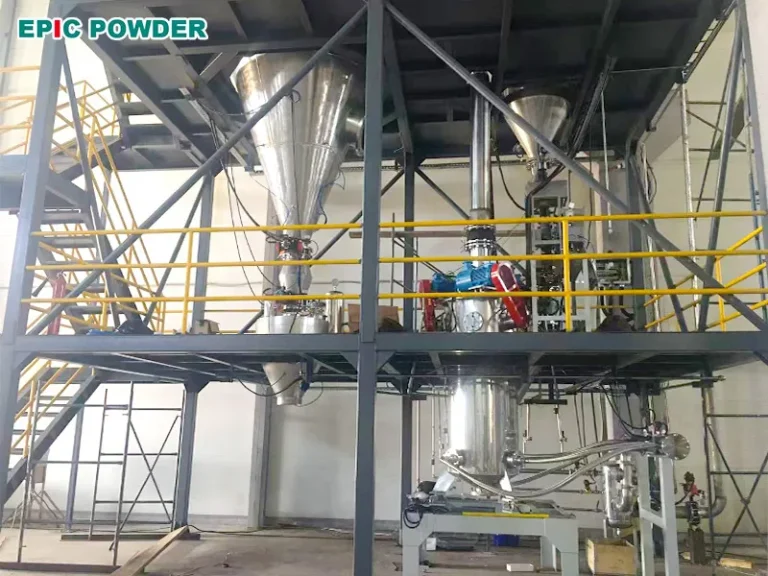
Требования к проекту
Предприятию по переработке талька, поставляющему продукцию в лакокрасочную промышленность, требовалось стабильное производство ультратонкого талька с размером частиц D50 2,5 микрона и узким распределением по размерам для нанесения высокоглянцевых и высокобарьерных покрытий. Требования были следующими: D50 2,5 микрона, D97, регулируемый от 2 до 45 микрон для различных марок продукции, обработка без загрязнений для сохранения белизны талька и сохранение ламеллярной структуры, подтвержденное с помощью сканирующей электронной микроскопии (СЭМ).
Конфигурация оборудования
| Параметр | Спецификация |
| модель оборудования | Струйная мельница с псевдоожиженным слоем MQW60 |
| Мишень D50 | 2,5 микрона |
| Размер корма | Менее 3 мм |
| Ассортимент продукции D97 | 2-45 микрон (регулируется скоростью классификатора) |
| Емкость при D50 2,5 мкм | 600-1000 кг/ч |
| Расход воздуха | 60 м3/мин |
| Давление воздуха | 0,7-0,85 МПа |
| Установленная мощность | 415 кВт |
| Контактные части | Покрытие из керамики (оксид алюминия) — нулевое содержание металлических примесей. |
Выбор правильного размера частиц талька для вашего покрытия
Выбор обусловлен конкретными задачами, а не общим предпочтением более тонкой конструкции. Ключевые критерии:
- Глянцевые финишные покрытия и автомобильные отделочные материалы: D50 1-3 микрона, D97 менее 8 микрон. Размер частиц, превышающий толщину сухой пленки, снизит блеск независимо от других параметров состава.
- Антикоррозионные грунтовки: Для достижения максимальной барьерной эффективности D50 составляет 1-5 микрон. Ультратонкий тальк (D50 приблизительно 1 микрон) обеспечивает заметно лучшие результаты при солевом тумане, чем тальк средней фракции. Сохранение ламеллярной структуры во время измельчения так же важно, как и достижение целевого значения D50.
- Универсальные промышленные грунтовки: D50 5-10 микрон — это практичный баланс между барьерными свойствами, регулированием вязкости и возможностями диспергирующего оборудования. Большинство стандартных диспергирующих устройств справляются с этим диапазоном без специальных диспергаторов.
- Толстостенные покрытия и грунтовки (толщина слоя >100 микрон): D50 10-20 микрон для обеспечения каркасной поддержки и устойчивости к провисанию. Крупные частицы образуют физическую сетку, которая препятствует провисанию толстых пленок.
- Применение ковриков: D50 выше 15 микрон. Частицы, выступающие из поверхности высушенной пленки, рассеивают свет; это механизм образования матовой поверхности. Мелкодисперсный тальк не образует матовой поверхности независимо от его количества.
| Как обрабатывать тальк для нанесения покрытий? ЭПИК Порошок Струйные мельницы с псевдоожиженным слоем серии MQW от компании Machinery специально разработаны для талька, сохраняя слоистую структуру и соотношение сторон, которые определяют барьерные и армирующие свойства покрытий. Мы предлагаем бесплатные пробные измельчения — пришлите нам исходный тальк с целевым значением D50, и мы предоставим данные о распределении частиц по размерам (PSD), изображения SEM, подтверждающие сохранение слоистой структуры, и рекомендуемую конфигурацию процесса. Укажите целевое значение D50, тип покрытия (грунтовка, финишное покрытие, антикоррозионное) и требуемую производительность, и мы подберем подходящую модель MQW. Закажите бесплатную пробную помолку талька: www.jet-mills.com/contact Ознакомьтесь с нашим ассортиментом струйных мельниц MQW для талька: www.jet-mills.com |
Часто задаваемые вопросы
Какой показатель D50 следует указать для талька в антикоррозионной эпоксидной грунтовке?
Для обеспечения антикоррозионных свойств целевым показателем является D50 1-5 микрон, при этом более мелкие частицы обеспечивают лучшие барьерные свойства. При D50 приблизительно 1 микрон мелкие пластинчатые частицы талька упаковываются в несколько параллельных слоев внутри грунтовочной пленки, создавая значительно более длинный диффузионный путь для воды, кислорода и ионных частиц. Данные испытаний в солевом тумане показывают, что у 30-50% меньше ползучести ржавчины в местах нанесения царапин для ультратонкого талька (D50 около 1 микрона) по сравнению со средним тальком (D50 около 10 микрон) при одинаковой загрузке. Практическое ограничение заключается в дисперсии: ультратонкий тальк имеет большую удельную площадь поверхности и сильное ван-дер-ваальсово притяжение между частицами, что требует эффективного оборудования для высокоскоростной дисперсии и соответствующего диспергирующего агента. Для разработчиков рецептур без шаровой мельницы или возможности высокоскоростной дисперсии D50 2-5 микрон является более практичным значением, обеспечивающим значительно лучшие барьерные свойства, чем крупнозернистый тальк, без проблем с дисперсией в диапазоне менее 1 микрона.
Почему струйное измельчение предпочтительнее шарового измельчения для получения тонкого талька для покрытий?
Шаровая мельница измельчает тальк за счет ударов между подаваемым тальком и твердыми измельчающими элементами (стальными или керамическими шариками). Ударные силы действуют во всех направлениях, что приводит к разрушению кристаллов талька по всей толщине слоев и уменьшению соотношения сторон. Шаровая мельница также вносит загрязнения: даже керамические элементы вносят измеримые частицы Al2O3 или ZrO2 в результате износа, а стальные элементы вносят железо, которое снижает белизну.
При размере частиц менее D50 (5 микрон) шаровое измельчение становится неэффективным, поскольку размер частиц мелющей среды становится неблагоприятно большим по сравнению с размером измельчаемых частиц, и время измельчения резко возрастает. Струйное измельчение измельчает тальк за счет столкновений частиц, что концентрирует энергию разрушения вдоль самых слабых структурных плоскостей — базальных плоскостей скола между силикатными слоями. Это приводит к преимущественному расслоению тальковых пластин, а не к их разрушению поперек, сохраняя соотношение сторон. Загрязнение мелющей среды отсутствует, поскольку мелющая среда отсутствует. Встроенный классификатор быстро удаляет частицы, соответствующие заданным параметрам, предотвращая чрезмерное измельчение, которое повредило бы слоистую структуру даже в струйной мельнице.
Эпический порошок
В Эпический порошок, Мы предлагаем широкий выбор моделей оборудования и разрабатываем индивидуальные решения, отвечающие вашим конкретным потребностям. Наша команда имеет более чем 20-летний опыт в обработке различных порошков. Компания Epic Powder специализируется на технологиях обработки мелкодисперсных порошков для горнодобывающей, химической, пищевой, фармацевтической и других отраслей промышленности.
Связаться с нами Получите бесплатную консультацию и индивидуальные решения уже сегодня!

Спасибо за прочтение. Надеюсь, моя статья вам поможет. Пожалуйста, оставьте комментарий ниже. Вы также можете свяжитесь с EPIC Представитель по работе с клиентами Powder Online Зельда для любых дальнейших запросов».
— Джейсон Ван, Инженер