
วัสดุสำหรับแบตเตอรี่ลิเธียมไอออนและโซเดียมไอออนต้องการกระบวนการผลิตอนุภาคที่เข้มงวดมาก ข้อกำหนดขนาดอนุภาคอาจเข้มงวดถึงระดับ D50 ±0.5 ไมครอน ข้อจำกัดเรื่องการปนเปื้อนของโลหะก็เข้มงวดไม่แพ้กัน สำหรับวัสดุแคโทด ปริมาณเหล็ก (Fe) ต้องต่ำกว่า 10–50 ppm สำหรับเกรดที่มีนิกเกลสูง ข้อจำกัดคือต่ำกว่า 5 ppm การบดต้องรักษาสภาพโครงสร้างผลึกและเคมีพื้นผิวไว้ด้วย นั่นคือเหตุผลว่าทำไม การกัดด้วยเจ็ทแบบฟลูอิไดซ์เบด ปัจจุบันเทคโนโลยีนี้กลายเป็นมาตรฐานในห่วงโซ่อุปทานแบตเตอรี่แล้ว.
ข้อได้เปรียบหลักคือการไม่มีวัสดุบด การบดด้วยลูกบอลเป็นวิธีการหลักสำหรับผงแร่ แต่การบดด้วยลูกบอลจะทำให้เกิดการปนเปื้อนของโลหะผ่านวัสดุบดและการสึกหรอของแผ่นรอง การบดเพียงครั้งเดียวในเครื่องบดลูกบอลเหล็กสามารถเพิ่มปริมาณเหล็กได้หลายร้อย ppm ในผงแคโทด NMC แม้แต่เครื่องบดลูกบอลเซรามิกก็ยังทิ้งการปนเปื้อนของ ZrO₂ หรือ Al₂O₃ ที่รบกวนเคมีของแบตเตอรี่ การบดด้วยเจ็ทหลีกเลี่ยงปัญหานี้ได้อย่างสมบูรณ์ อนุภาคจะบดกันเองในกระแสแก๊สความเร็วสูง พื้นผิวสัมผัสที่เป็นของแข็งเพียงอย่างเดียวคือผนังห้องที่บุด้วยเซรามิก.
ด้านล่างนี้ เราจะกล่าวถึงข้อกำหนดเฉพาะในการแปรรูปสำหรับวัสดุหลักที่ใช้ในการผลิตแบตเตอรี่ ได้แก่ วัสดุแคโทด วัสดุแอโนด และผงเคลือบตัวแยก สำหรับแต่ละประเภท คุณจะพบเป้าหมาย D50 ขีดจำกัดการปนเปื้อน และข้อควรพิจารณาที่สำคัญในการแปรรูป.
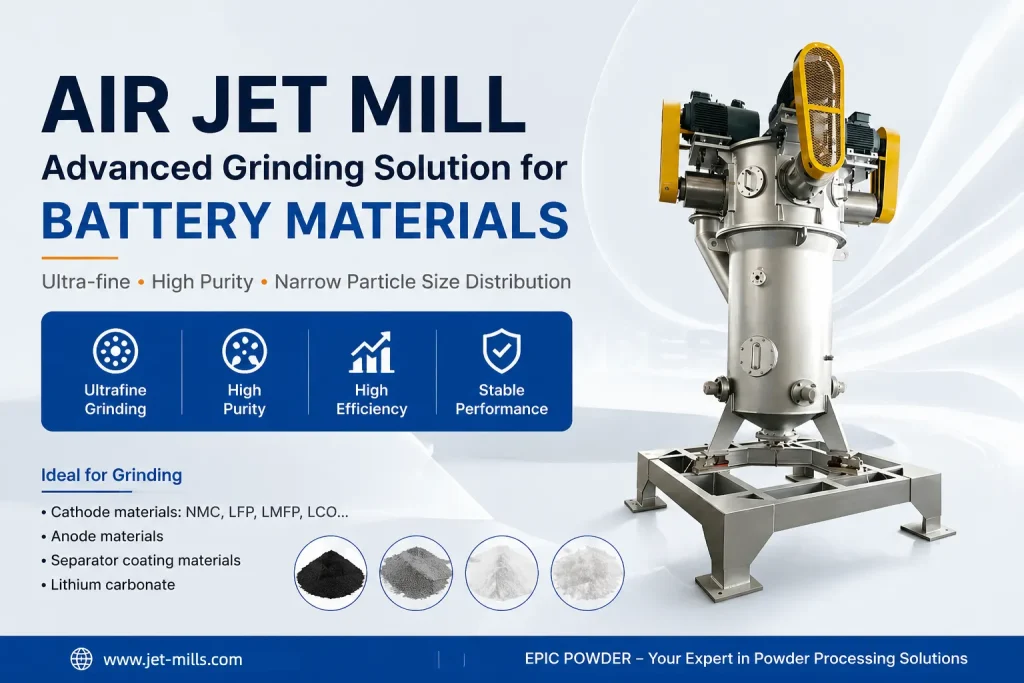
เหตุใดขนาดอนุภาคจึงมีความสำคัญแตกต่างกันสำหรับวัสดุแบตเตอรี่แต่ละชนิด
ก่อนที่จะกล่าวถึงวัสดุแต่ละชนิด เราควรทำความเข้าใจก่อนว่าขนาดอนุภาคมีบทบาทอย่างไรในแต่ละส่วนของเซลล์ คำตอบจะแตกต่างกันสำหรับแคโทด แอโนด และตัวแยก และการเข้าใจเรื่องนี้จะทำให้ข้อกำหนด D50 มีความหมายมากกว่าเป็นเพียงตัวเลขที่กำหนดขึ้นเอง.
- วัสดุแคโทด: ขนาดอนุภาคเป็นปัจจัยหลักที่ควบคุมความหนาแน่นของการอัดตัวของอิเล็กโทรดและความสามารถในการชาร์จ/คายประจุ อนุภาคที่ละเอียดกว่าจะเรียงตัวได้อย่างมีประสิทธิภาพมากกว่าและมีเส้นทางการแพร่ของลิเธียมในสถานะของแข็งที่สั้นกว่า ทำให้ประสิทธิภาพการชาร์จเร็วดีขึ้น แต่ในขณะเดียวกัน วัสดุแคโทดที่ละเอียดมากก็จะมีพื้นที่ผิวสูง ทำให้เกิดปฏิกิริยาข้างเคียงกับอิเล็กโทรไลต์มากขึ้นและทำให้การสูญเสียความจุในรอบแรกเพิ่มขึ้น ขนาด D50 ที่เหมาะสมสำหรับเคมีแคโทดส่วนใหญ่คือ 1-10 ไมครอน ซึ่งละเอียดพอที่จะให้ความสามารถในการชาร์จ/คายประจุที่ดี แต่ไม่ละเอียดเกินไปจนปฏิกิริยาของอิเล็กโทรไลต์มีบทบาทเด่นกว่า.
- วัสดุขั้วบวก: สำหรับกราไฟต์ ขนาดอนุภาคเป็นตัวควบคุมสมดุลระหว่างความหนาแน่นของพลังงาน (โดยอนุภาคขนาดใหญ่จะมีค่าความหนาแน่นสูงกว่า) และความสามารถในการจ่ายกระแสไฟฟ้า (โดยอนุภาคขนาดเล็กจะมีเส้นทางการแพร่ของลิเธียมสั้นกว่า) สำหรับซิลิคอนคาร์บอนและคาร์บอนแข็ง ขนาดอนุภาคยังส่งผลต่อความเค้นทางกลระหว่างการเปลี่ยนแปลงปริมาตรในกระบวนการลิเธียมไอออนไนเซชันด้วย — อนุภาคขนาดเล็กจะทนต่อการขยายตัวและการหดตัวได้ดีกว่า ค่า D50 สำหรับกราไฟต์แอโนดเชิงพาณิชย์ส่วนใหญ่คือ 10-20 ไมครอน สำหรับการใช้งานที่ต้องการการชาร์จเร็ว จะอยู่ที่ 5-12 ไมครอน.
- วัสดุเคลือบแผ่นกั้น: ขนาดอนุภาคของผงเคลือบเซรามิก (โบห์ไมต์ อลูมินา) เป็นตัวกำหนดความหนาและความสม่ำเสมอของชั้นเคลือบ หากค่า D97 เกินกว่าข้อกำหนดความหนาของชั้นเคลือบ (โดยทั่วไปคือ 2-4 ไมครอนต่อด้าน) อนุภาคแต่ละตัวจะยื่นออกมาจากชั้นเคลือบและทำให้เกิดจุดบกพร่อง ดังนั้น ค่า D97 จึงเป็นข้อกำหนดหลักที่สำคัญกว่าค่า D50 สำหรับการใช้งานนี้.
วัสดุแคโทด: การเปลี่ยนแปลงทางเคมีเป็นอย่างไร
| วัสดุแคโทด | D50 ทั่วไป | ขีดจำกัด Fe | ข้อควรพิจารณาที่สำคัญในการประมวลผล |
| NMC 622 / NMC 811 | 1-6 ไมโครเมตร | < 10 ppm | เหล็กกล้าที่มีนิกเกิลสูงมีความไวต่อความชื้น บรรยากาศไนโตรเจนจึงเป็นสิ่งจำเป็น |
| NMC 111 / NCA | 2-8 ไมโครเมตร | < 30 ppm | ไวต่อความชื้นน้อยกว่าแบบที่มีนิกเกิลสูง วัสดุบุผิวเซรามิกมาตรฐานก็เพียงพอแล้ว |
| แอลเอฟพี (มาตรฐาน) | 1-5 ไมโครเมตร | < 50 ppm | วัตถุประสงค์หลักคือการลดการจับตัวเป็นก้อนหลังการเผาผนึก; ขีดจำกัดแข็งของ D97 มีความสำคัญ |
| LMFP | 1-5 ไมโครเมตร | < 30 ppm | คล้ายกับ LFP แต่มีขีดจำกัดของ Fe ที่เข้มงวดกว่าเนื่องจากความไวต่อการละลายของ Mn |
| แอลซีโอ (ลิเธียมโคบอลต์ออกไซด์) | 2-8 ไมโครเมตร | < 50 ppm | เป้าหมายคือความหนาแน่นการอัดแน่นสูง และช่วงขนาดอนุภาคแคบเพื่อให้ได้อิเล็กโทรดที่สม่ำเสมอ |
| ลิเธียมคาร์บอเนต (สารตั้งต้น) | 2-5 ไมโครเมตร | < 10 ppm (เกรด 5N) | วัตถุดิบสำหรับการสังเคราะห์ — ความบริสุทธิ์มีความสำคัญพอๆ กับขนาดอนุภาค |
แคโทดที่มีนิกเกิลสูง: เหตุใดบรรยากาศไนโตรเจนจึงเป็นสิ่งที่ขาดไม่ได้
NMC 811 (80% นิกเกิล) และ NCA เป็นวัสดุแคโทดที่มีความหนาแน่นพลังงานสูงที่สุดที่มีจำหน่ายในเชิงพาณิชย์ แต่ก็เป็นวัสดุที่มีปฏิกิริยาทางเคมีกับความชื้นและออกซิเจนสูงที่สุดเช่นกัน การสัมผัสกับอากาศในระหว่างหรือหลังการบดจะทำให้เกิดการชะล้างลิเธียมที่พื้นผิว — การก่อตัวของ Li2CO3 และ LiOH บนพื้นผิวของอนุภาค — ซึ่งจะทำให้ค่า pH สูงขึ้น ทำให้เกิดการจับตัวเป็นเจลของสารละลายอิเล็กโทรด และลดประสิทธิภาพในรอบแรก ผลกระทบนี้สามารถวัดได้แม้หลังจากสัมผัสกับอากาศที่มีความชื้นสูงเพียงไม่กี่นาที.
สำหรับวัสดุเหล่านี้ เครื่องบดแบบเจ็ทต้องทำงานในวงจรไนโตรเจนแบบปิด: ก๊าซบด อากาศสำหรับเครื่องคัดแยก และก๊าซลำเลียงผลิตภัณฑ์ ล้วนเป็นไนโตรเจน โดยทั่วไปมีความเข้มข้นของออกซิเจนต่ำกว่า 100 ppm ตลอดทั้งระบบ ผลิตภัณฑ์จะถูกเก็บรวบรวมในภาชนะปิดผนึกโดยไม่ทำลายบรรยากาศไนโตรเจน วิธีนี้เพิ่มความซับซ้อนของอุปกรณ์และต้นทุนการดำเนินงาน แต่เป็นสิ่งที่หลีกเลี่ยงไม่ได้สำหรับกระบวนการผลิตแคโทดที่มีนิกเกิลสูง.
LFP: การแยกกลุ่มอนุภาคมากกว่าการบด
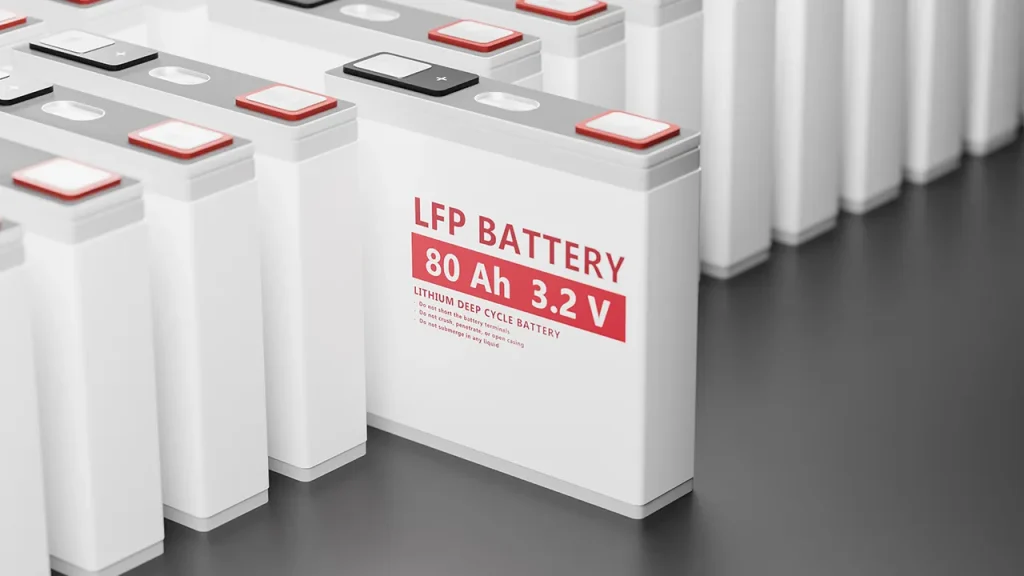
ลิเธียมไอรอนฟอสเฟต (LFP) สังเคราะห์ขึ้นโดยปฏิกิริยาของแข็งหรือวิธีการไฮโดรเทอร์มอล และออกจากเตาเผาผนึกในรูปของกลุ่มอนุภาคปฐมภูมิที่รวมตัวกัน อนุภาคปฐมภูมิหลังการเผาผนึกมีขนาดอยู่ในช่วง 100-500 นาโนเมตร ซึ่งละเอียดเพียงพอสำหรับประสิทธิภาพของแบตเตอรี่ แต่กลุ่มอนุภาคที่รวมตัวกันอาจมีขนาด 20-100 ไมครอน วัตถุประสงค์ของการบดด้วยเจ็ทคือการทำลายกลุ่มอนุภาค: การทำลายพันธะระหว่างอนุภาคที่อ่อนแอในกลุ่มอนุภาคที่รวมตัวกันโดยไม่ทำให้อนุภาคปฐมภูมิแตกหัก.
นี่เป็นข้อกำหนดการบดที่ไม่รุนแรงนัก เครื่องบดแบบเจ็ทแบบฟลูอิไดซ์เบดที่ความดันก๊าซปานกลาง (4-5 บาร์) มีประสิทธิภาพในการสลายการจับตัวเป็นก้อนของ LFP ตัวแยกขนาดอนุภาคแบบบูรณาการจะกำหนดขีดจำกัด D97 ที่เข้มงวด ซึ่งป้องกันไม่ให้กลุ่มอนุภาคขนาดใหญ่เข้าไปในกระแสผลิตภัณฑ์ ผลลัพธ์ที่ได้คือผลิตภัณฑ์ที่มี D50 ที่ถูกต้อง (โดยทั่วไปคือ 1-5 ไมครอนสำหรับ LFP เชิงพาณิชย์) และได้รับการยืนยันแล้วว่าไม่มีกลุ่มอนุภาคขนาดใหญ่ที่จะทำให้เกิดข้อจำกัดด้านความสามารถในการทำงานของอิเล็กโทรดสำเร็จรูป.
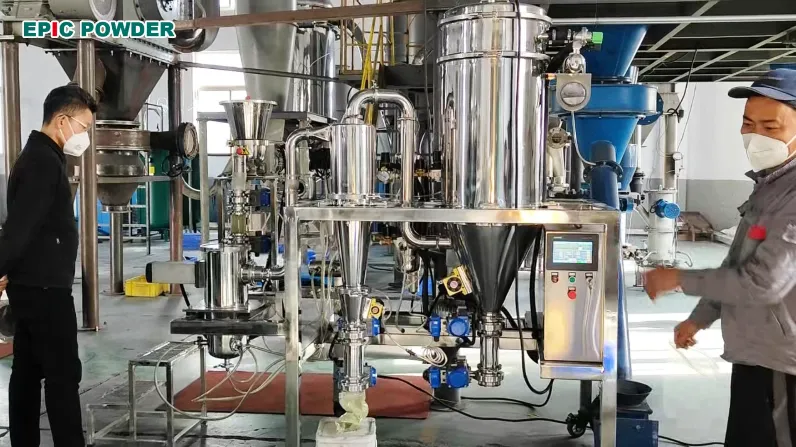
วัสดุขั้วบวก: กราไฟต์, ซิลิคอนคาร์บอน และคาร์บอนแข็ง
กราไฟต์ธรรมชาติและกราไฟต์สังเคราะห์
วัสดุแอโนดกราไฟต์สำหรับแบตเตอรี่ลิเธียมไอออนต้องผ่านกระบวนการทำให้เป็นทรงกลมก่อนการบดด้วยเจ็ทมิลล์ โดยกราไฟต์เกล็ดดิบจะถูกทำให้กลมด้วยกลไกเพื่อเพิ่มความหนาแน่นและลดความไม่สม่ำเสมอของรูปร่างแผ่นแบน การบดกราไฟต์ด้วยเจ็ทมิลล์มีบทบาทสองประการคือ การปรับขนาดอนุภาคขั้นสุดท้ายหลังจากการทำให้เป็นทรงกลม และการกำจัดเศษผงละเอียด (เศษผงคล้ายเปลือกมันฝรั่งที่เกิดขึ้นระหว่างการทำให้เป็นทรงกลม ซึ่งหากปล่อยทิ้งไว้จะเพิ่มพื้นที่ผิวของอิเล็กโทรดและบริโภคลิเธียมในการก่อตัวของ SEI).
สำหรับการใช้งานขั้วบวกกราไฟต์แบบมาตรฐาน ค่า D50 จะอยู่ที่ 10-20 ไมครอน สำหรับการใช้งานที่ต้องการการชาร์จเร็วและกำลังไฟสูง ค่า D50 จะกำหนดเป้าหมายไว้ที่ 5-12 ไมครอน เครื่องคัดแยกแบบเจ็ทมิลล์จะให้ค่า D97 ซึ่งเป็นการตัดอนุภาคขนาดใหญ่เกินไปอย่างชัดเจน สามารถเพิ่มเครื่องคัดแยกด้วยลมหรือเครื่องแยกอนุภาคละเอียดลงไปเพื่อกำจัดอนุภาคขนาดเล็กกว่าเกณฑ์ขนาดขั้นต่ำ ทำให้ได้ช่วงการกระจายขนาดอนุภาคที่แคบลง แทนที่จะเป็นการตัดขนาดสูงสุดที่ D97 เพียงอย่างเดียว.
ขั้วบวกคอมโพสิตซิลิคอน-คาร์บอน
ซิลิคอนจะขยายตัวประมาณ 300% ตามปริมาตรในระหว่างกระบวนการลิเธียมไอออนไนเซชัน ซึ่งทำให้เกิดการแตกร้าวของอนุภาคและก่อให้เกิดการก่อตัวของ SEI อย่างต่อเนื่องบนพื้นผิวที่สัมผัสใหม่ ซึ่งเป็นสาเหตุหลักของการลดลงของความจุในขั้วบวกซิลิคอน การออกแบบวัสดุคอมโพสิตซิลิคอน-คาร์บอนจะฝังอนุภาคนาโนซิลิคอนไว้ในเมทริกซ์คาร์บอนที่รองรับการขยายตัว ขนาดอนุภาคของคอมโพสิตจะเป็นตัวกำหนดการกระจายความเค้นในระหว่างการใช้งาน: อนุภาคคอมโพสิตขนาดเล็กจะมีเส้นทางความเค้นภายในที่สั้นกว่าและทนต่อการขยายตัวและการหดตัวซ้ำๆ ได้ดีกว่า.
การบดด้วยเจ็ทของวัสดุคอมโพสิตซิลิคอน-คาร์บอนต้องควบคุมแรงดันอย่างระมัดระวัง เมทริกซ์คาร์บอนค่อนข้างอ่อนและโดเมนซิลิคอนแข็ง แรงดันการบดที่มากเกินไปจะทำให้เมทริกซ์คาร์บอนแตกและเปิดเผยพื้นผิวซิลิคอน ทำให้พื้นที่ผิวที่ทำปฏิกิริยาเพิ่มขึ้นและลดอายุการใช้งาน เป้าหมายคือการบรรลุขนาดอนุภาค D50 ที่ต้องการ (โดยทั่วไป 5-12 ไมครอน) โดยไม่ทำลายโครงสร้างของวัสดุคอมโพสิต แรงดันแก๊สที่ต่ำกว่า (4-5 บาร์) และเวลาในการอยู่ในระบบที่สั้นกว่า — ซึ่งทำได้โดยการตั้งค่าตัวคัดแยกที่ละเอียดกว่าซึ่งจะกำจัดอนุภาคออกอย่างรวดเร็ว — เหมาะสำหรับวัสดุนี้.
คาร์บอนแข็งสำหรับขั้วบวกของแบตเตอรี่โซเดียมไอออน
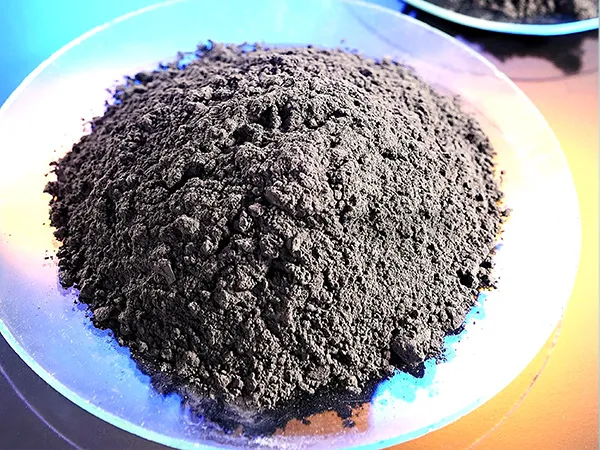
คาร์บอนแข็ง เป็นวัสดุแอโนดชั้นนำสำหรับแบตเตอรี่โซเดียมไอออน ประสิทธิภาพคูลอมบิกเริ่มต้น (ICE) ซึ่งก็คือสัดส่วนของโซเดียมที่ถูกใส่เข้าไปในการชาร์จครั้งแรกและถูกกู้คืนในการคายประจุครั้งแรกนั้น ถูกจำกัดโดยการก่อตัวของฟิล์ม SEI บนพื้นผิวคาร์บอนและการดักจับโซเดียมอย่างถาวรในรูพรุนขนาดเล็ก กลไกทั้งสองนี้ยิ่งแย่ลงไปอีกเนื่องจากพื้นที่ผิวจำเพาะสูงและรูปร่างอนุภาคที่ไม่สม่ำเสมอที่มีความหนาแน่นของข้อบกพร่องสูง.
การบดคาร์บอนแข็งด้วยเจ็ทมิลลิ่งภายใต้ความดันที่ควบคุมได้ ช่วยลดขนาดและทำให้เกิดทรงกลมบางส่วนโดยไม่ทำให้โครงสร้างรูพรุนเสียหายเหมือนกับการบดด้วยลูกบอลที่มากเกินไป รูพรุนปิด (เส้นผ่านศูนย์กลาง 2-3 นาโนเมตร) ที่กักเก็บโซเดียมที่ศักย์ไฟฟ้าต่ำจะต้องได้รับการรักษาไว้ตลอดขั้นตอนการบด บรรยากาศไนโตรเจนระหว่างการบดด้วยเจ็ทมิลลิ่งช่วยป้องกันการออกซิเดชันของพื้นผิวคาร์บอนที่เพิ่งถูกเปิดเผย ซึ่งจะทำให้เกิดหมู่ฟังก์ชันที่มีออกซิเจนเป็นองค์ประกอบ ซึ่งจะเพิ่มการก่อตัวของ SEI และลด ICE.
วัสดุเคลือบแผ่นกั้น: โบห์ไมต์และอลูมินาความบริสุทธิ์สูง
การเคลือบผงเซรามิกหนา 1-4 ไมครอนลงบนแผ่นกั้นโพลีเอทิลีนหรือโพลีโพรพีลีน จะช่วยเพิ่มอุณหภูมิเริ่มต้นของการหดตัวเนื่องจากความร้อนของแผ่นกั้นจากประมาณ 130 องศาเซลเซียส เป็นมากกว่า 200 องศาเซลเซียส ขอบเขตความทนทานต่อความร้อนนี้เป็นประโยชน์ด้านความปลอดภัยหลักของแผ่นกั้นเคลือบเซรามิกในเซลล์พลังงานสูง วัสดุเคลือบที่ใช้กันทั่วไปสองชนิดคือ โบห์ไมต์ (AlO(OH)) และอัลฟา-อะลูมินา (Al2O3).
ข้อกำหนด D97 เป็นพารามิเตอร์ที่สำคัญยิ่งสำหรับผงเคลือบแผ่นกั้น – สำคัญกว่า D50 หากอนุภาคแต่ละตัวมีขนาดเกินความหนาของชั้นเคลือบ (2-4 ไมครอนต่อด้าน) อนุภาคเหล่านั้นจะทะลุผ่านชั้นเคลือบที่แห้งแล้วและสร้างจุดบกพร่องทางกลที่ลดความต้านทานการเจาะของแผ่นกั้น สำหรับชั้นเคลือบ 2 ไมครอน ค่า D97 ต้องต่ำกว่า 2-3 ไมครอนอย่างสม่ำเสมอโดยไม่มีค่าผิดปกติ.
โบห์ไมต์ (ความแข็งโมห์ 3-4) ต้องการการบดที่อ่อนโยนกว่าอะลูมินา (ความแข็งโมห์ 9) และต้องดำเนินการในลักษณะที่รักษาน้ำในโครงสร้างไว้ — ปฏิกิริยาการคายน้ำแบบดูดความร้อน AlO(OH) ที่ดูดซับความร้อนอย่างแข็งขันในระหว่างการเกิดความร้อนสูงเกินไป เป็นกลไกความปลอดภัยที่สำคัญ และการคายน้ำบางส่วนไปเป็น Al2O3 ในระหว่างกระบวนการจะทำให้คุณสมบัตินี้เสื่อมลง บรรยากาศไนโตรเจนแห้งและความดันก๊าซปานกลางเป็นมาตรฐานสำหรับการบดแบบเจ็ทของโบห์ไมต์ สำหรับอัลฟาอะลูมินาที่มีความบริสุทธิ์ 5N สำหรับตัวแยก EV ระดับไฮเอนด์ ข้อกำหนดด้านการปนเปื้อน (Fe ต่ำกว่า 5-10 ppm) ทำให้การบดแบบเจ็ทที่ปราศจากการปนเปื้อนเป็นทางเลือกการบดแห้งที่ใช้งานได้จริงเพียงอย่างเดียว.
การกำหนดค่าอุปกรณ์สำหรับการบดวัสดุแบตเตอรี่ด้วยเจ็ท
| องค์ประกอบการกำหนดค่า | ตัวเลือกมาตรฐาน | ข้อกำหนดด้านวัสดุของแบตเตอรี่ |
| การบุผนังห้อง | เหล็กกล้าคาร์บอน | เซรามิก (Al2O3 หรือ ZrO2) — จำเป็นสำหรับความบริสุทธิ์ |
| ล้อจำแนกประเภท | เหล็กกล้าอัลลอยมาตรฐาน | เคลือบเซรามิกหรือเซรามิกล้วน — ป้องกันการปนเปื้อนของธาตุเหล็ก |
| ก๊าซบด | อากาศอัด | ไนโตรเจนสำหรับแคโทดที่มีนิกเกลสูง คาร์บอนแข็ง ซิลิคอน-C |
| การตรวจสอบ O2 | ไม่จำเป็น | เซ็นเซอร์วัดออกซิเจนแบบออนไลน์ในวงจรไนโตรเจนหมุนเวียน |
| คอลเลกชันสินค้า | ถุงกรองมาตรฐาน | ภาชนะปิดผนึกที่อัดด้วยไนโตรเจน ป้องกันการรั่วไหลของอากาศ |
| ช่วงความดันก๊าซ | 5-8 บาร์ (มาตรฐานน้ำแร่) | 4-7 บาร์ (เหมาะสำหรับวัสดุคอมโพสิตและโบห์ไมต์) |
| การควบคุม D50 | ตัวจำแนก VFD | เหมือนกัน — แต่ค่าความคลาดเคลื่อนแคบกว่า: ± 0.3-0.5 ไมโครเมตร เทียบกับ ± 2 ไมโครเมตรสำหรับแร่ |
| การแปรรูปวัสดุสำหรับทำแบตเตอรี่ด้วยเครื่องบดเจ็ท? ผงเอพิค เครื่องบดแบบเจ็ทฟลูอิไดซ์เบดซีรีส์ MQW ของ Machinery ออกแบบมาสำหรับวัสดุแคโทด วัสดุแอโนด ผงเคลือบตัวแยก และผงเคมีอื่นๆ สำหรับแบตเตอรี่ เรามีบริการบดทดสอบฟรี เพียงส่งวัสดุของคุณมาพร้อมกับค่า D50 เป้าหมาย ข้อกำหนดความบริสุทธิ์ และระบุว่าต้องการบรรยากาศไนโตรเจนหรือไม่ เราจะส่งข้อมูล PSD แบบเต็มรูปแบบ การวิเคราะห์การปนเปื้อน ICP และการกำหนดค่าที่แนะนำกลับไปให้คุณ แจ้งวัสดุของคุณ (NMC, LFP, กราไฟต์, ซิลิคอนคาร์บอน, โบห์ไมต์ หรืออื่นๆ) ค่า D50 และ D97 เป้าหมาย ปริมาณการผลิตต่อปี และขีดจำกัดการปนเปื้อน. ขอรับบริการทดสอบการเจียรวัสดุสำหรับแบตเตอรี่ฟรี: www.jet-mills.com/contact-us สำรวจเครื่องบดเจ็ท MQW รุ่นต่างๆ ของเราสำหรับวัสดุแบตเตอรี่: www.jet-mills.com/สินค้า |
คำถามที่พบบ่อย
วัสดุสำหรับแบตเตอรี่ชนิดใดบ้างที่ต้องใช้บรรยากาศไนโตรเจนระหว่างกระบวนการบดด้วยเจ็ท และเพราะเหตุใด?
วัสดุสำหรับผลิตแบตเตอรี่ 3 ประเภท จำเป็นต้องใช้บรรยากาศไนโตรเจนระหว่างกระบวนการบดด้วยเจ็ทมิลล์ด้วยเหตุผลที่แตกต่างกัน.
ประการแรก วัสดุแคโทดที่มีนิกเกลสูง (NMC 811, NMC 622, NCA): วัสดุเหล่านี้ทำปฏิกิริยากับความชื้นและ CO2 ในอากาศที่พื้นผิวที่บดใหม่ ทำให้เกิด Li2CO3 และ LiOH ซึ่งทำให้ประสิทธิภาพทางเคมีไฟฟ้าลดลงและทำให้เกิดการจับตัวเป็นเจลของสารละลายอิเล็กโทรด ความเข้มข้นของออกซิเจนในวงจรการบดต้องต่ำกว่า 100 ppm ในระหว่างกระบวนการและระหว่างการเก็บรวบรวมผลิตภัณฑ์.
ประการที่สอง คาร์บอนแข็งสำหรับขั้วบวกของแบตเตอรี่โซเดียมไอออน: พื้นผิวคาร์บอนที่เพิ่งถูกเปิดเผยจากการบดจะทำปฏิกิริยากับออกซิเจน ทำให้เกิดหมู่ฟังก์ชันที่มีออกซิเจน ซึ่งจะเพิ่มการก่อตัวของฟิล์ม SEI ในเซลล์ที่เสร็จสมบูรณ์และลดประสิทธิภาพคูลอมบิกเริ่มต้น บรรยากาศไนโตรเจนระหว่างการบดจะช่วยป้องกันการเกิดออกซิเดชันของพื้นผิวนี้.
ประการที่สาม ขั้วบวกซิลิคอนและซิลิคอน-คาร์บอนคอมโพสิต: พื้นผิวซิลิคอนจะเกิดปฏิกิริยาออกซิเดชันอย่างรวดเร็วในอากาศ ทำให้เกิดชั้น SiO2 ซึ่งลดความสามารถในการรับลิเธียมและเพิ่มการสูญเสียในรอบแรก บรรยากาศไนโตรเจนระหว่างการบดและการจัดการผลิตภัณฑ์จะช่วยรักษาสภาพทางเคมีของพื้นผิวซิลิคอน วัสดุขั้วลบ เช่น LFP และ LCO มาตรฐาน ผงเคลือบตัวแยก (โบห์ไมต์ อลูมินา) และวัสดุตั้งต้น เช่น ลิเธียมคาร์บอเนต โดยทั่วไปสามารถแปรรูปได้ในอากาศโดยใช้เซรามิกเป็นตัวควบคุมความบริสุทธิ์หลัก.
ขีดจำกัดการปนเปื้อนในทางปฏิบัติของเหล็กในผงแคโทด NMC คือเท่าใด และเหตุใดขีดจำกัดจึงขึ้นอยู่กับปริมาณนิกเกล?
ขีดจำกัดการปนเปื้อนของธาตุเหล็กสำหรับ แคโทด NMC โดยทั่วไปผงโลหะจะมีข้อกำหนดดังนี้: NMC 111 (นิกเกล 33%) ที่มีเหล็กต่ำกว่า 30 ppm; NMC 622 (นิกเกล 60%) ที่มีเหล็กต่ำกว่า 15 ppm; NMC 811 (นิกเกล 80%) ที่มีเหล็กต่ำกว่า 10 ppm ข้อจำกัดที่เข้มงวดขึ้นเมื่อปริมาณนิกเกลเพิ่มขึ้นสะท้อนให้เห็นถึงสองปัจจัย ประการแรก วัสดุ NMC ที่มีนิกเกลสูงมีความไวต่อโครงสร้างมากกว่า: การแทนที่เหล็กในตำแหน่งของนิกเกลในโครงสร้างผลึกออกไซด์แบบชั้นจะรบกวนการขนส่งลิเธียมและเร่งการลดลงของความจุอย่างรุนแรงมากขึ้นในองค์ประกอบที่มีนิกเกลสูงกว่าในองค์ประกอบที่มีนิกเกลต่ำกว่า ประการที่สอง อัตราการสลายตัวของอิเล็กโทรไลต์ที่ผิวแคโทดจะเพิ่มขึ้นตามปริมาณนิกเกล — ปฏิกิริยาข้างเคียงใดๆ ที่เร่งปฏิกิริยาโดยเหล็กจะถูกขยายให้มากขึ้นในวัสดุที่มีนิกเกลสูง.
ผลที่ตามมาในทางปฏิบัติสำหรับการเลือกใช้เครื่องบดแบบเจ็ทคือ กระบวนการผลิต NMC 811 ต้องใช้การบุห้องบดด้วยเซรามิกทั้งหมด ล้อคัดแยกเซรามิก และการทดสอบการปนเปื้อนที่ได้รับการตรวจสอบโดย ICP-MS ในแต่ละชุดการผลิต สำหรับ NMC 111 และ LFP มาตรฐานที่ 50 ppm การบุด้วยเซรามิกคุณภาพสูงพร้อมล้อคัดแยกสแตนเลสโดยทั่วไปก็เพียงพอแล้ว โดยควรตรวจสอบเป็นระยะๆ แทนที่จะตรวจสอบทุกชุดการผลิต.
เครื่องบดแบบเจ็ทเครื่องเดียวสามารถรองรับวัสดุแบตเตอรี่หลายประเภทได้หรือไม่ และมีข้อกำหนดอย่างไรในการเปลี่ยนวัสดุ?
เครื่องบดแบบเจ็ทเครื่องเดียวสามารถแปรรูปวัสดุแบตเตอรี่ได้หลายประเภทด้วยขั้นตอนการเปลี่ยนวัสดุที่เหมาะสม แต่ข้อจำกัดในทางปฏิบัติจะขึ้นอยู่กับวัสดุที่กำลังเปลี่ยนไปใช้ ปัญหาที่สำคัญที่สุดคือการปนเปื้อนข้าม: สารตกค้างของ NMC ในระบบที่แปรรูป LFP ต่อไป จะทำให้เกิด Ni, Co และ Mn ในระดับปริมาณเล็กน้อย ซึ่งเป็นสิ่งที่ยอมรับไม่ได้ในผลิตภัณฑ์ลิเธียมเหล็กฟอสเฟตที่ลูกค้าคาดหวังว่าจะไม่มี Ni หรือ Co.
ขั้นตอนการเปลี่ยนวัสดุแบตเตอรี่มาตรฐานมีดังนี้:
1) ล้างเครื่องบดและท่อเชื่อมต่อทั้งหมดด้วยวัตถุดิบที่เข้ามาในปริมาณเล็กน้อย (อย่างน้อย 5-10 กิโลกรัม ขึ้นอยู่กับขนาดของเครื่องบด) 2) รวบรวมและทดสอบวัตถุดิบที่ใช้ล้างด้วยเครื่อง ICP-MS เพื่อยืนยันว่าสิ่งปนเปื้อนจากวัตถุดิบก่อนหน้าได้ถูกกำจัดออกไปแล้ว 3) จากนั้นจึงเริ่มปล่อยผลิตภัณฑ์ตั้งแต่ล็อตที่สองเป็นต้นไป.
สำหรับกระบวนการผลิตปริมาณมากที่เกี่ยวข้องกับเคมีของแคโทดหรือแอโนดหลายชนิด การใช้เครื่องบดเฉพาะสำหรับแต่ละประเภทวัสดุถือเป็นมาตรฐานอุตสาหกรรม เนื่องจากความเสี่ยงจากการปนเปื้อนข้าม ความซับซ้อนของขั้นตอน และการสูญเสียผลผลิตระหว่างการเปลี่ยนประเภทวัสดุ ล้วนเป็นปัจจัยที่ทำให้การใช้เครื่องจักรเฉพาะทางเหมาะสมกว่าเมื่อปริมาณการผลิตเอื้ออำนวย ส่วนเครื่องบดแบบใช้ร่วมกันนั้นเหมาะสมสำหรับงานวิจัยและพัฒนาปริมาณน้อยและการผลิตในระดับนำร่อง ซึ่งต้นทุนวัสดุทำให้การใช้เครื่องจักรเฉพาะทางไม่คุ้มค่า.
ผงมหากาพย์
ผงมหากาพย์, มีประสบการณ์มากกว่า 20 ปีในอุตสาหกรรมผงละเอียดพิเศษ ส่งเสริมการพัฒนาผงละเอียดพิเศษในอนาคตอย่างแข็งขัน โดยมุ่งเน้นที่กระบวนการบด การโม่ การคัดแยก และการปรับปรุงคุณสมบัติของผงละเอียดพิเศษ. ติดต่อเรา รับคำปรึกษาฟรีและโซลูชันที่ปรับแต่งได้ตามความต้องการ! ทีมผู้เชี่ยวชาญของเราทุ่มเทเพื่อมอบผลิตภัณฑ์และบริการคุณภาพสูง เพื่อเพิ่มมูลค่าสูงสุดให้กับกระบวนการแปรรูปผงของคุณ.

ขอบคุณที่อ่าน ฉันหวังว่าบทความของฉันจะเป็นประโยชน์ โปรดแสดงความคิดเห็นด้านล่าง คุณยังสามารถ ติดต่อ EPIC ตัวแทนลูกค้าออนไลน์ของ Powder เซลดา หากต้องการสอบถามเพิ่มเติม”
- เจสัน หว่อง, วิศวกร