
Functional materials represent one of the most dynamic sectors in polymer research, development, and production. Ultrafine powder is not only a functional material in its own right but also a critical component in advanced composite materials. Its unique properties allow it to play a vital role across various sectors of the global economy.
I. Properties and Applications of Ultrafine Powders
1. Surface Characteristics
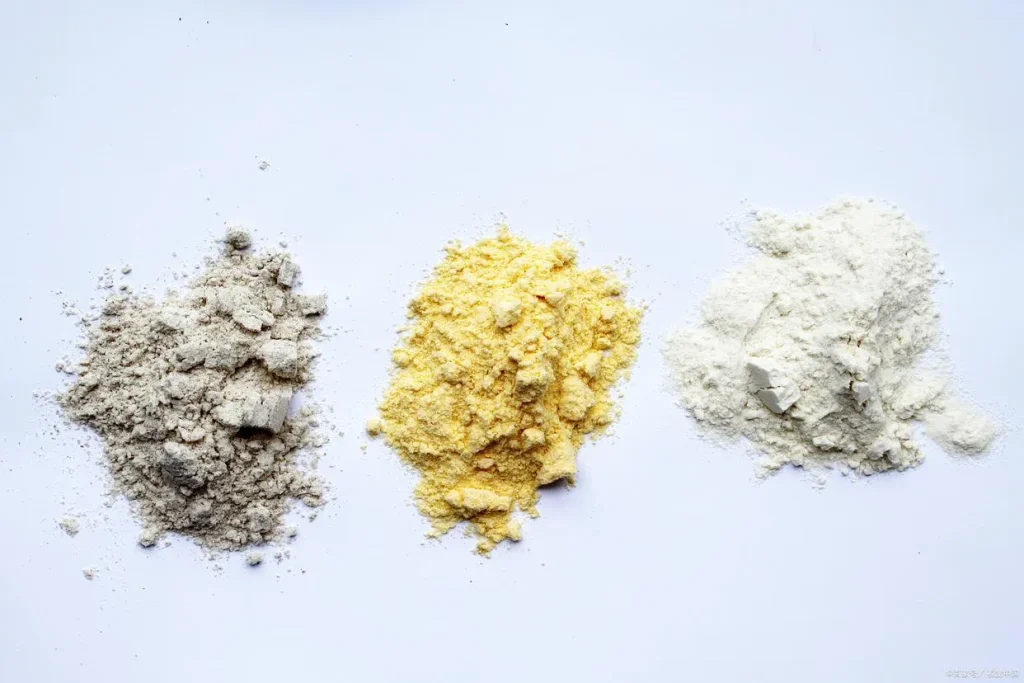
Ultrafine powder science and technology have emerged as a new discipline in recent years and form an essential part of materials science. Although definitions vary, powders with particle sizes >1 μm are generally called micron powders; those between 0.1 μm and 1 μm are submicron powders; and those <100 nm are nanopowders. Some also classify powders <3 μm as ultrafine powders. There are three types of ultrafine powders: micron, submicron, and nano powders. The relationship between particle size and properties is as follows.
| Particle Size Range | Classification | Typical Characteristics |
| >1 μm | Micron powder | Limited surface effects |
| 0.1–1 μm | Submicron powder | Significant surface activity |
| <100 nm | Nano powder | Dominant surface & quantum effects |
2. Surface Structure and Chemical Activity
Crystalline structures—categorized as close-packed, skeletal, layered, or chain structures—break along their weakest bonding points when subjected to external force. This cleavage creates unsaturated bonds (uncompensated broken bonds) on the fresh surface.
- High Unsaturation: Surfaces dominated by ionic or covalent bonds result in polar surfaces.
- Low Unsaturation: Surfaces dominated by molecular bonds result in non-polar surfaces.
The distribution and density of these surface functional groups determine how the powder interacts with polymers and other matrices.
3. Key Industrial Applications
(1) Plastics and Polymers
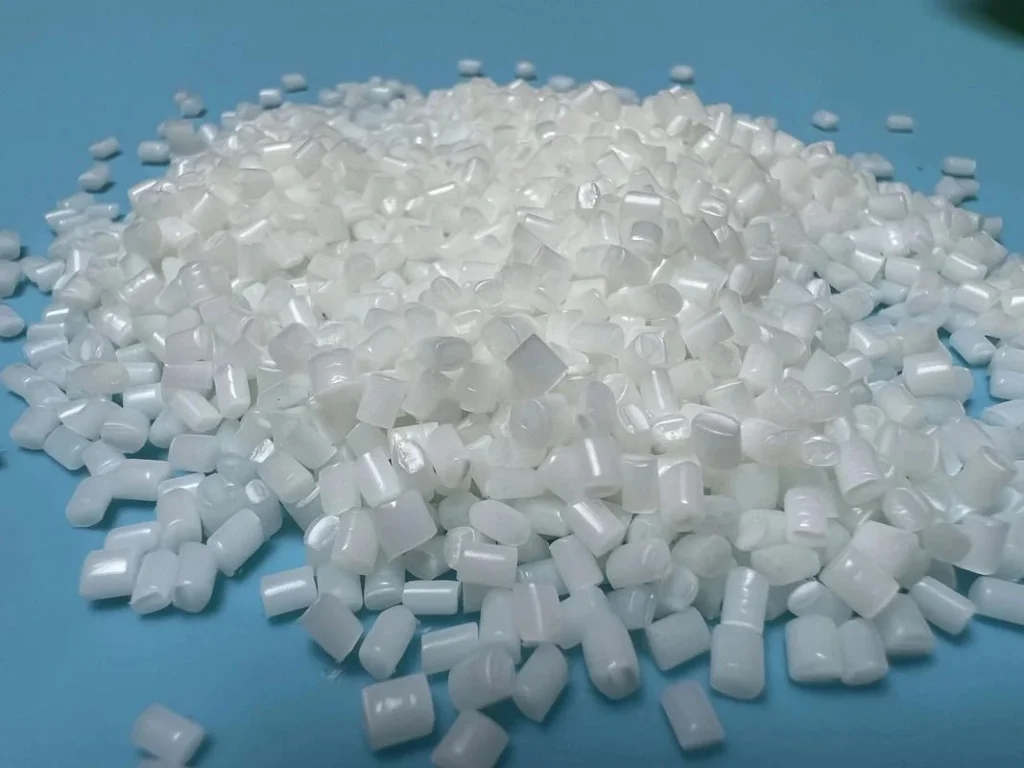
In the chemical industry, ultrafine powders play an important role in coatings, rubber, papermaking, and synthetic fibers. In plastics, they act as reinforcing and toughening agents. For example, surface-modified Nano Calcium Carbonate significantly improves the notched impact strength of materials while maintaining excellent processability. They also prevent UV aging and enable functional features like antistatic, flame retardant, and self-cleaning properties.
(2) Catalysts
Due to their large specific surface area and incomplete surface atomic coordination, ultrafine powders exhibit increased active sites and high catalytic activity and selectivity. Nanoscale catalysts are regarded as fourth‑generation catalysts internationally. They dramatically increase reaction rates, shorten reaction times, and improve production efficiency. For instance, the calorific value per gram of fuel can double.
(3) Advanced Coatings

Ultrafine powders are used to prepare nano‑modified and nano‑structured coatings. By incorporating nanoparticles, conventional coatings gain improved optical, mechanical, and environmental properties. Examples include nano‑ceramic coatings, non‑stick coatings, self‑cleaning coatings, and aerospace ablation‑resistant coatings.
(4) Ceramics and Sensors
Ceramics: High surface energy, abundant surface atoms, and high activity allow ultrafine powders to act as sintering activators—accelerating sintering, shortening processing time, and lowering sintering temperatures. They also refine microstructure and enhance performance, enabling densification at lower temperatures – ideal for electronic ceramics.
Special functional materials: The surface properties of ultrafine powders make them highly sensitive to temperature, light, humidity, etc. Environmental changes rapidly alter surface or ion valence states and electron transport, leading to significant resistance changes. This makes them promising for high‑response, high‑sensitivity, selective sensors.
(5) Daily Chemicals and Cosmetics
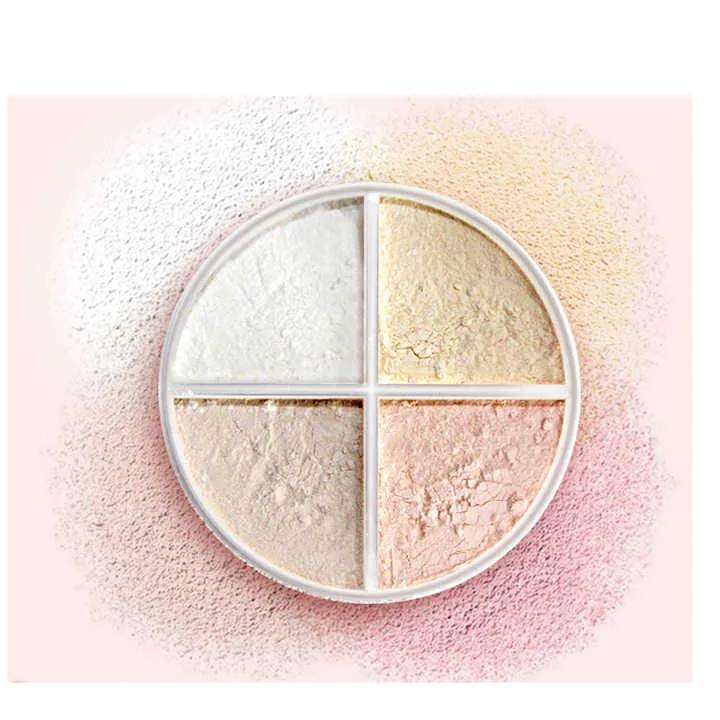
Nanotechnology offers great potential in antibacterial, deodorizing, and air purification applications. Nano‑TiO₂ and nano‑ZnO have demonstrated photocatalytic and bactericidal effects in air purifiers, washing machines, refrigerators, toothbrushes, towels, and more. In skincare and cosmetics, ultrafine powders play a key role – for example, nano‑TiO₂ in sunscreen lotions improves quality and sun protection efficiency. Toothpaste, shampoo, dish soap, and cleaning powders also benefit from ultrafining, which greatly enhances performance.
(6) Medicine and Biotechnology
Ultrafine particles are revolutionary for targeted drug delivery. Because they are biocompatible and can be absorbed by specific organs (liver, spleen, etc.), they allow for controlled-release systems that maintain effective drug concentrations over longer periods, improving bioavailability.
II. Mechanisms of Surface Modification in Powder Filling
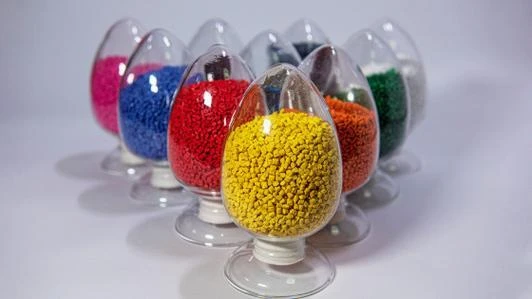
When ultrafine powders are used as fillers in plastics, the interface zone is what bonds the resin matrix and the filler together. The interface also divides the composite into many micro‑domains, which stop crack propagation, interrupt damage, and relieve stress concentrations. Current theories on interface mechanisms include:
There are six primary theories regarding the interface mechanism:
| Theory | Core Mechanism |
| Chemical Bond Theory | Strong adhesion is formed via chemical reactions between the filler surface, coupling agents, and the polymer matrix. |
| Interfacial Wetting | Focuses on mechanical anchoring and physical adsorption (Van der Waals forces). Good wetting prevents stress concentration. |
| Stress Relaxation | Suggests a “self-healing” bond where treatment agents slide and re-bond under stress to prevent material failure. |
| Deformable Layer | A plastic layer is formed at the interface to absorb impact energy and stop cracks from expanding. |
| Restraint Layer | The treatment agent creates a modulus gradient between the stiff filler and flexible resin to unify stress distribution. |
| Friction Theory | Adhesion is attributed to the friction coefficient between the matrix and filler; surface treatments increase this coefficient. |
2.1 Chemical Bond Theory
Strong bonding between filler and resin arises from chemical bonds. These can form in several ways: reaction between functional groups on the resin and filler; treatment of filler surface with coupling agents or hyperdispersants – where one part of the agent reacts with filler surface groups and the other reacts with resin macromolecules; or surfactant molecules that form chemical bonds with the filler on one end and strong interactions (or bonds) with the resin on the other. This theory explains the role of surface treatment agents and guides their selection and synthesis for inorganic‑filled modified polymers.
2.2 Wetting Theory
Bonding between filler and resin results from mechanical adhesion and wetting adsorption. Mechanical adhesion is a mechanical interlocking phenomenon – resin macromolecules penetrate surface depressions and pores. Wetting adsorption is physical adsorption via van der Waals forces. Both often coexist. Good wetting of the filler by the resin is critical; poor wetting leads to debonding under stress, creating stress concentrations and premature failure. Complete wetting yields adhesion that exceeds the resin’s cohesive energy, producing effective composites.
2.3 Reduced Local Stress Theory
Treating agents between resin and filler provide “self‑healing” chemical bonds. Under external forces, these bonds are in dynamic equilibrium – breaking and reforming. When low‑molecular‑weight substances (e.g., water) attack the composite, chemical bonds at the interface break; under stress, the agent can slip to new positions and reform bonds, maintaining adhesive strength. This process relaxes stress and reduces micro‑stress concentrations, slowing composite damage.
2.4 Deformation Layer Theory
Surface treatment agents form a plastic layer between filler and resin. Under load, this layer deforms, relaxes interfacial stress, and prevents crack propagation, protecting the composite from failure.
2.5 Inhibiting Layer (Interphase) Theory
Surface treatment agents constitute part of the interphase, with an elastic modulus between that of the high‑modulus filler and low‑modulus resin. This gradient uniformly transmits stress, reducing interfacial stress concentrations.
2.6 Friction Theory
Adhesion at the resin‑filler interface results from friction. The friction coefficient determines composite strength. Surface treatment increases the friction coefficient between resin and filler, thereby enhancing composite strength.
For Manufacturers
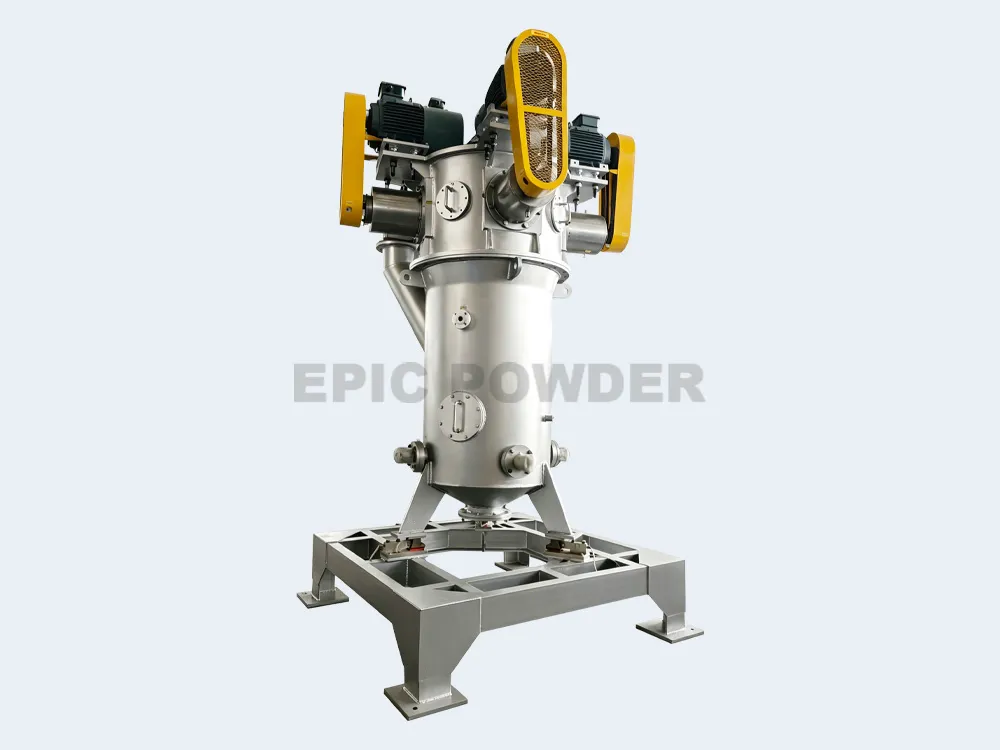
For companies utilizing jet milling technology, understanding these surface mechanisms is vital. Achieving the correct particle size is only half the battle. The success of the final composite depends on how that powder is modified to interact with its environment. Ultrafine powders exhibit unique surface properties and structures that enable diverse applications – from plastics and catalysts to coatings, functional materials, daily chemicals, and biomedicine. Understanding their surface modification mechanisms (chemical bonding, wetting, stress relaxation, deformation/interphase layers, and friction) allows engineers to design high‑performance composites and functional materials. As ultrafine powder technology continues to advance, it will be applied in even broader industrial applications.
EPIC Powder
Epic Powder, 20+ years of experience in the ultrafine powder industry. Our team has more than 20 years experience in various powders processing. We actively promote the future development of ultra-fine powder, focusing on crushing, grinding, classifying and modification process of ultra-fine powder. Contact us today for a free consultation and customized solutions!

“Thanks for reading. I hope my article helps. Please leave a comment down below. You may also contact EPIC Powder online customer representative Zelda for any further inquiries.”
— Jason Wang, Engineer